Preas Choláiste Ollscoile Bhaile Átha Cliath
UCD Humanities Institute, Room H103
Belfield, Dublin 4
t: 00353 (0)1 716 4680 e: ucdpress@ucd.ie
 Twitter: @UCDPress
Privacy Policy
Twitter: @UCDPress

.jpg)
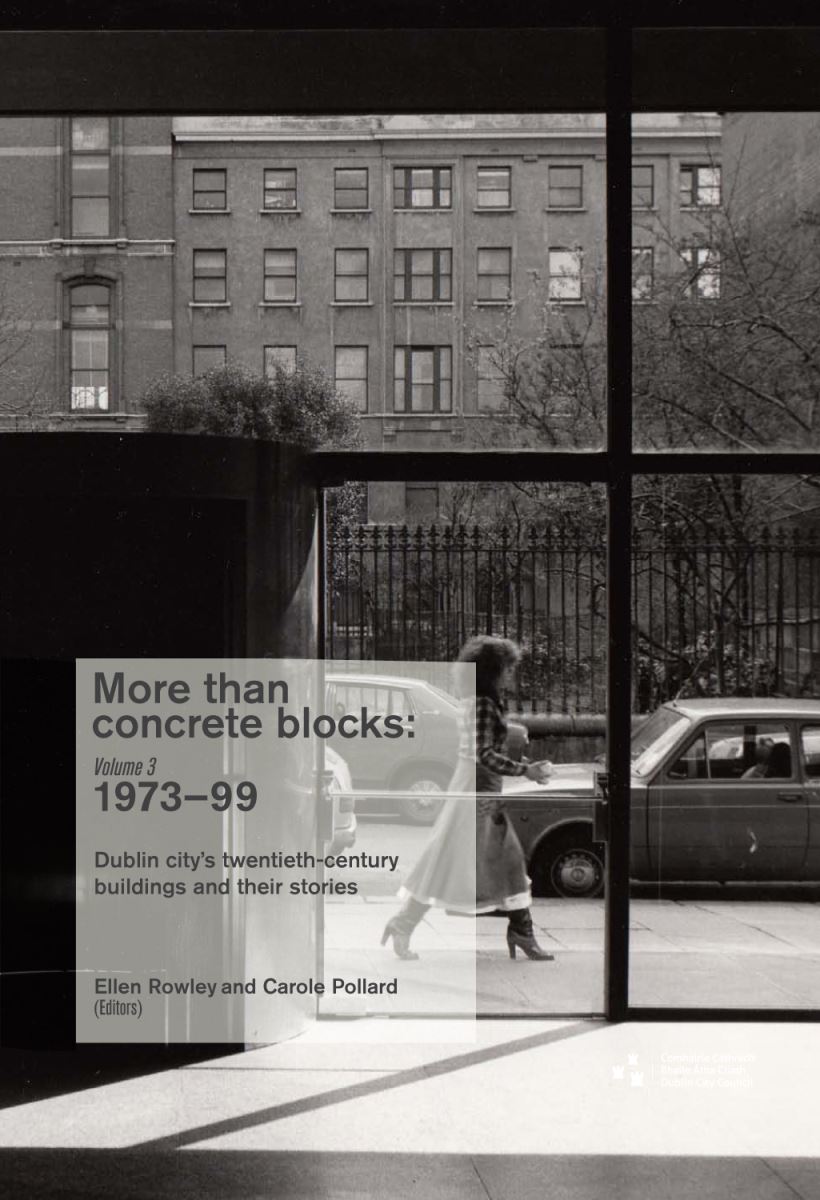
 Blocks Vol 3.
 ow.
ow.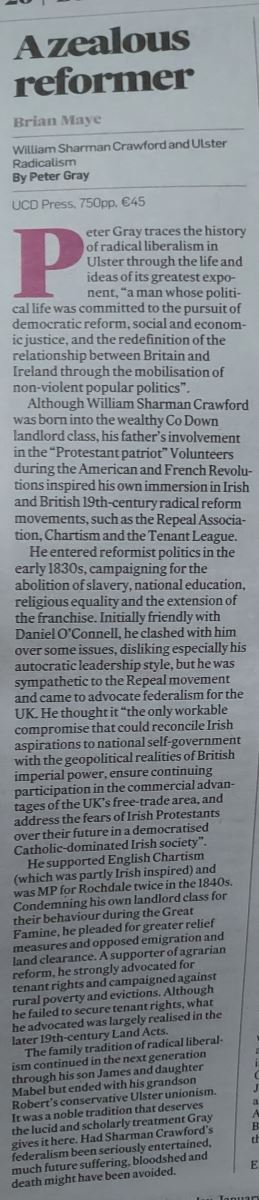
.jpg)
.jpg)
.jpg)



.jpg)
.jpg)
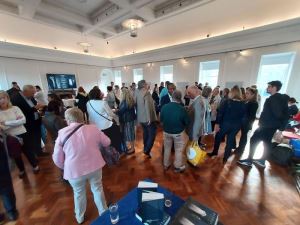
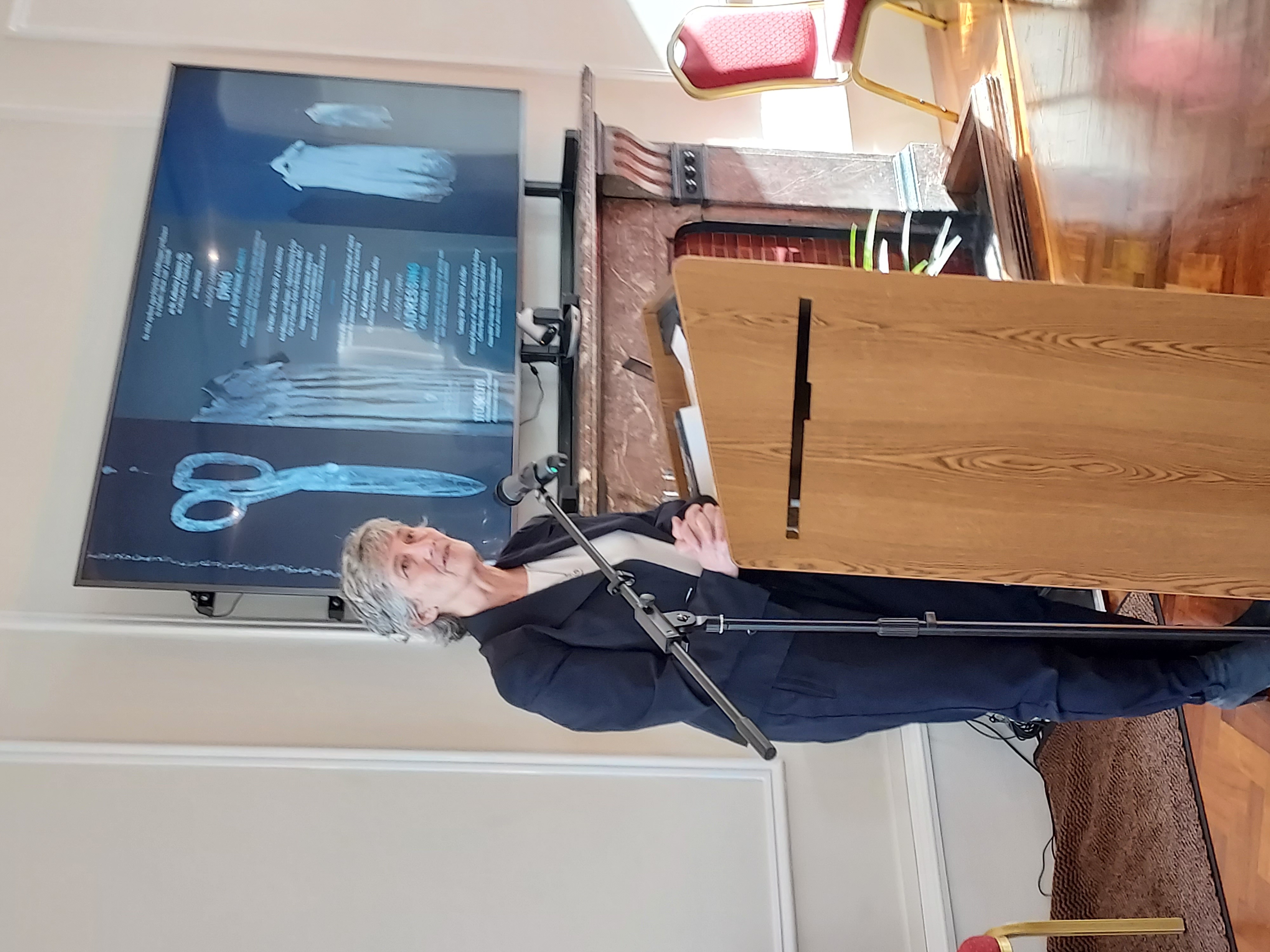
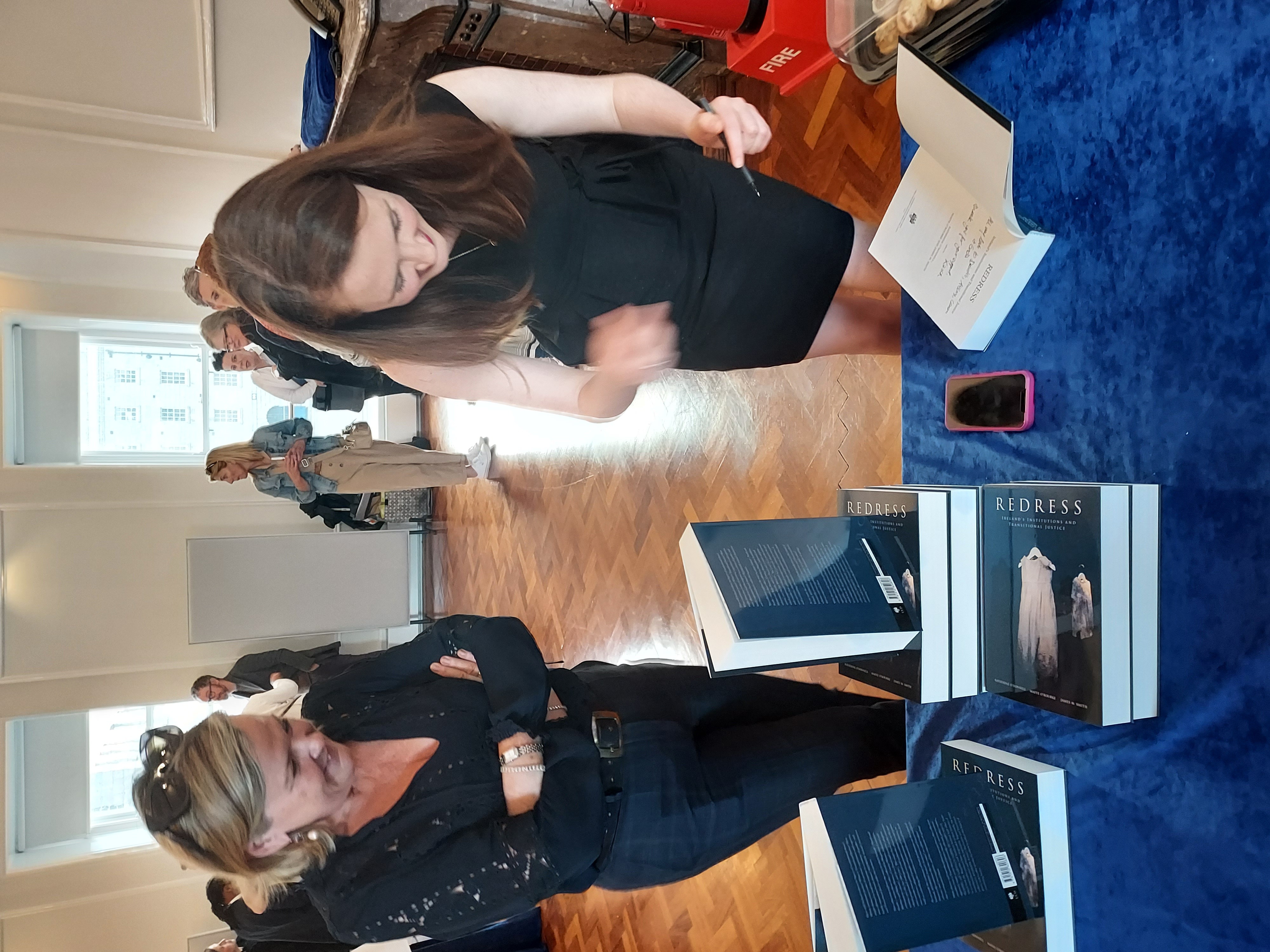
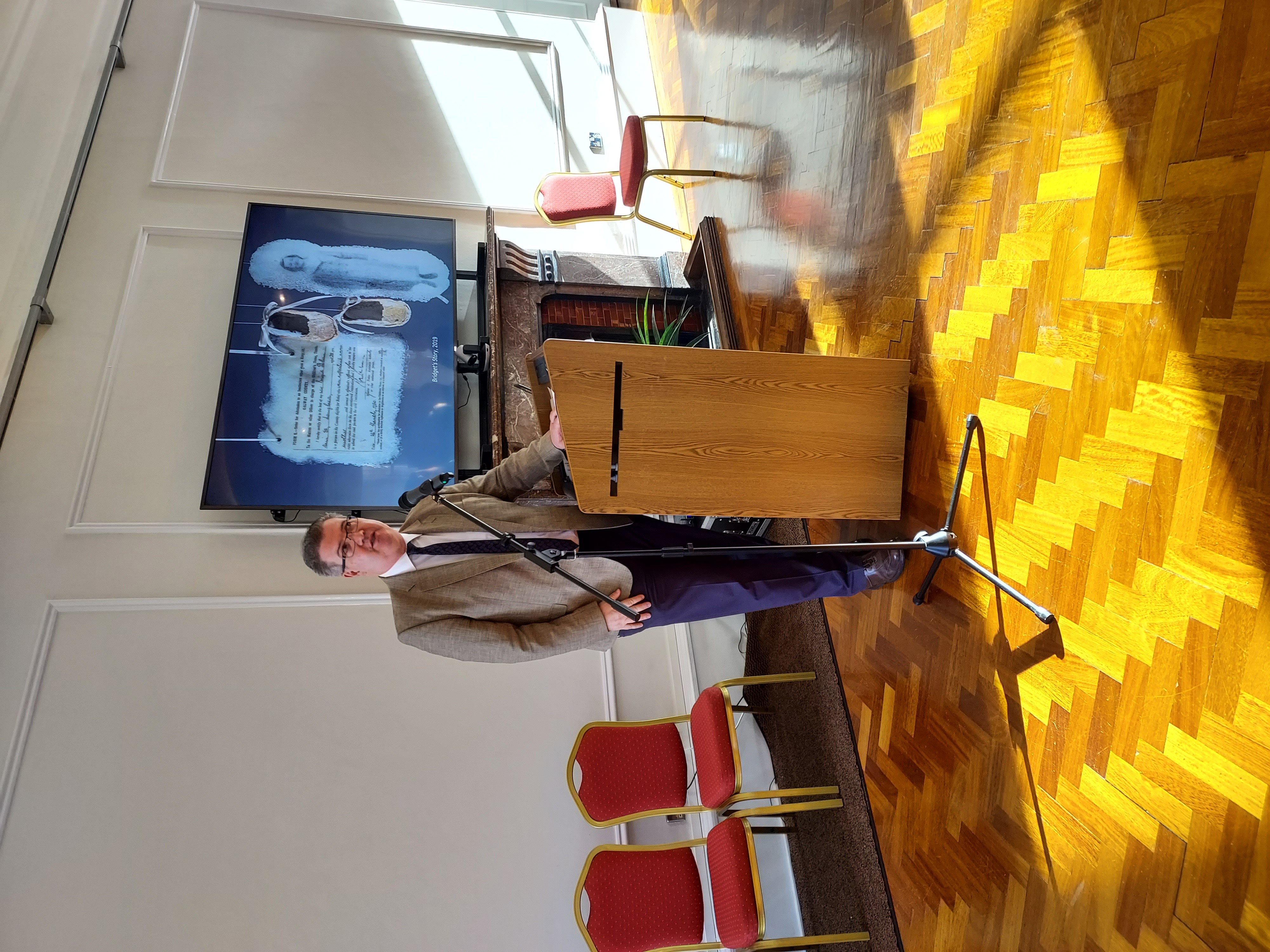
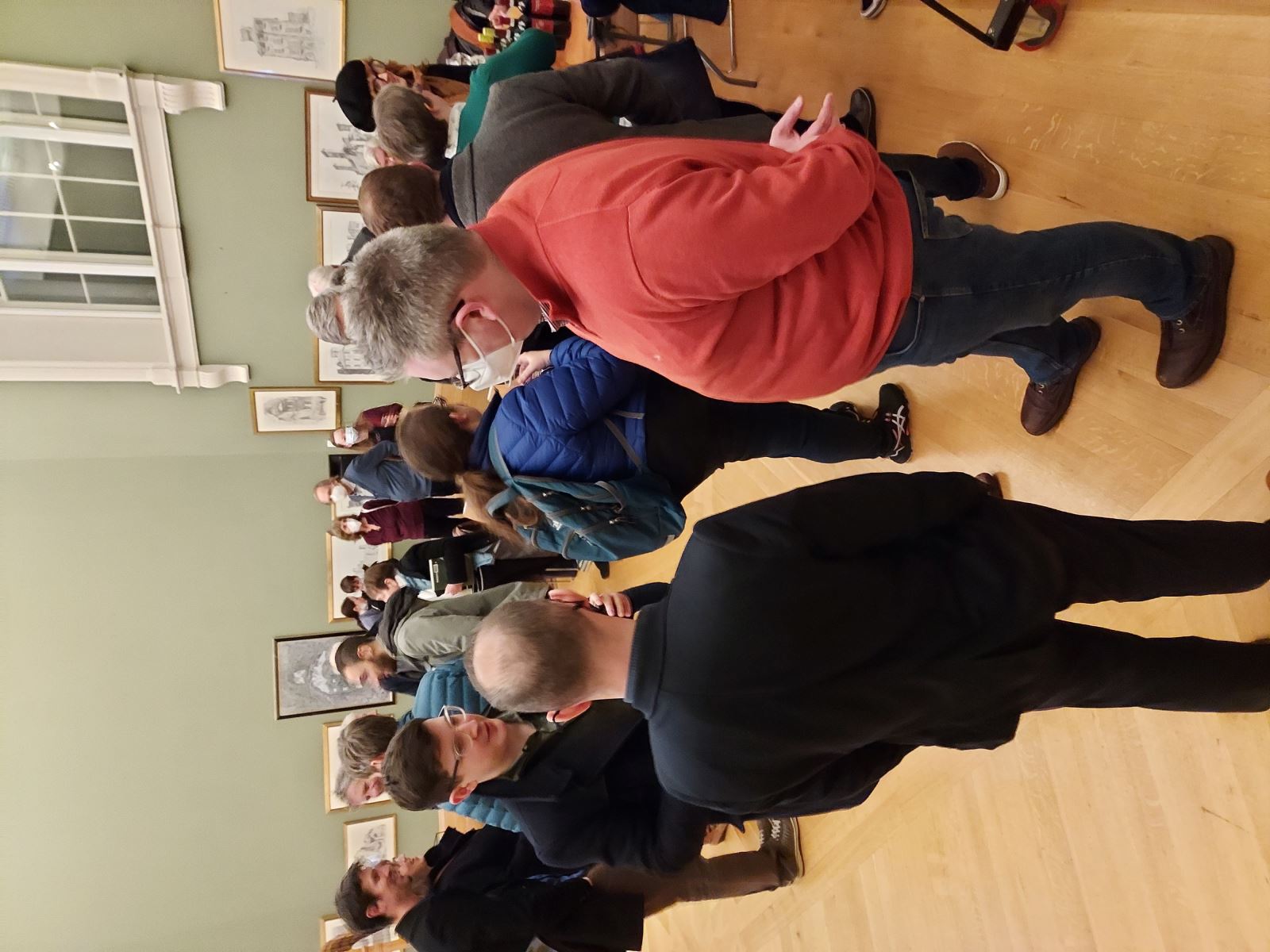
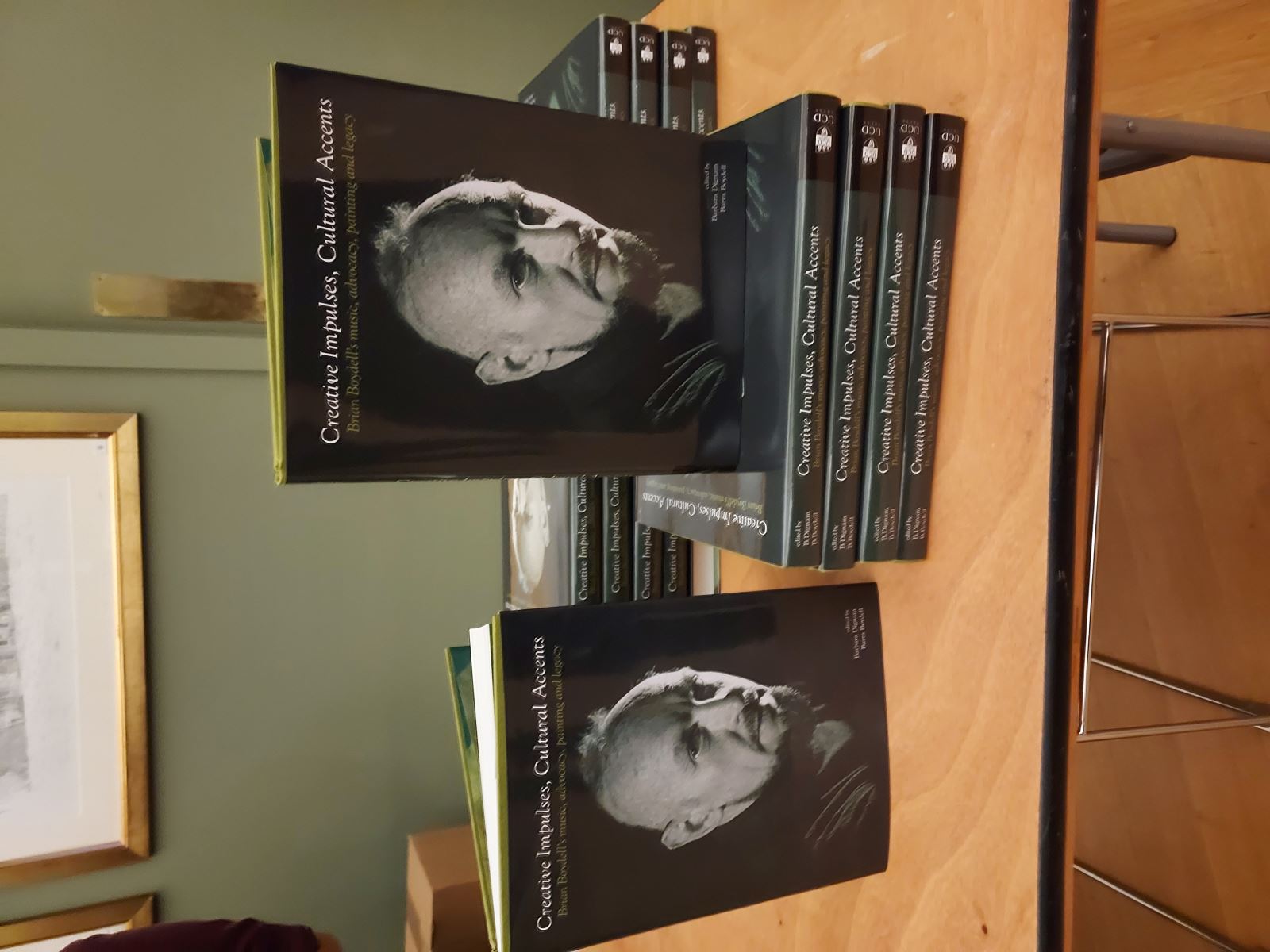
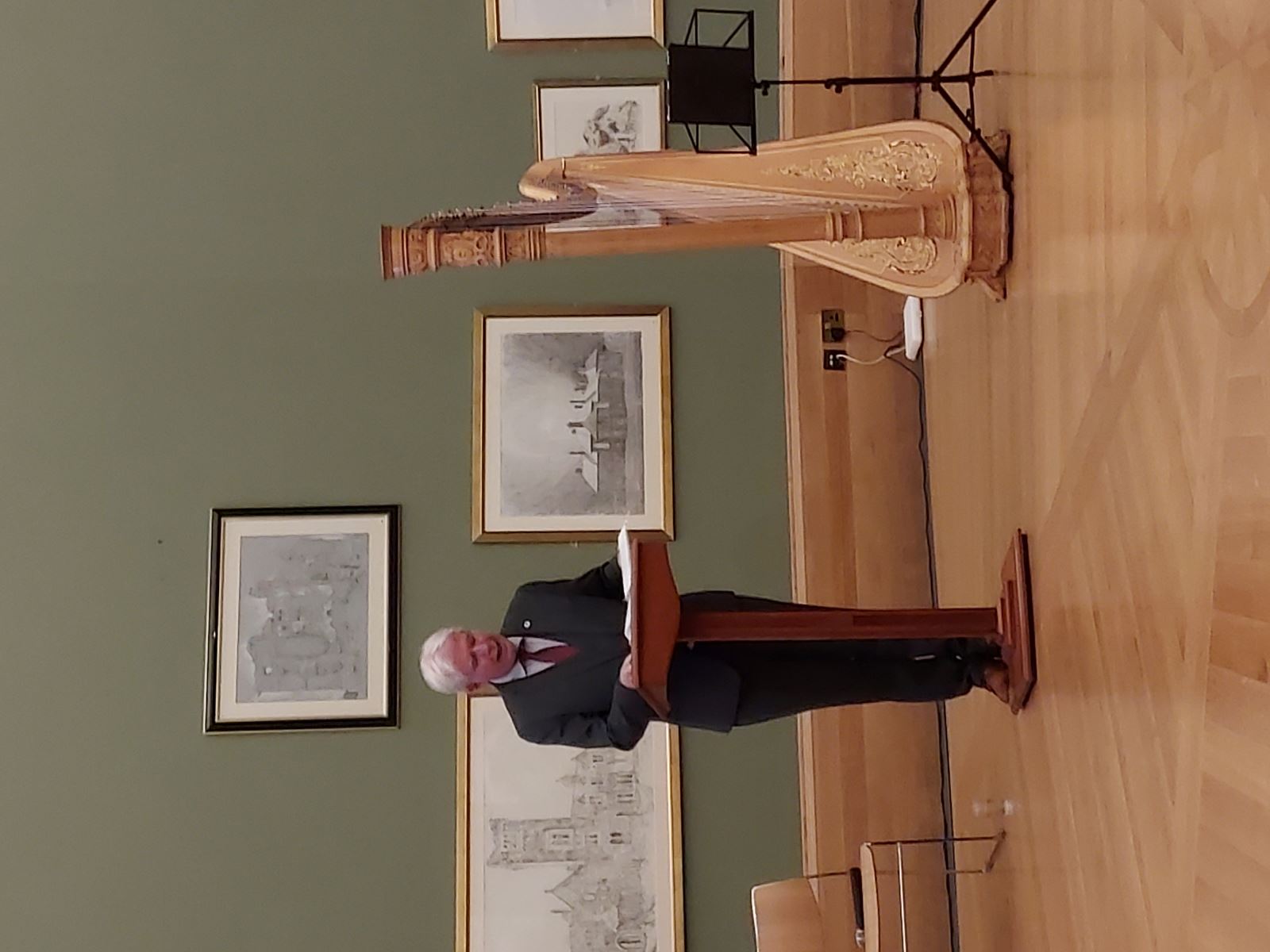
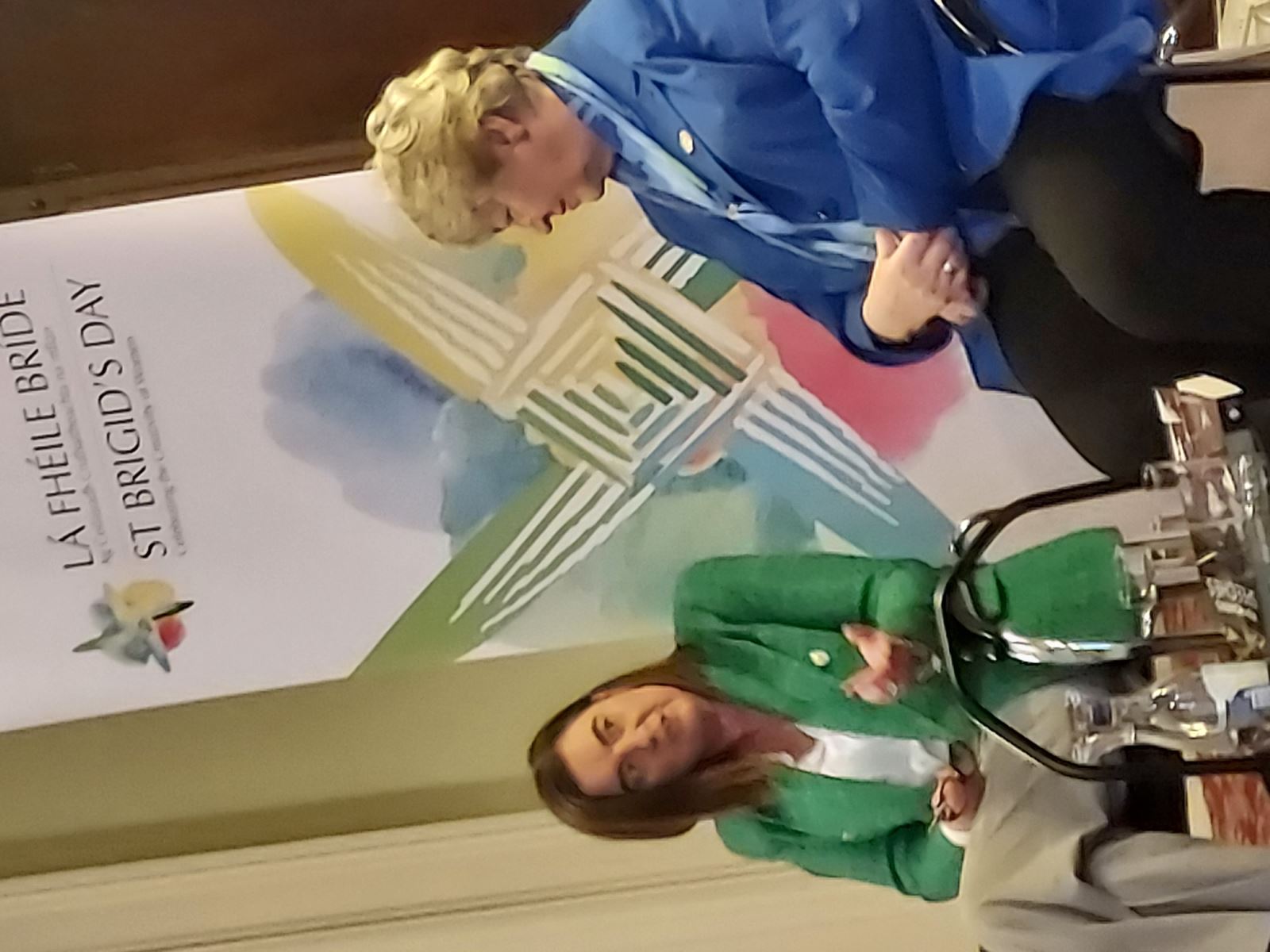
.jpg)
.jpg)
.jpg)
.jpg)
.jpg)
.jpg)
.jpg)
.jpeg)
.jpeg)
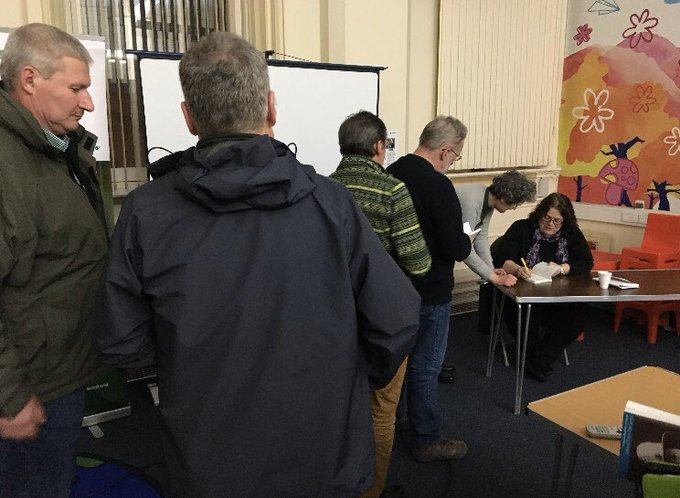
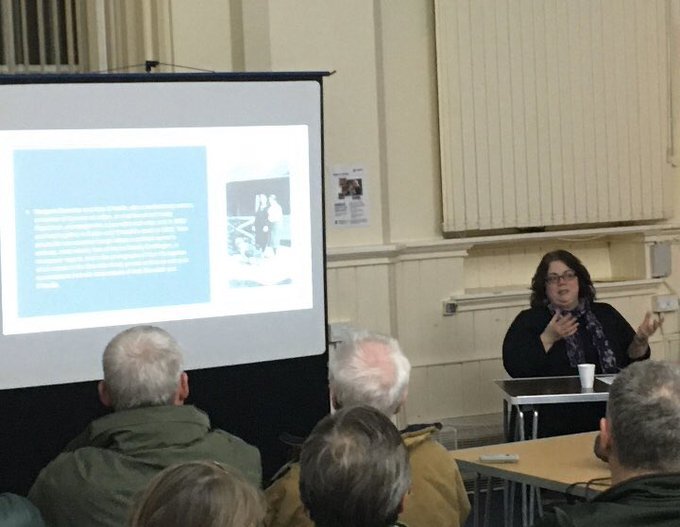
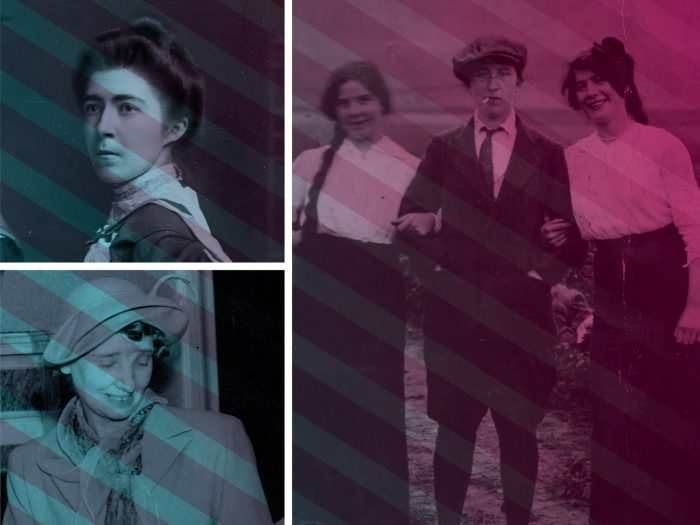
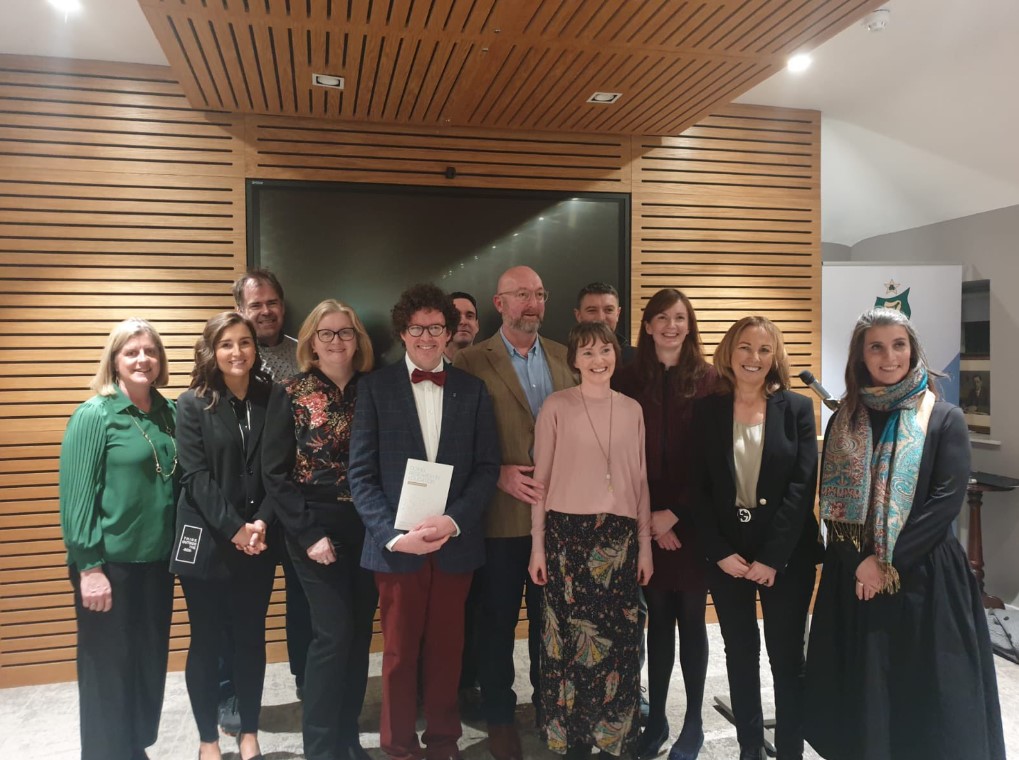
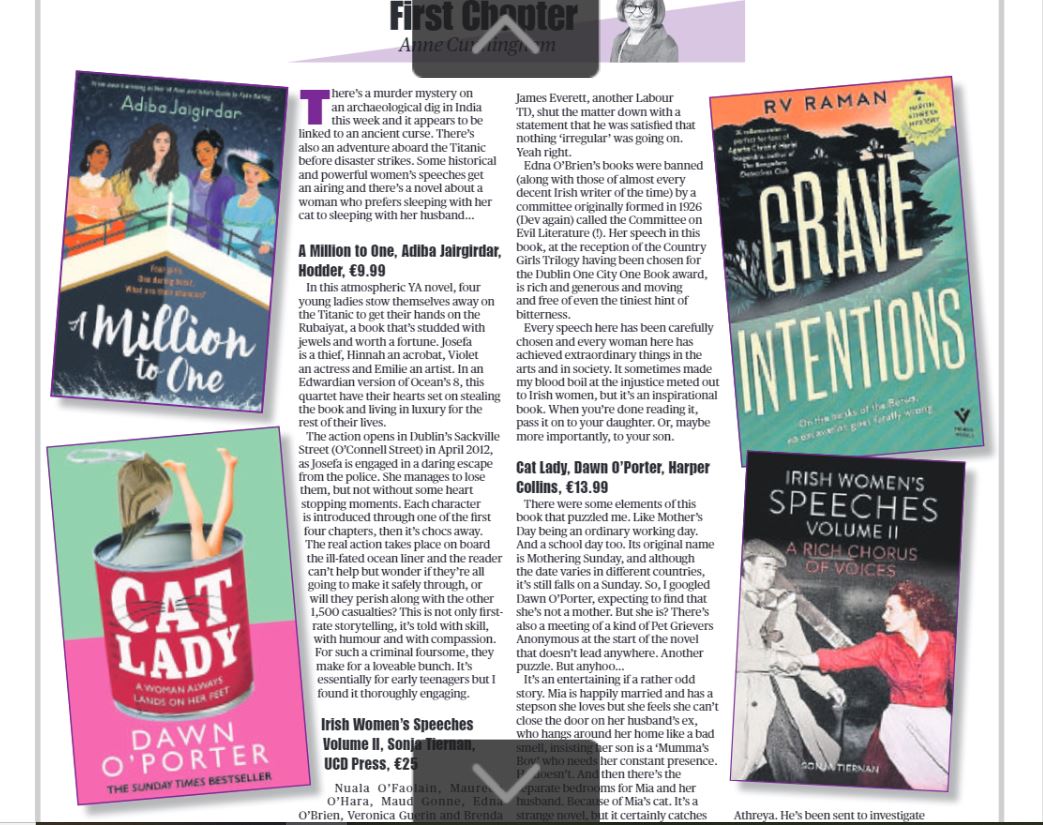
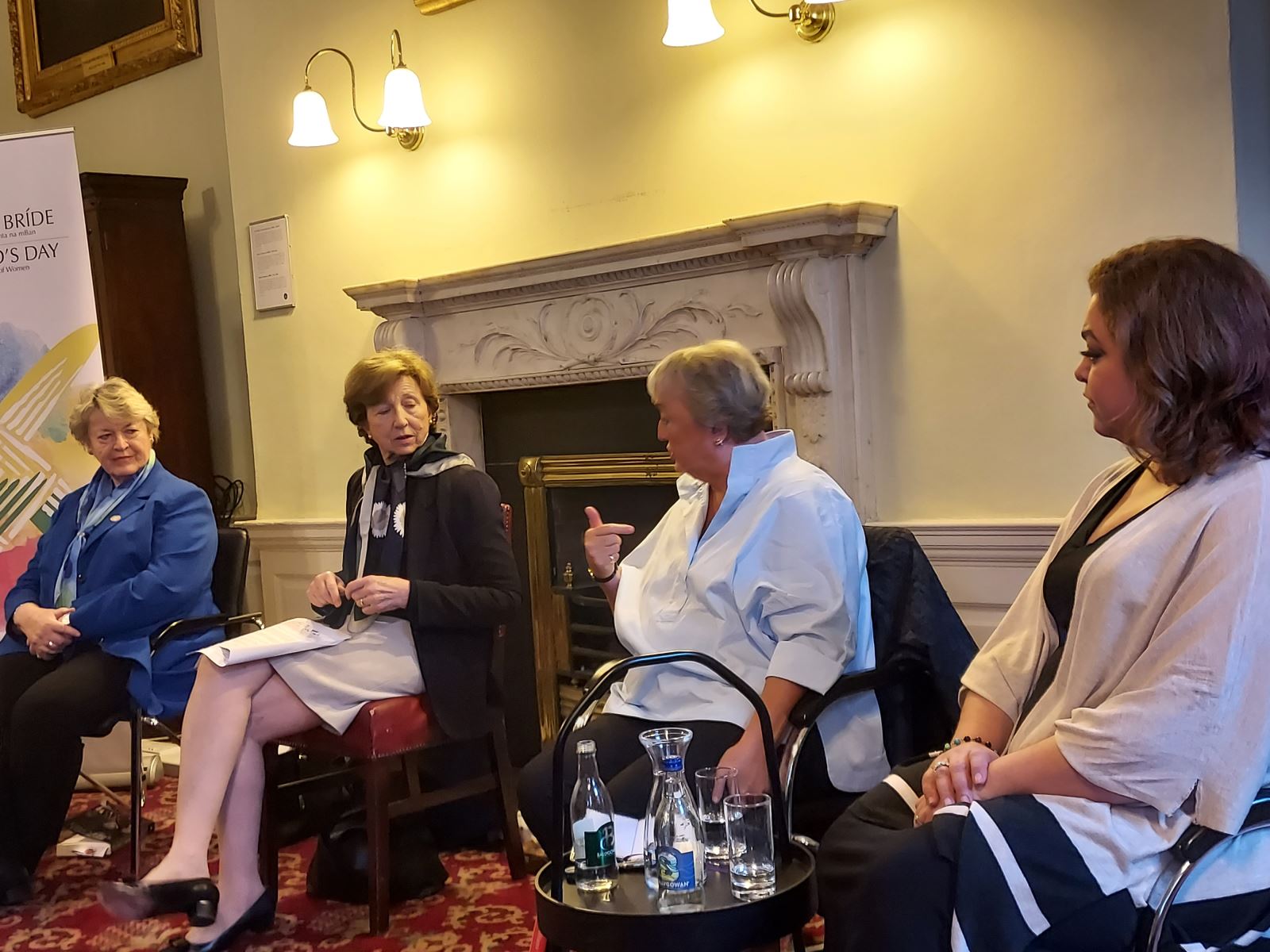
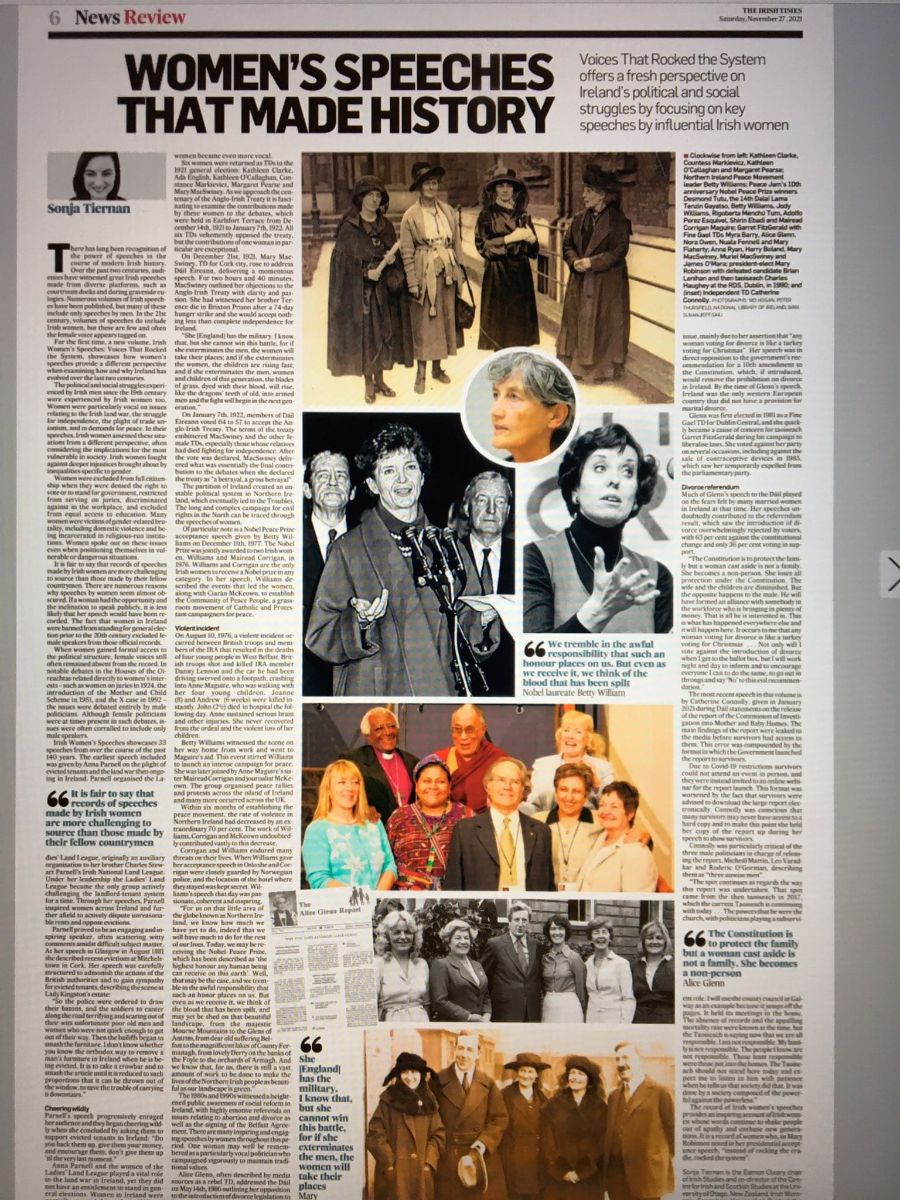
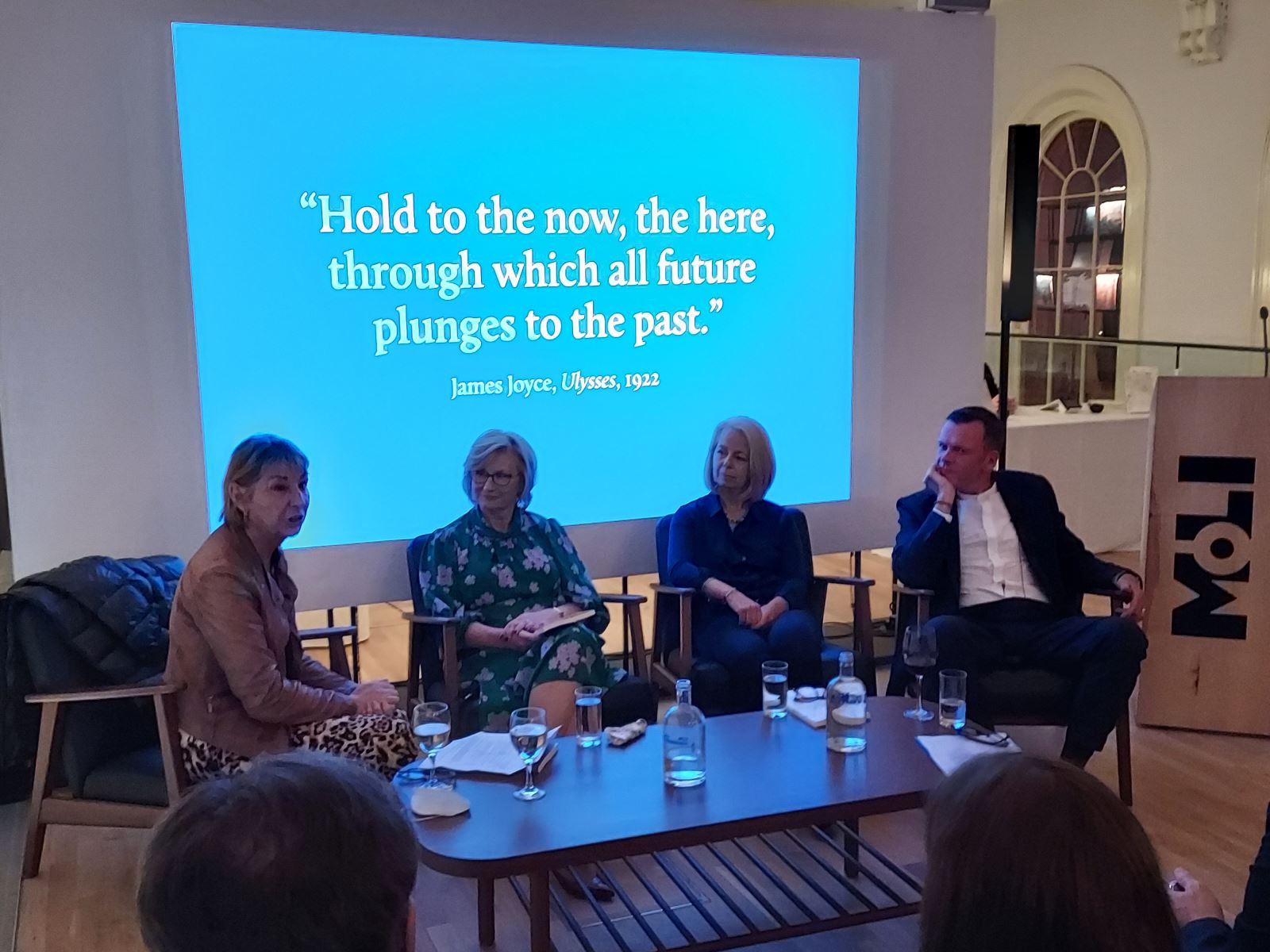
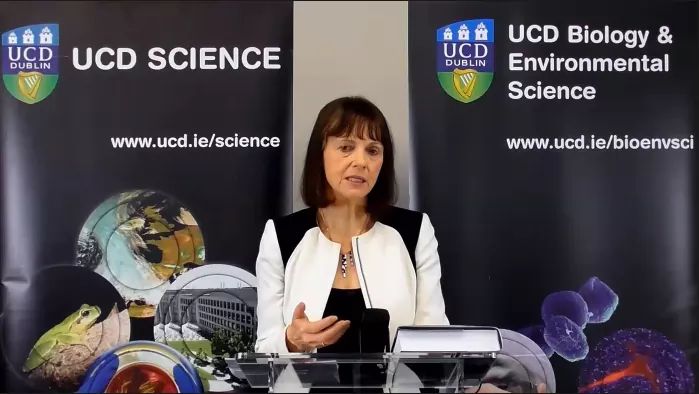
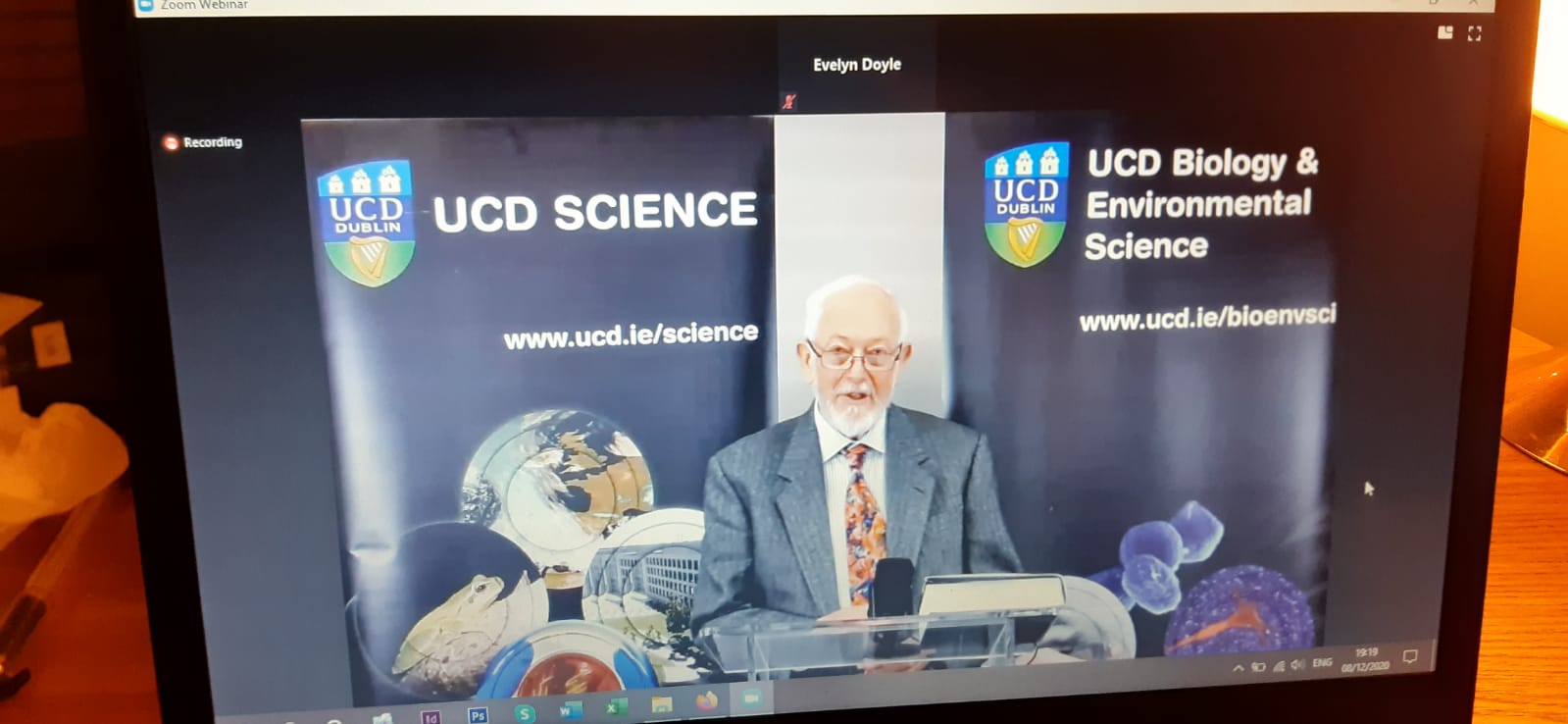
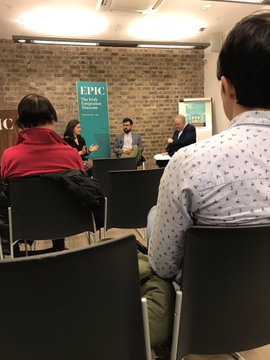
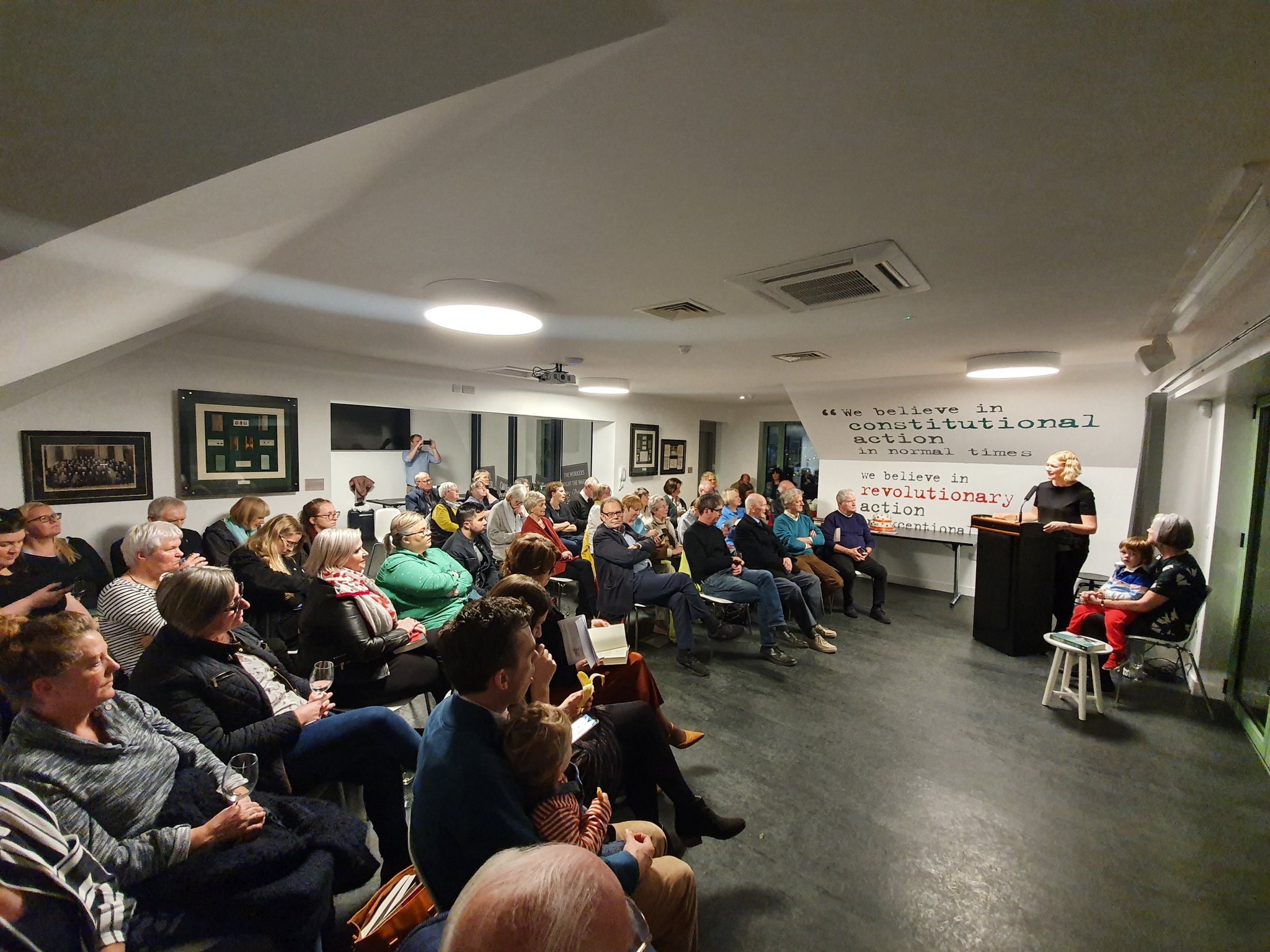
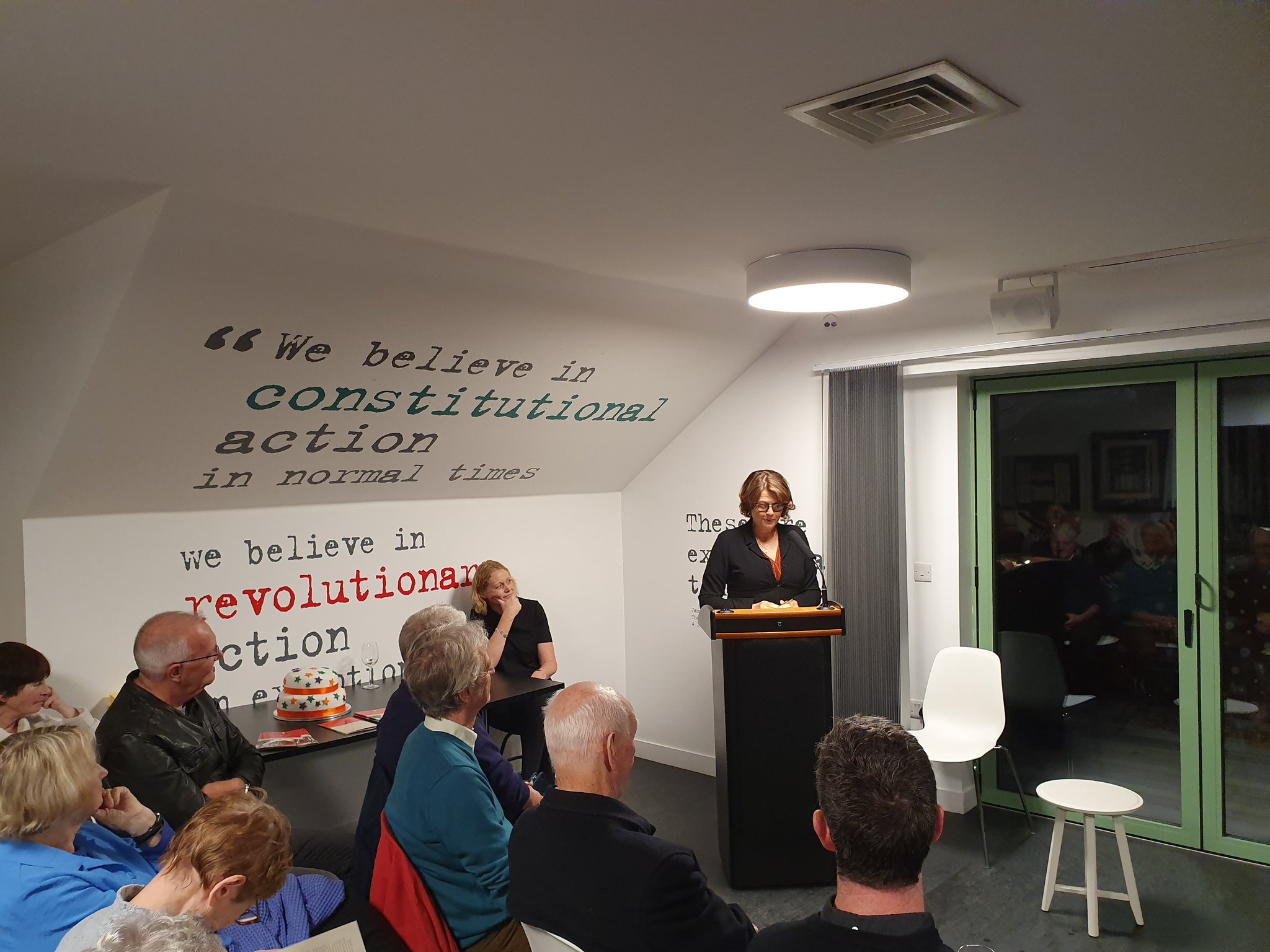
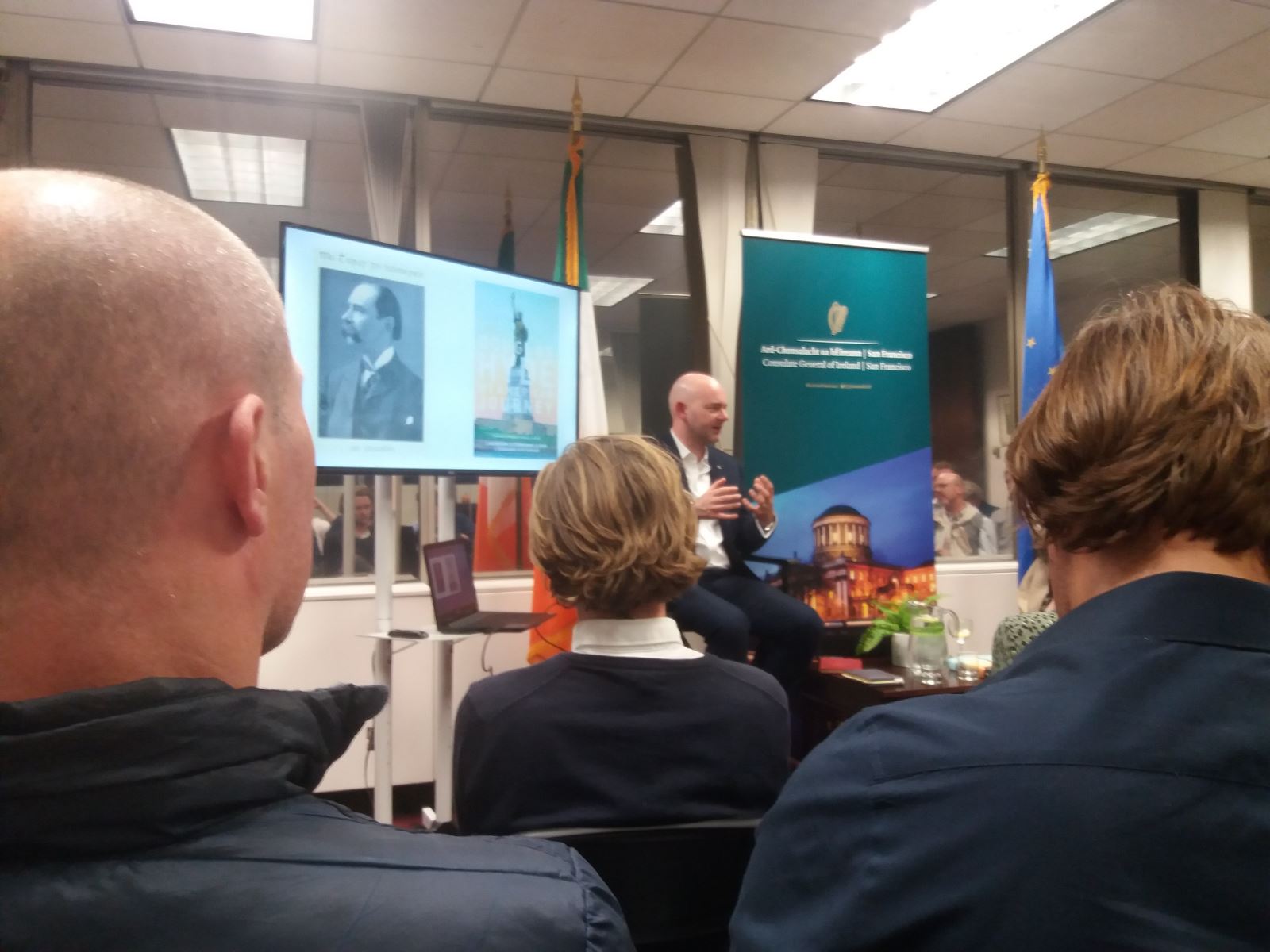
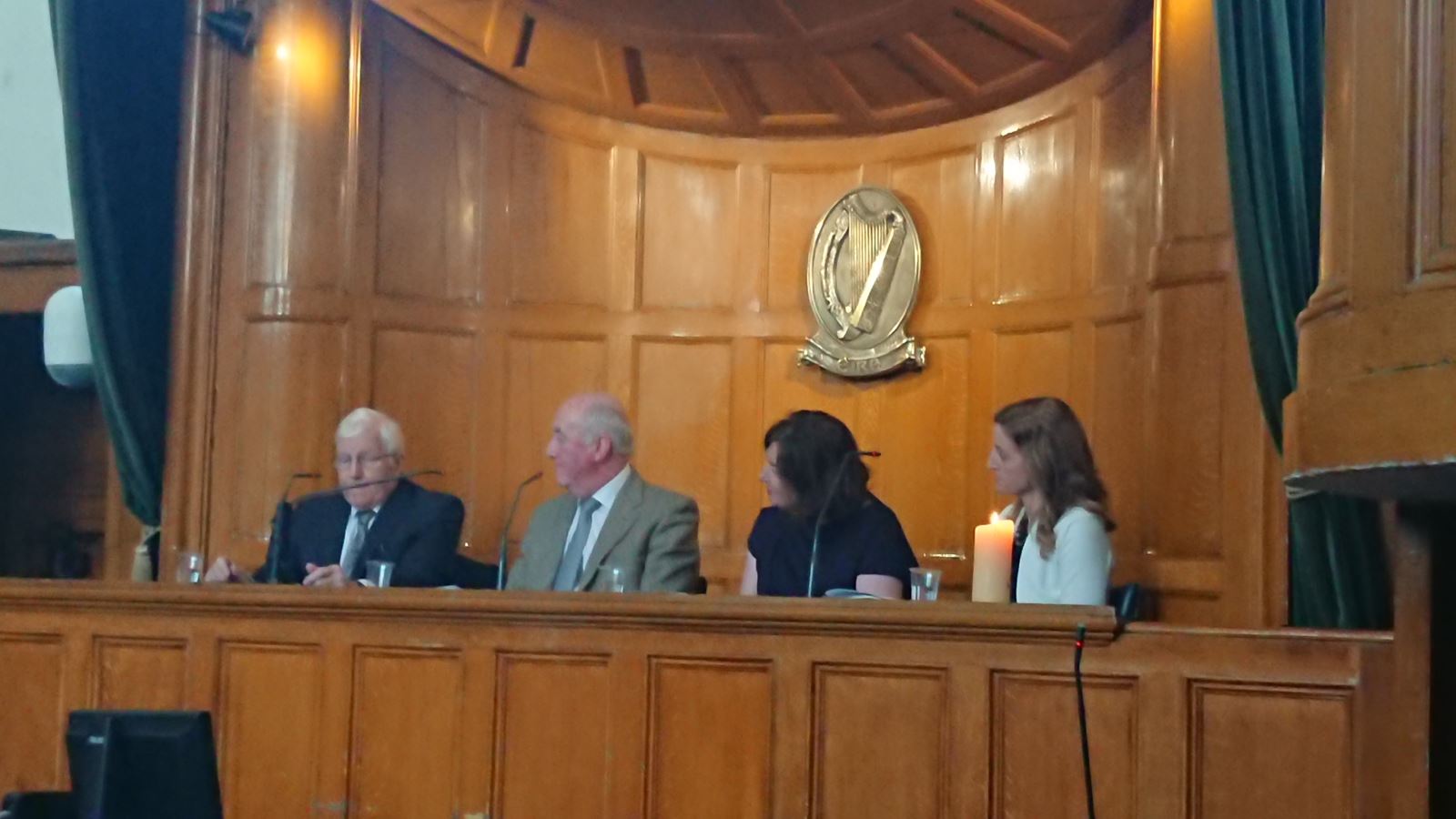
Margaret Skinnider, Hanna Sheehy Skeffington and Dorothy Macardle – a 1916 sniper and trade unionist, a suffragette and republican political activist, a nationalist propagandist and gothic fiction writer.
All teachers, feminists and nationalists. All three knew each other, and all their lives intersected and diverged at times as each navigated Ireland's turbulent history.
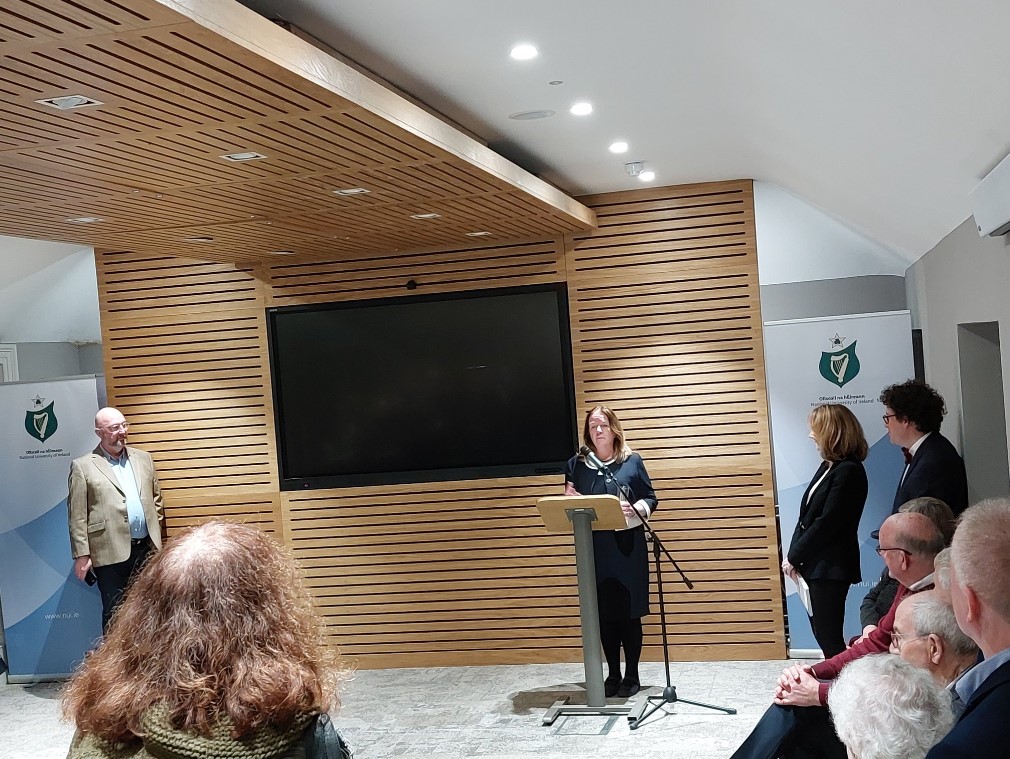
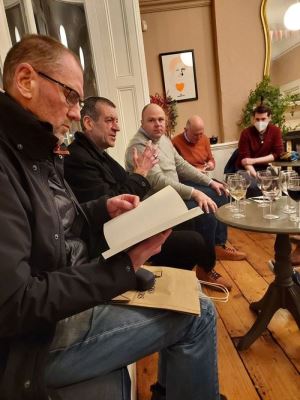
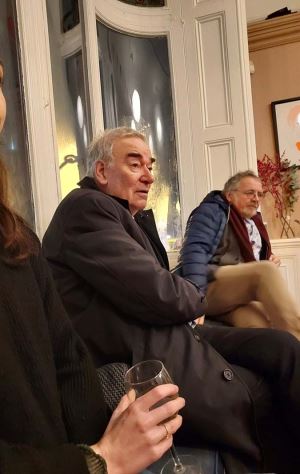
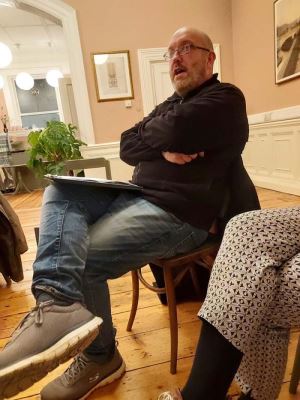
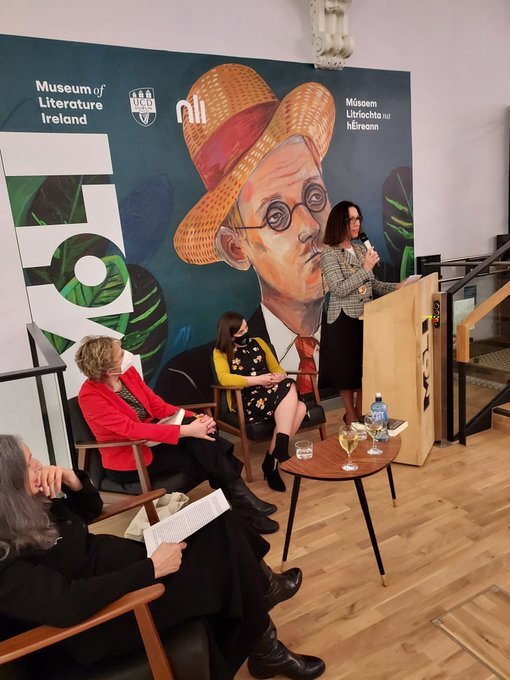
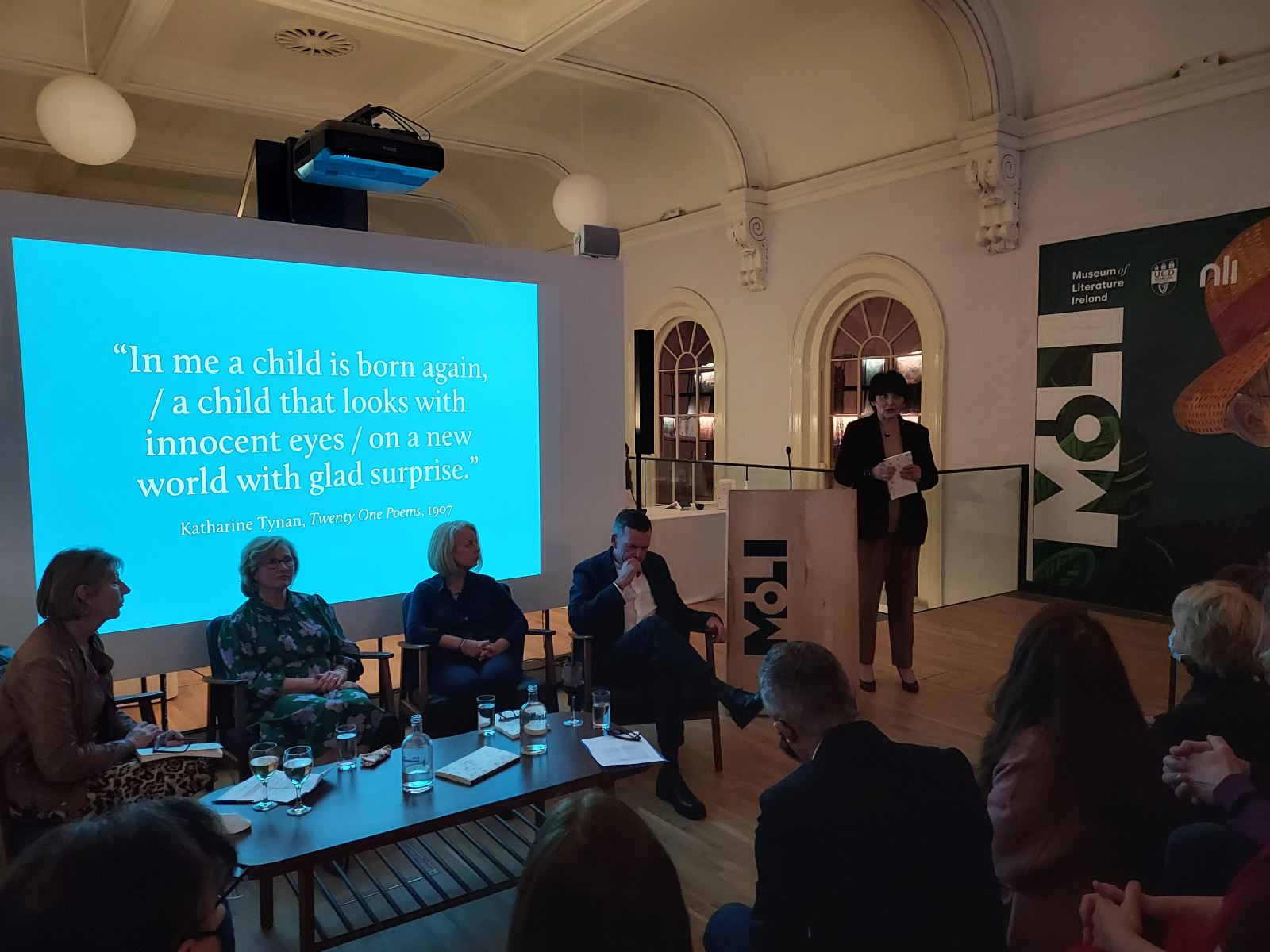
A huge thank you to Dr Mary McAuliffe (UCD), Dr Leeann Lane (DCU) and Dr Margaret Ward (Queen's University Belfast) and host David McCullagh for a fascinating discussion and insightful readings for all these great UCD Press books.
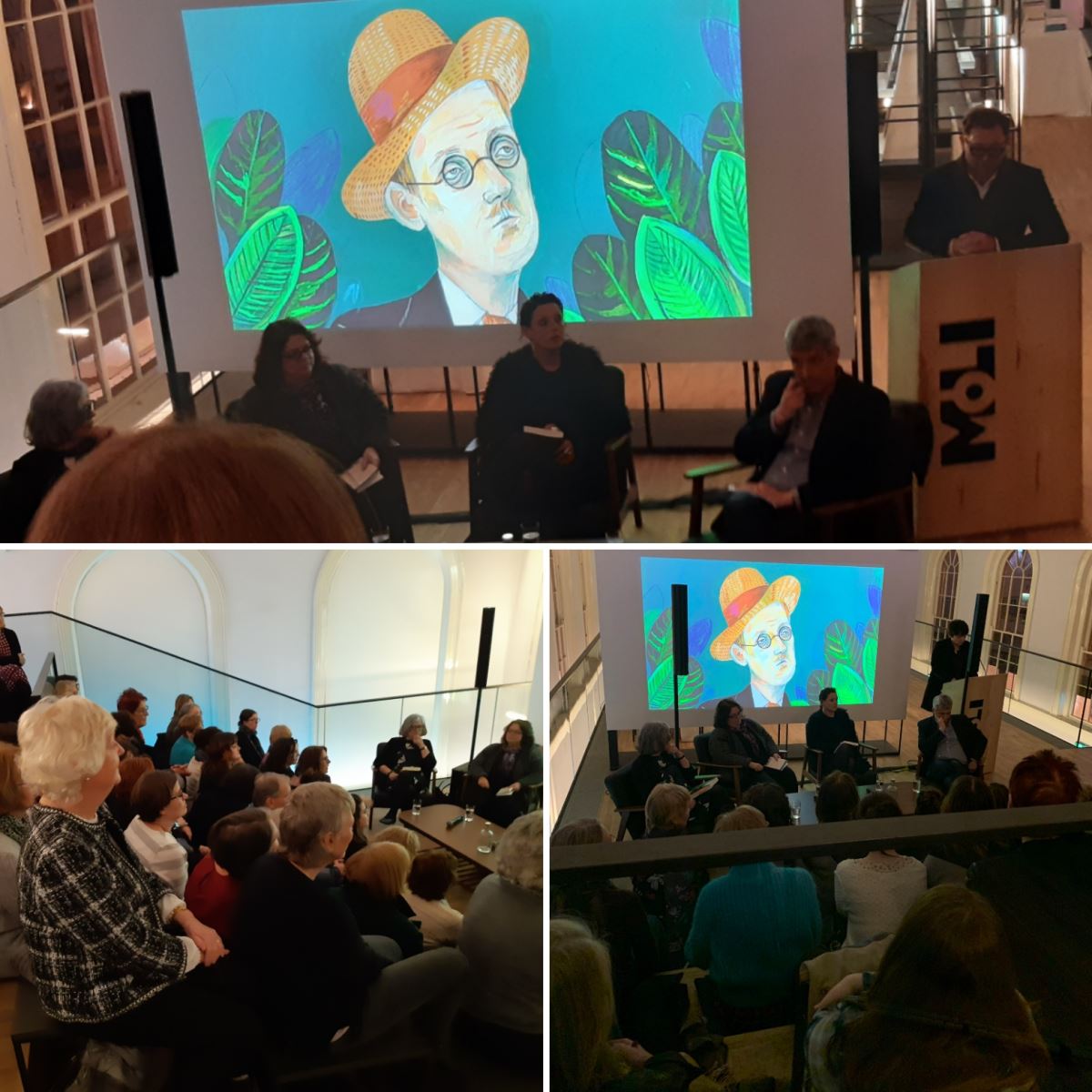
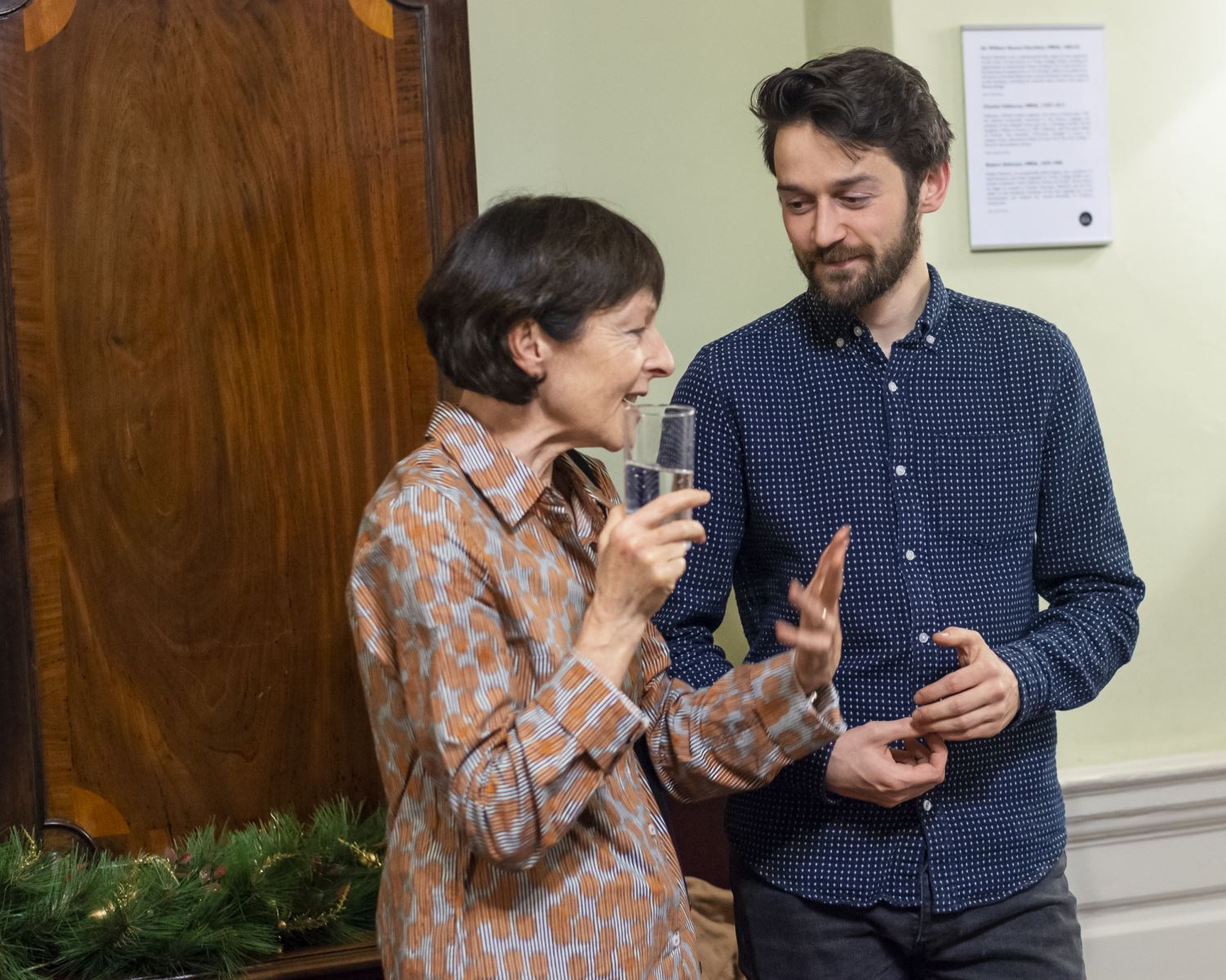
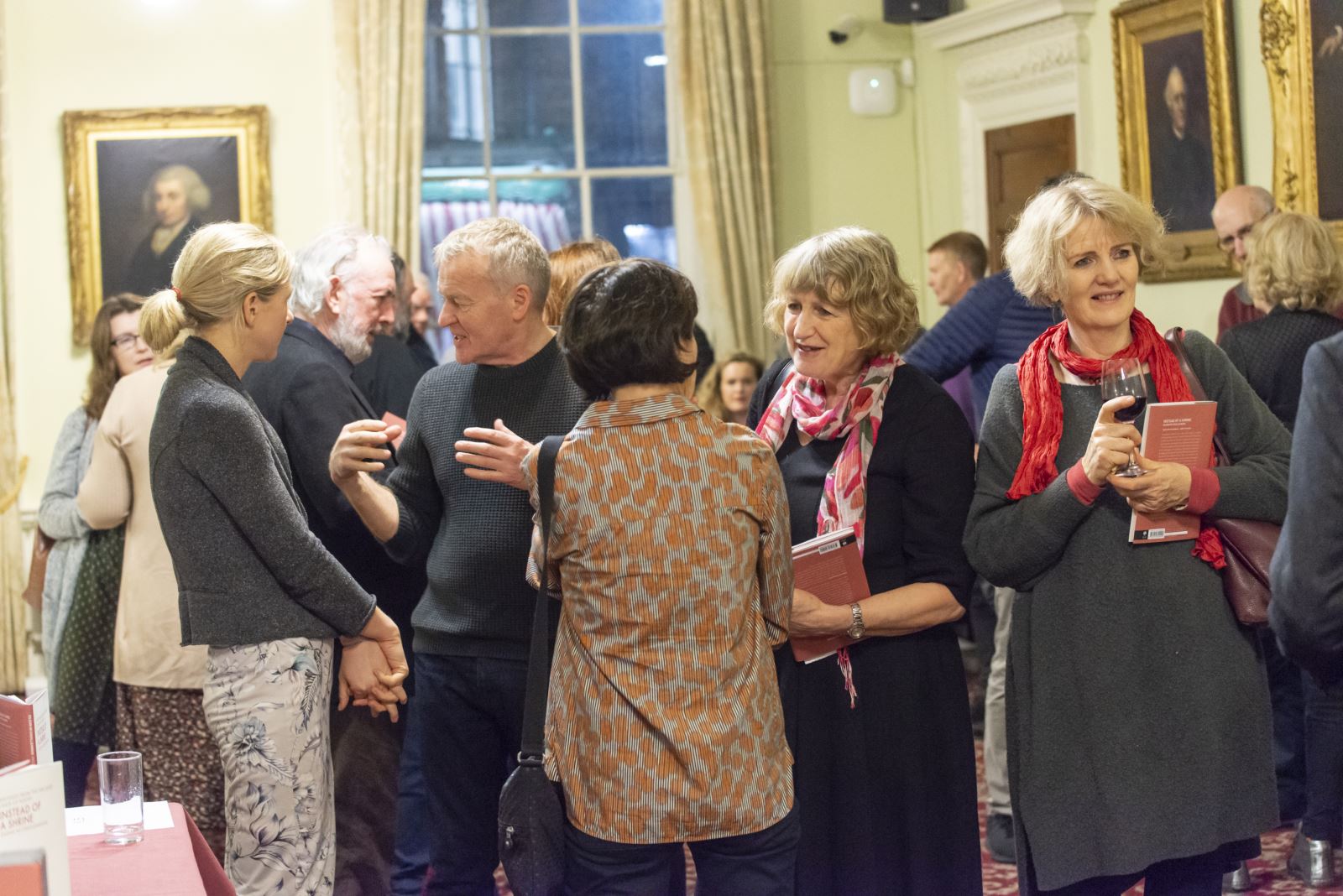
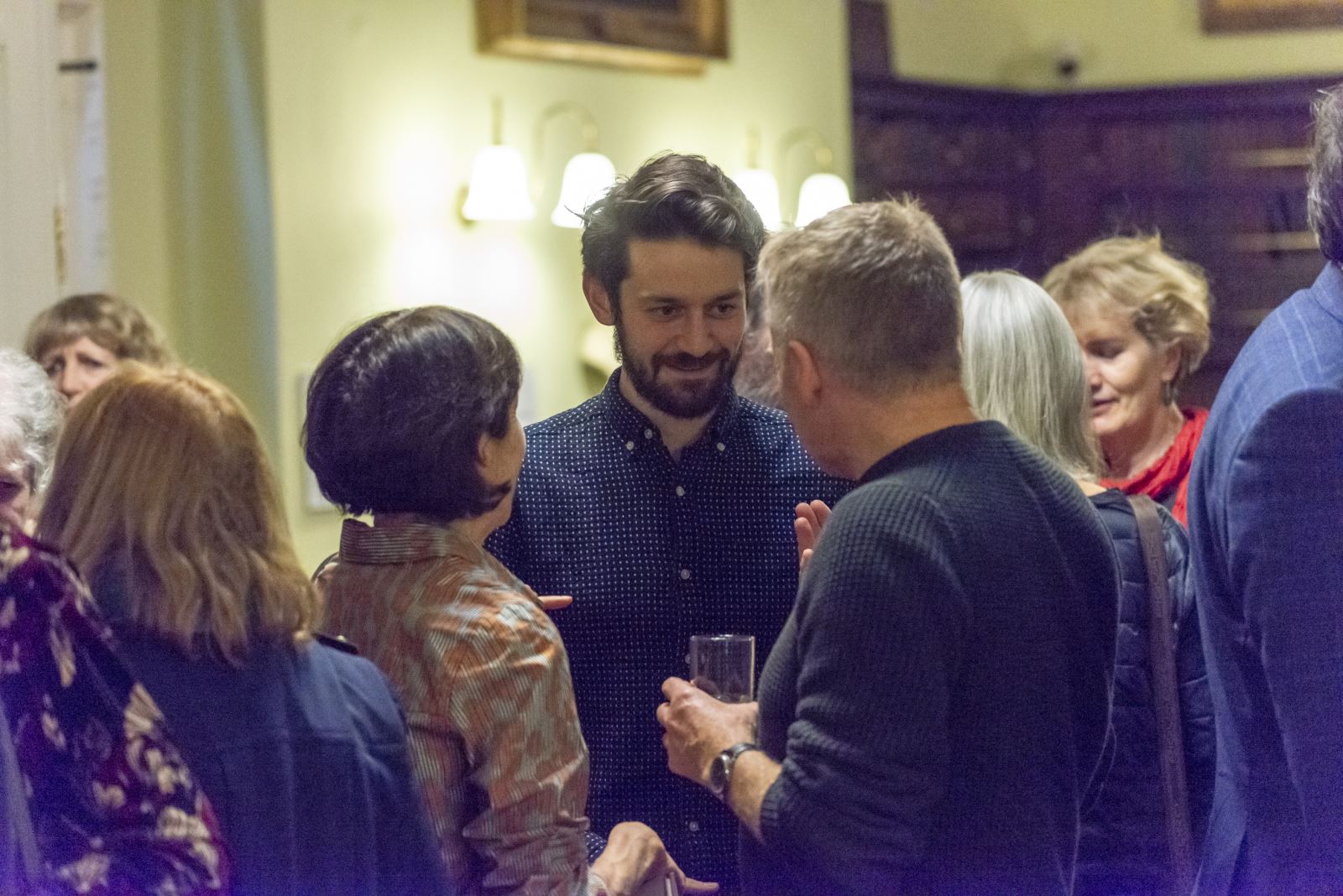
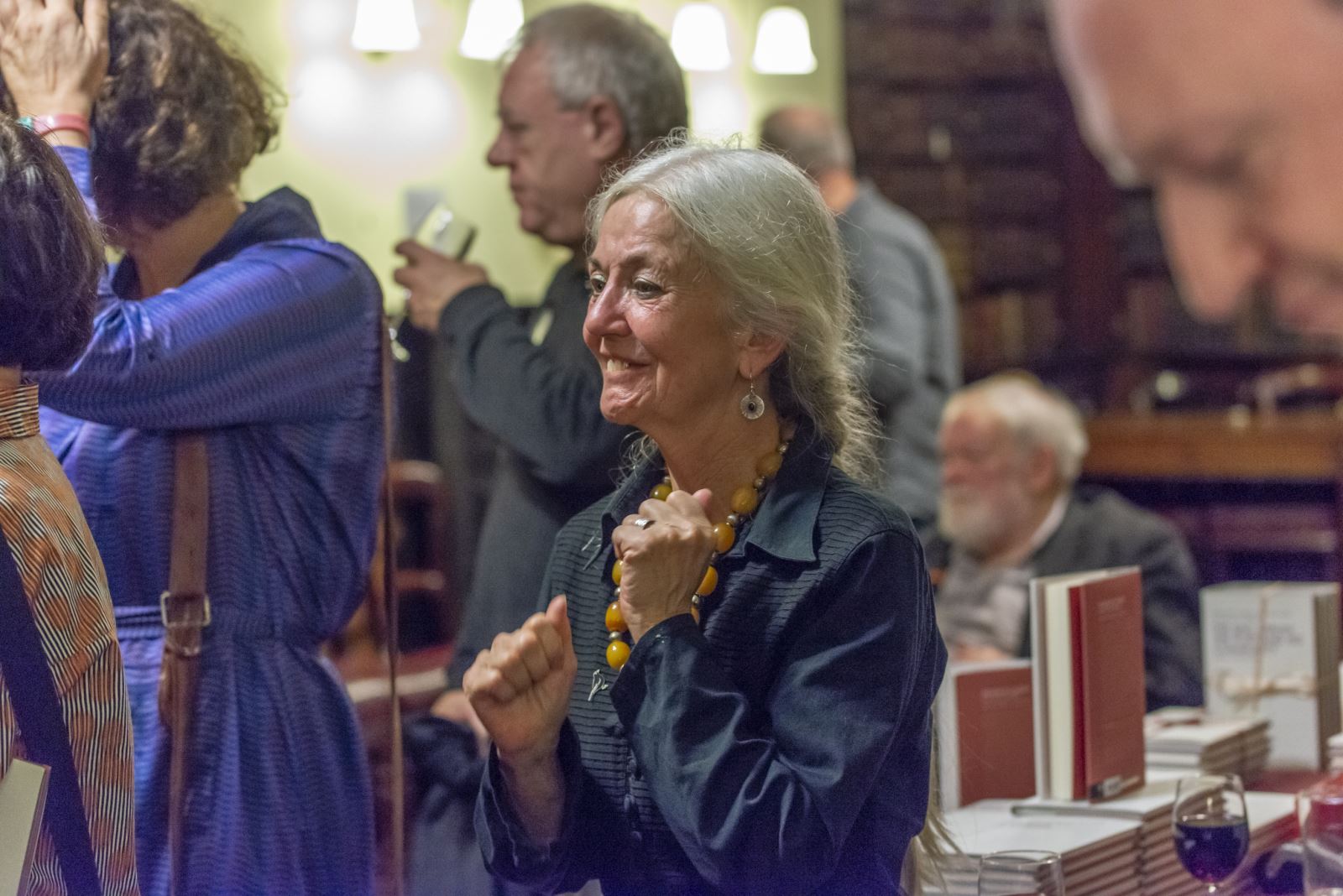
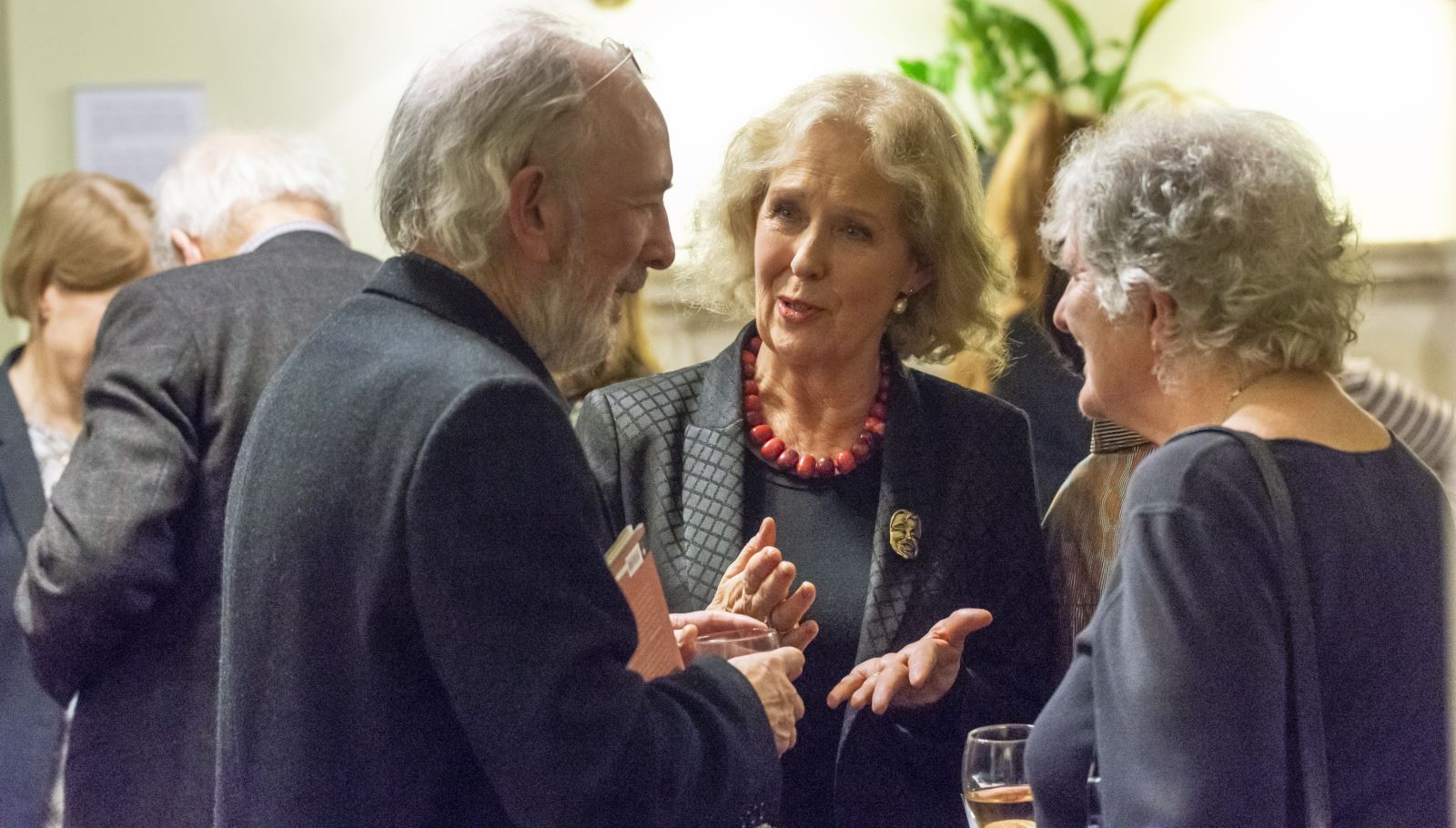
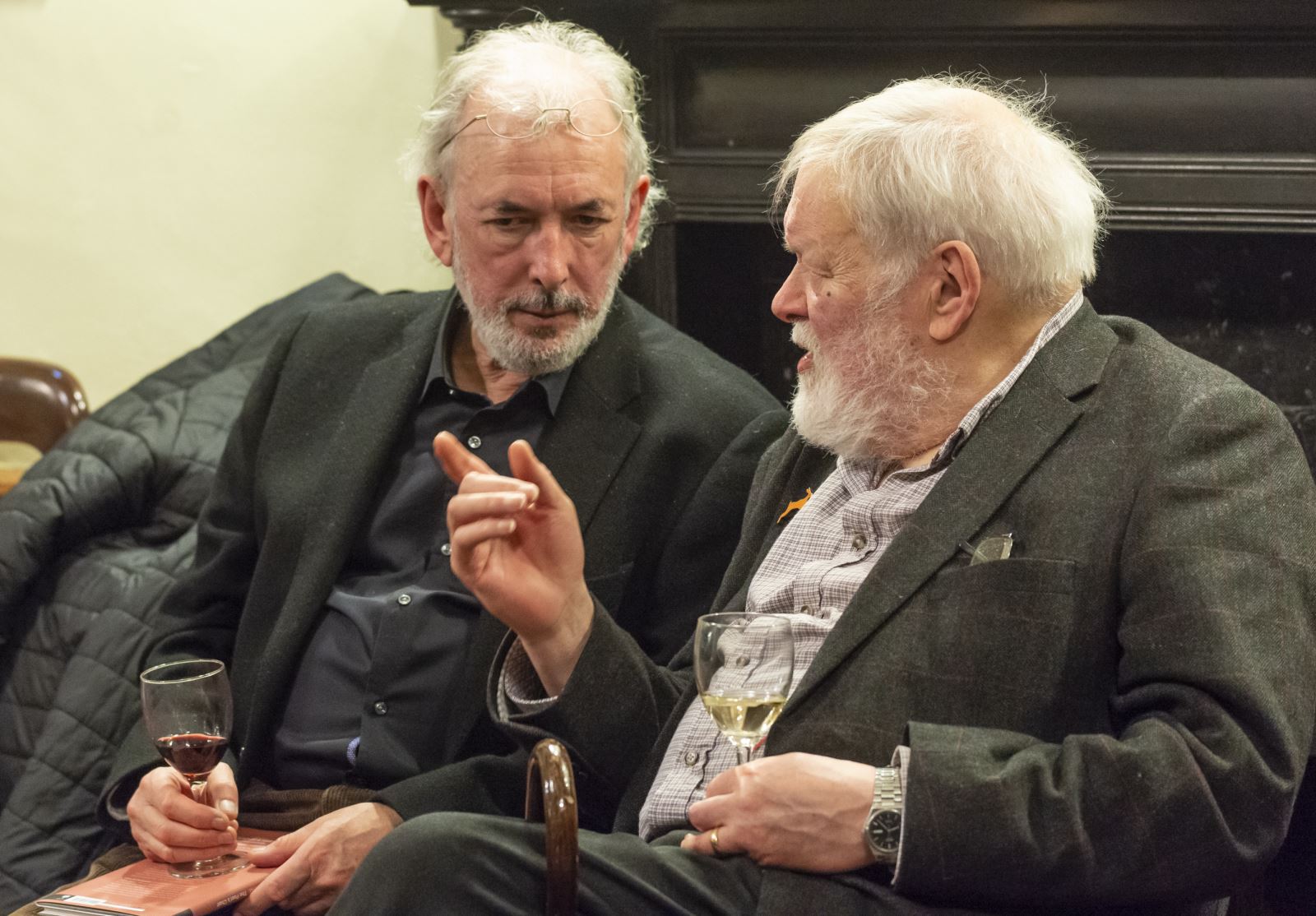
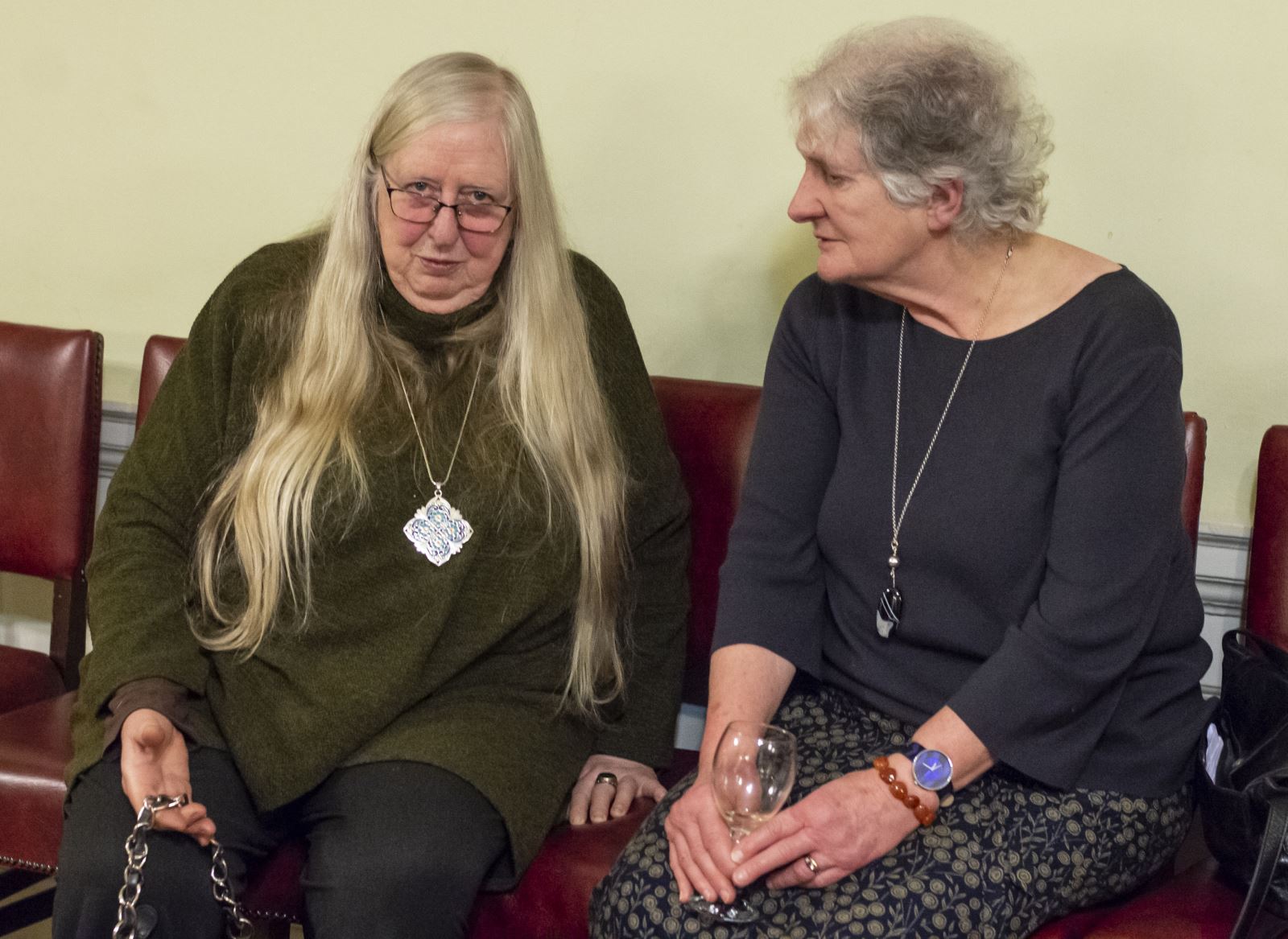
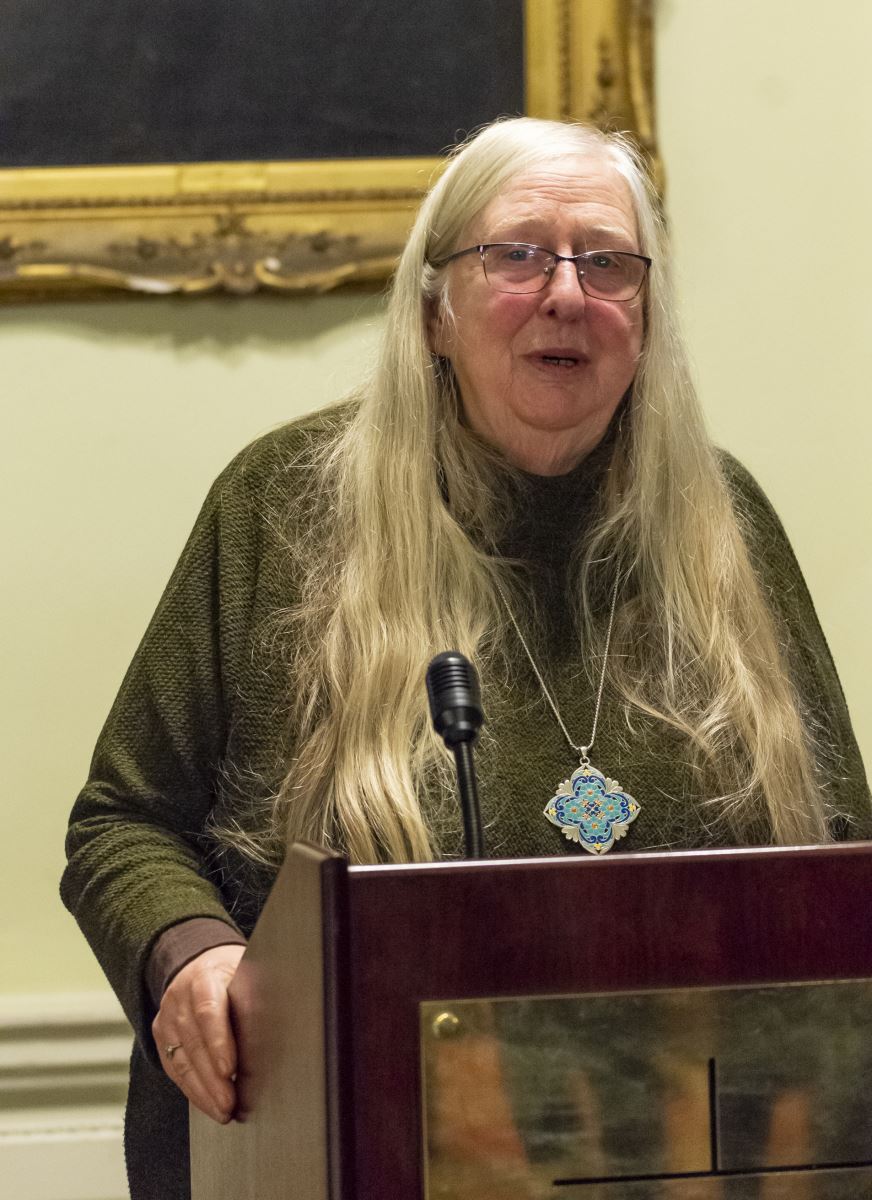
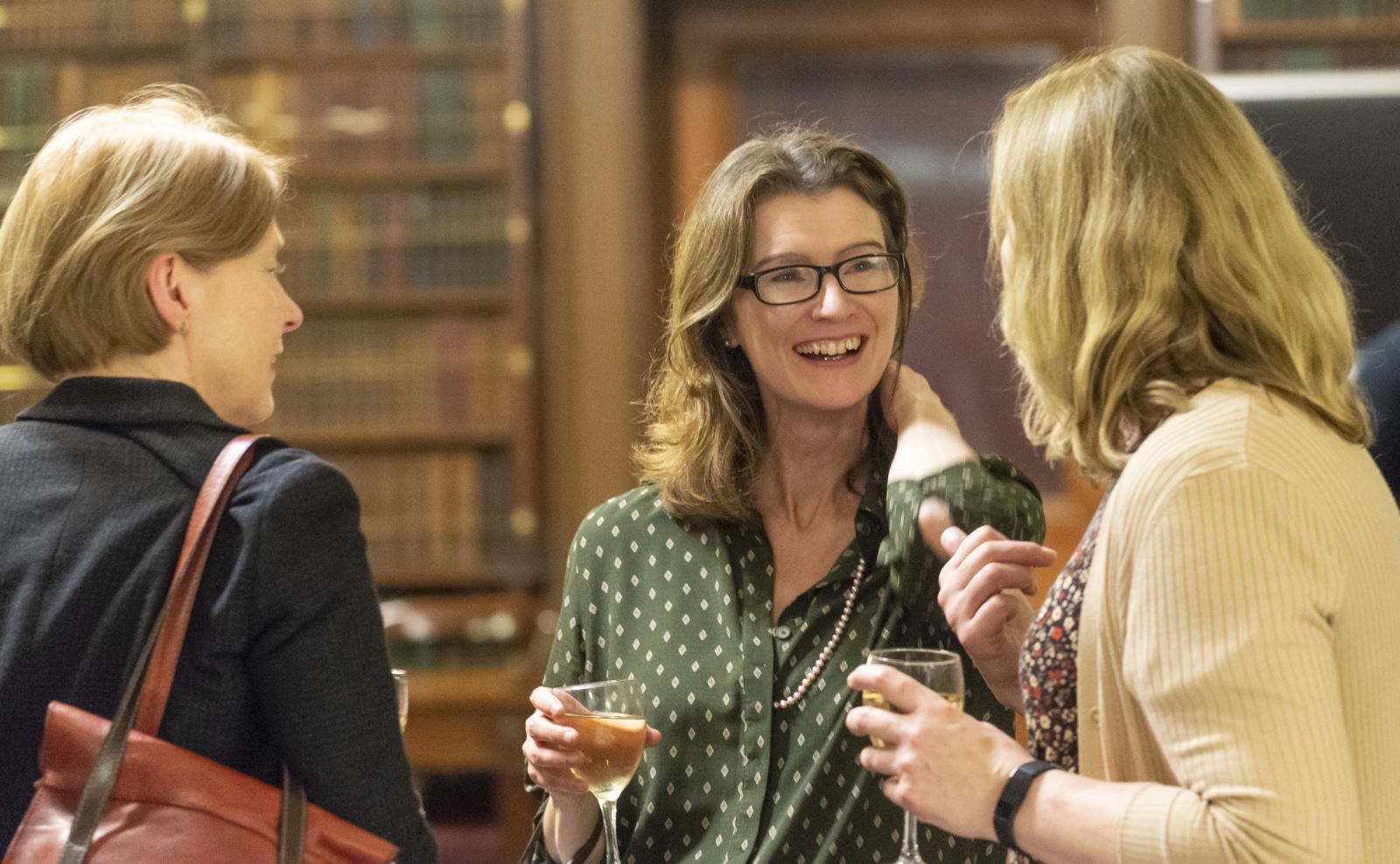
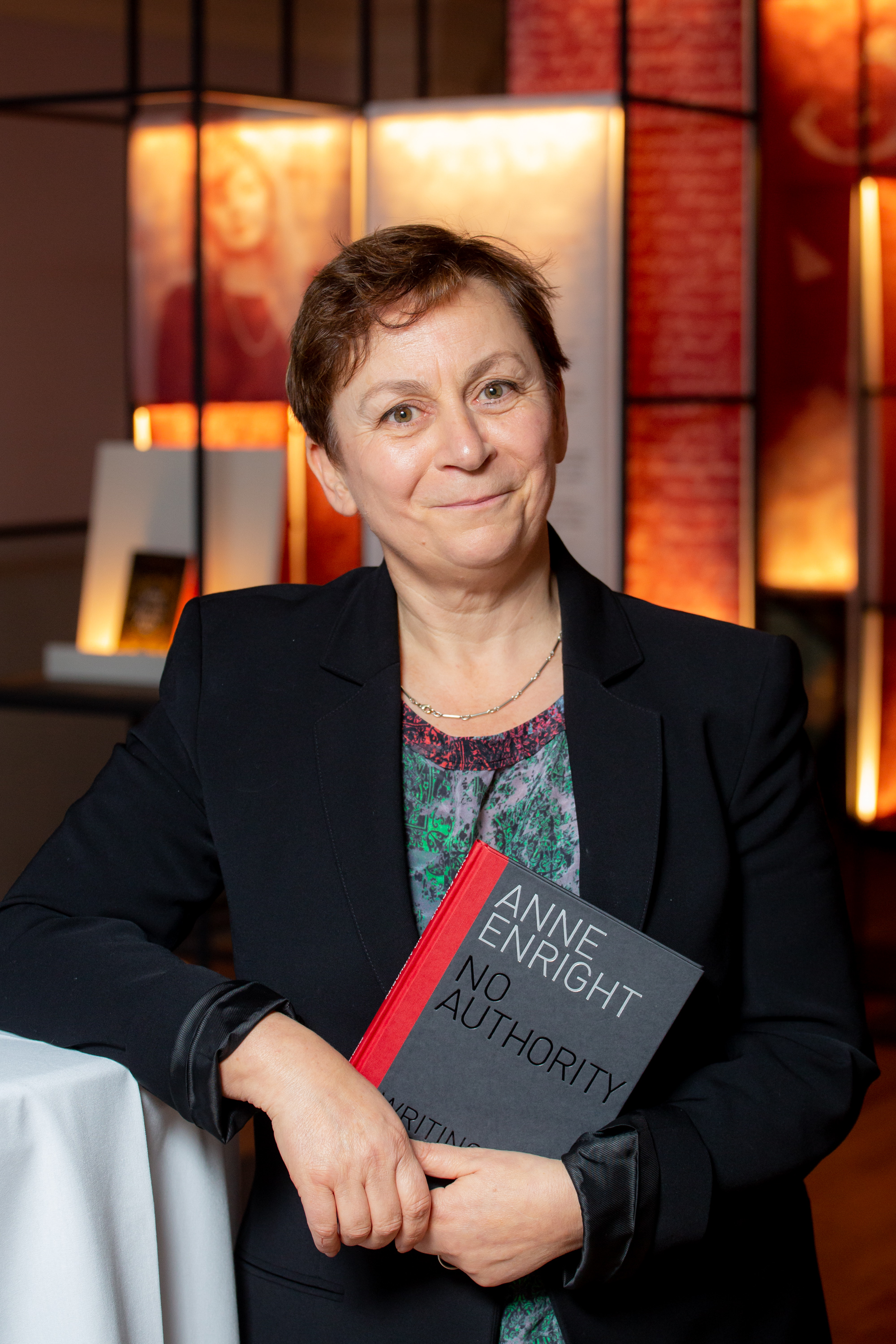
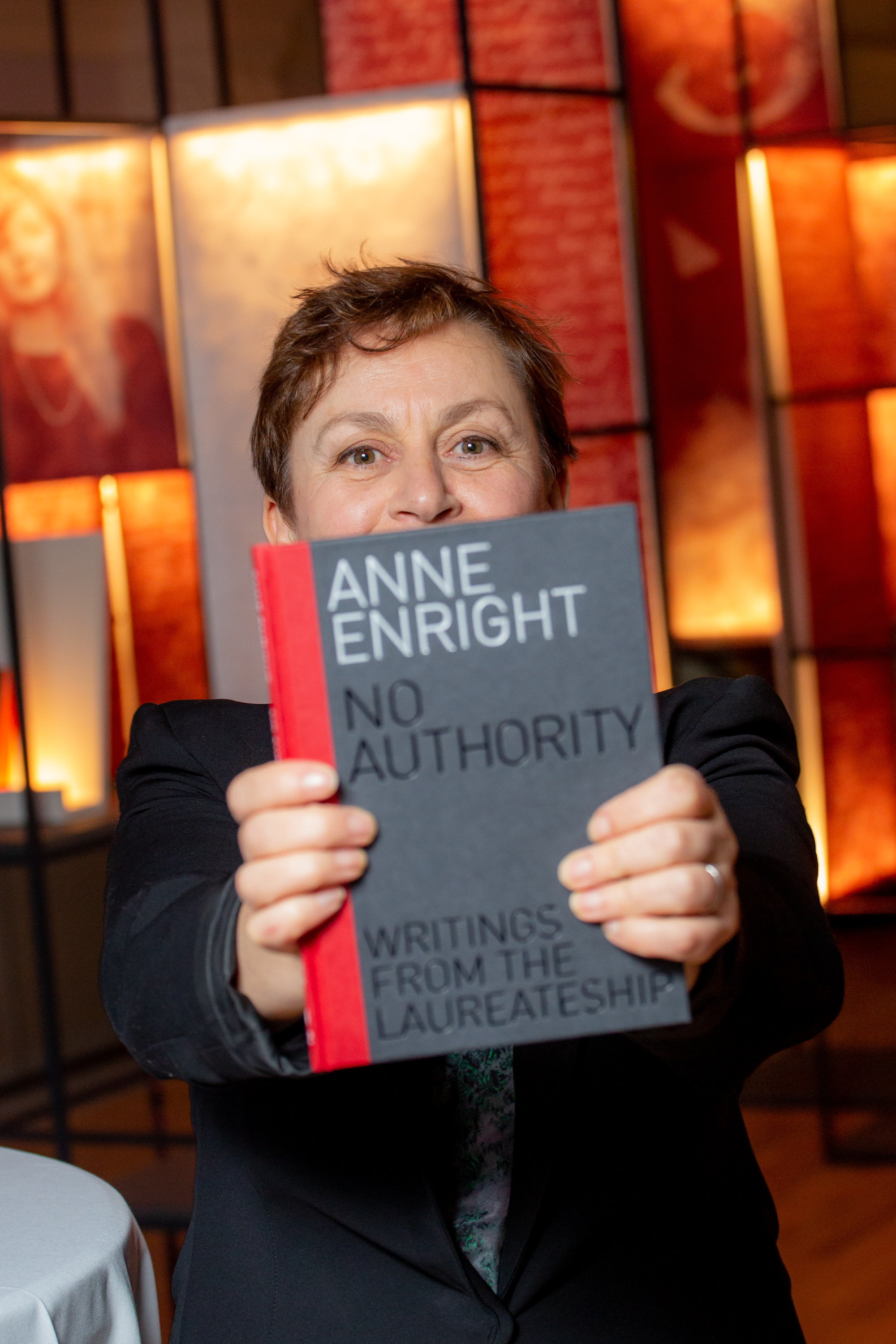
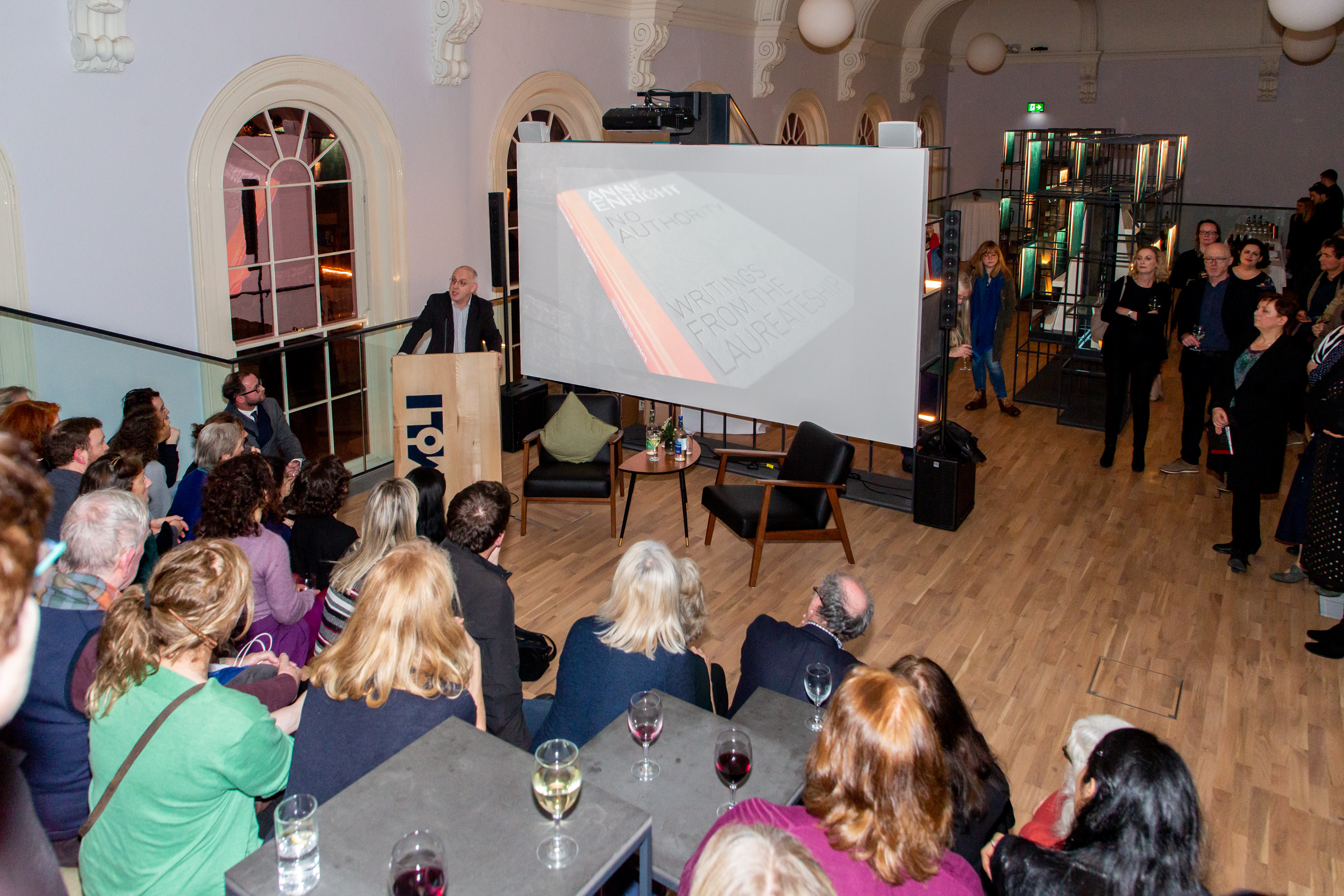
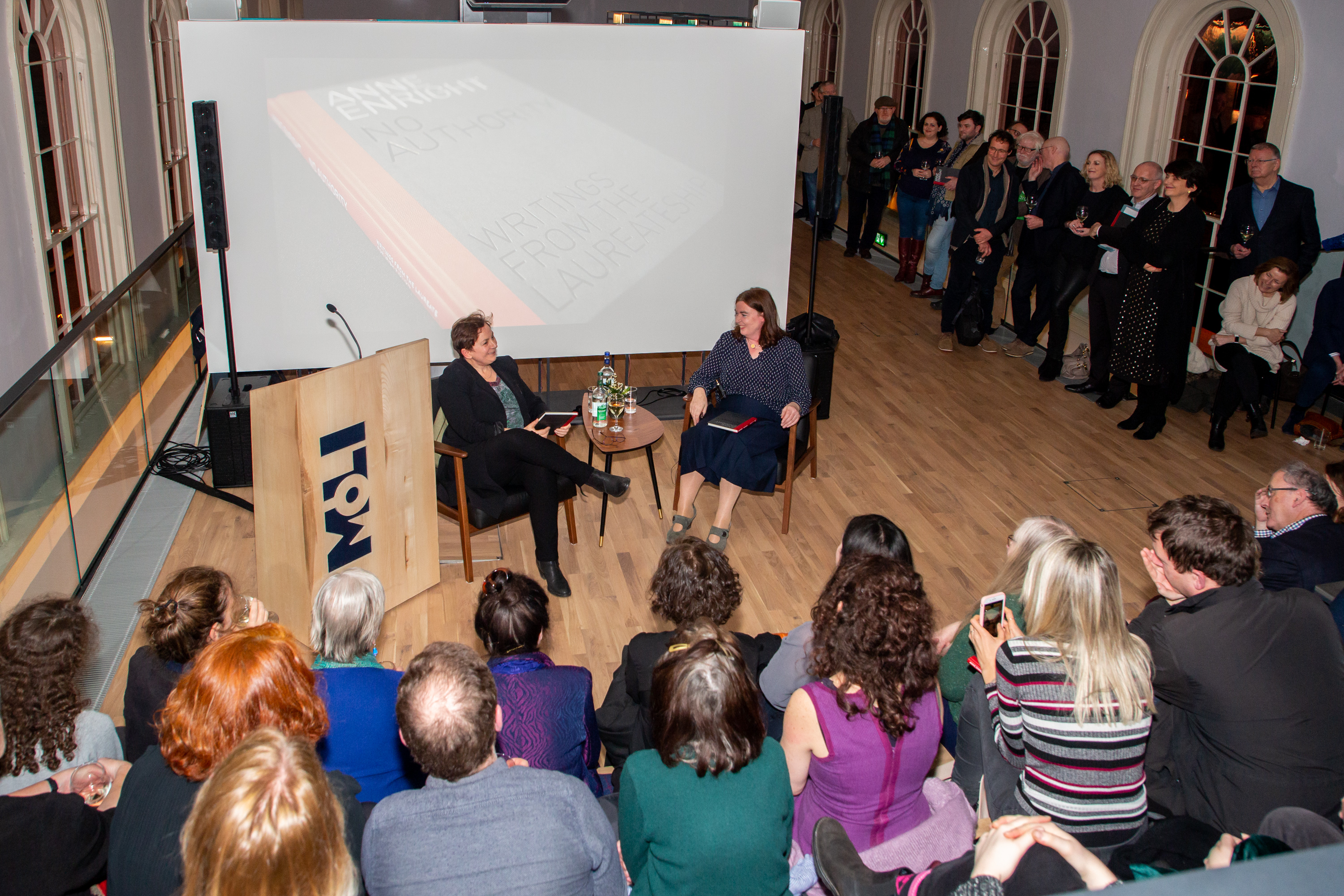
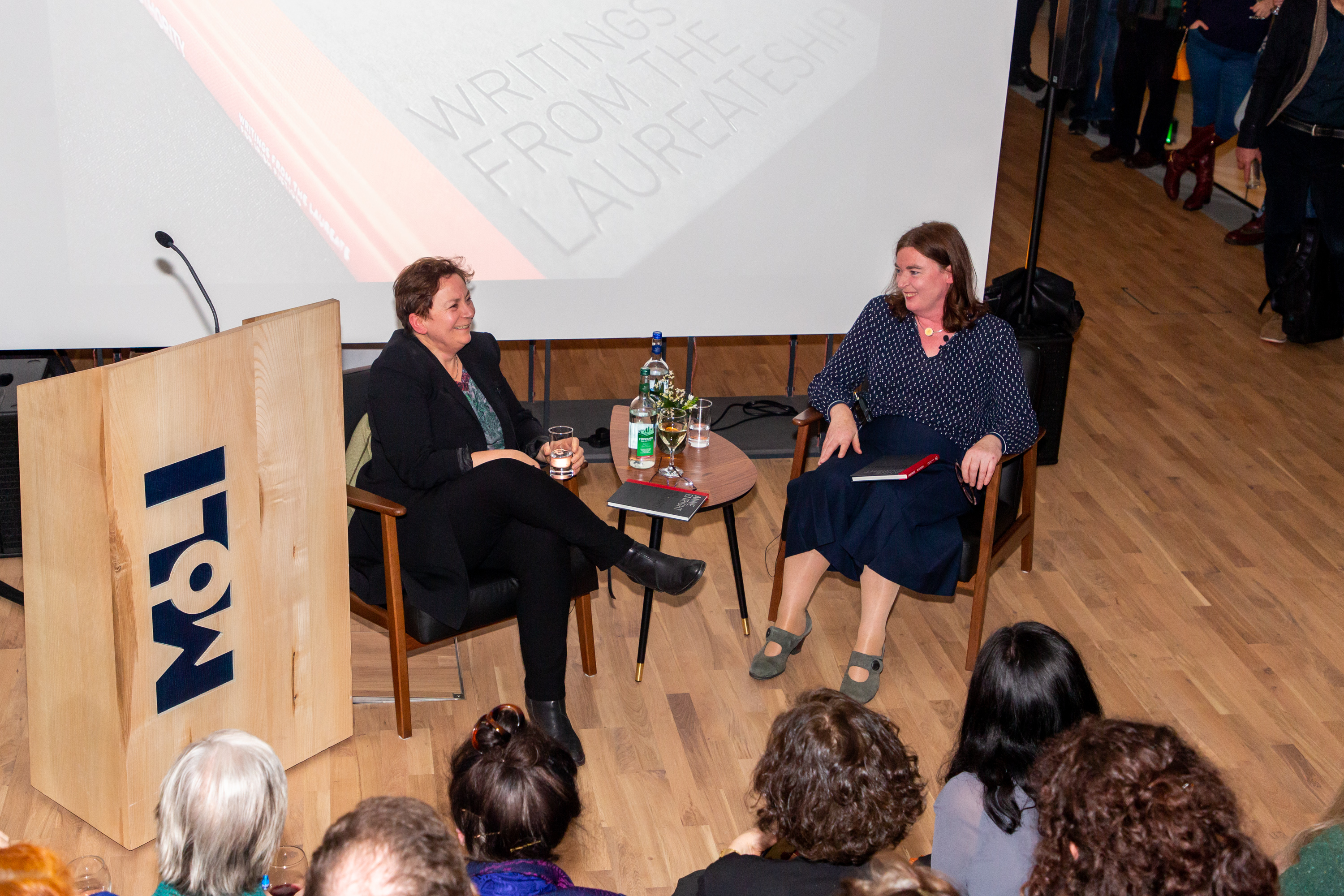
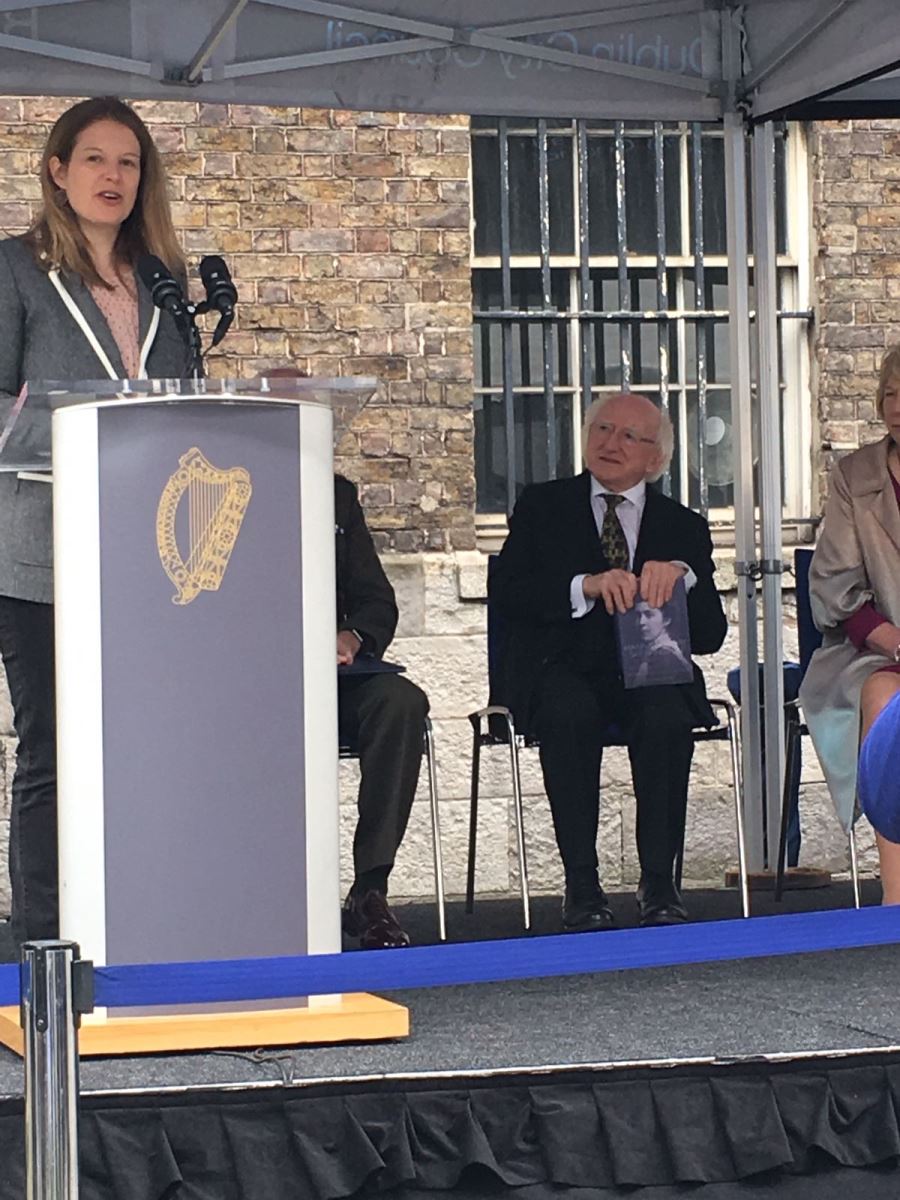
On Friday 29 November 2019, UCD Press and the Arts Council launched Anne Enright's new book No Authority, the writings from her Laureateship of Irish Fiction.
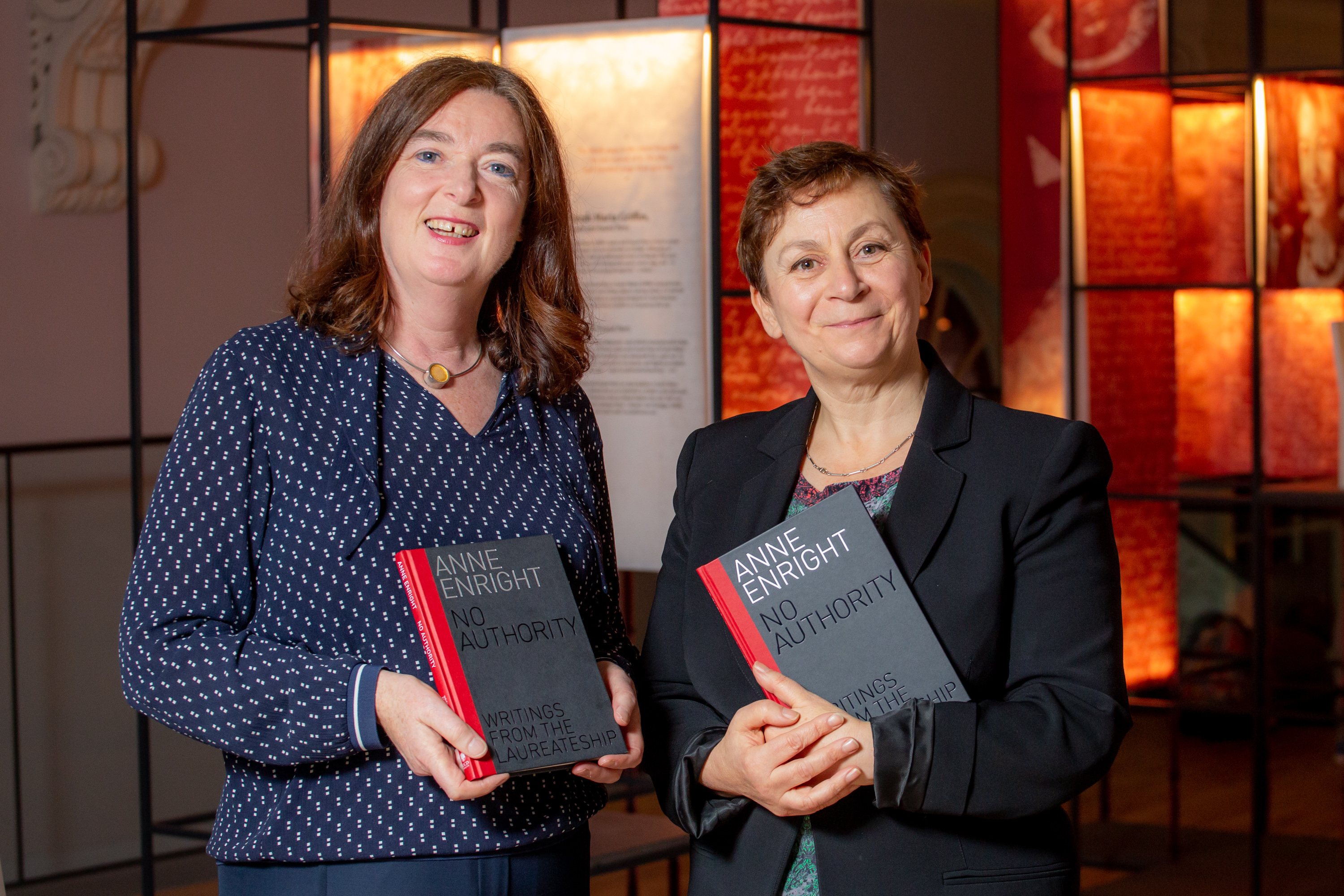
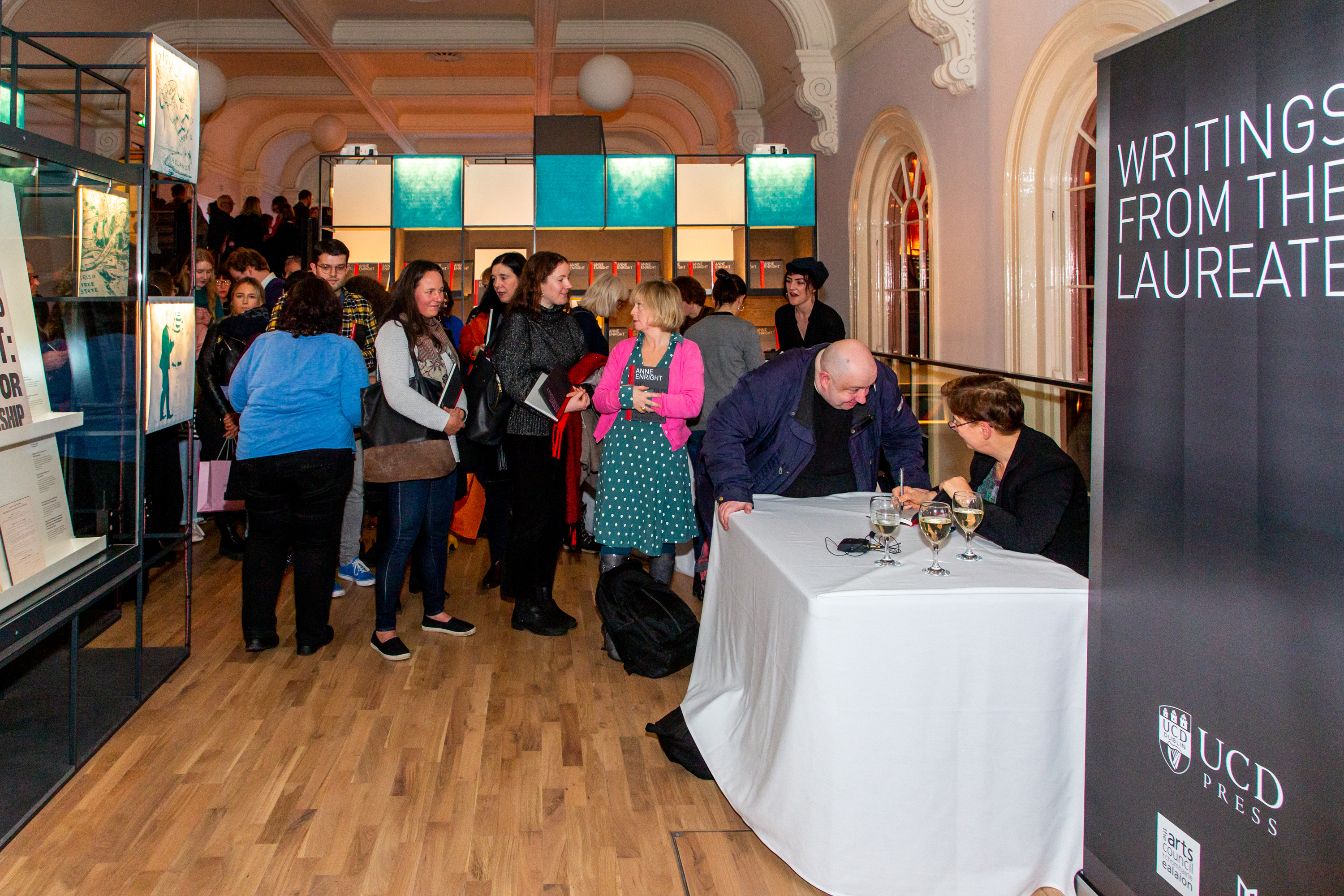
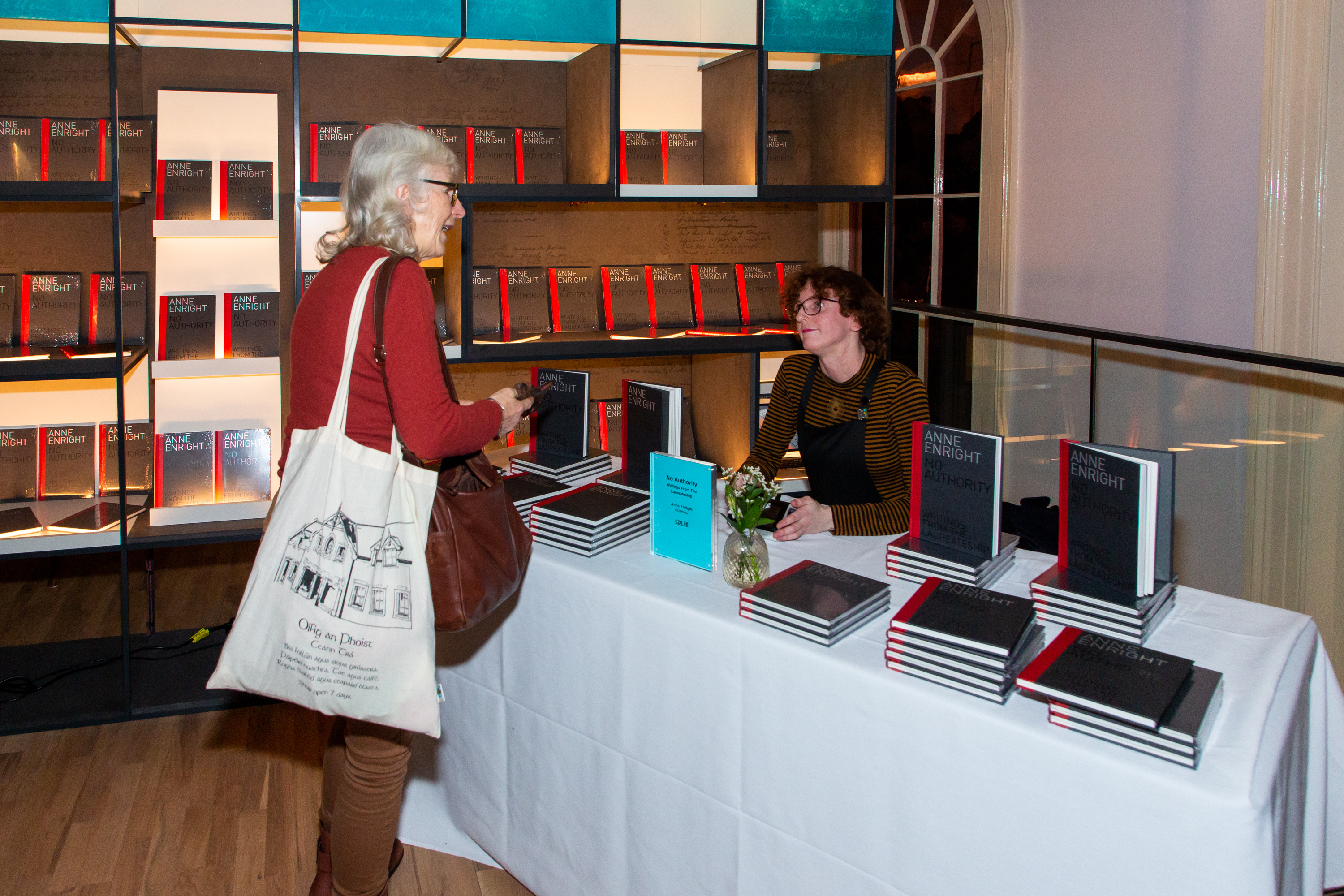
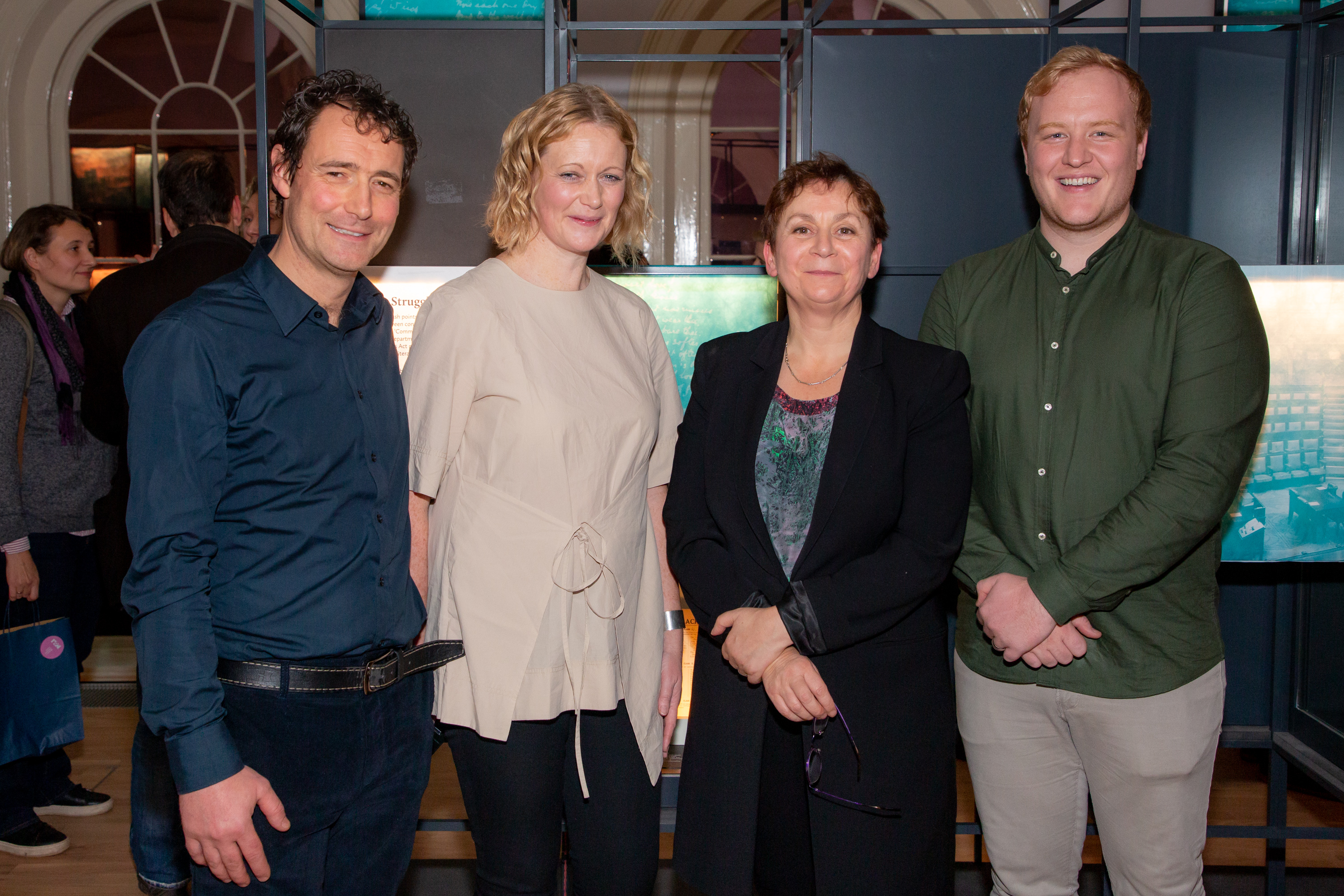
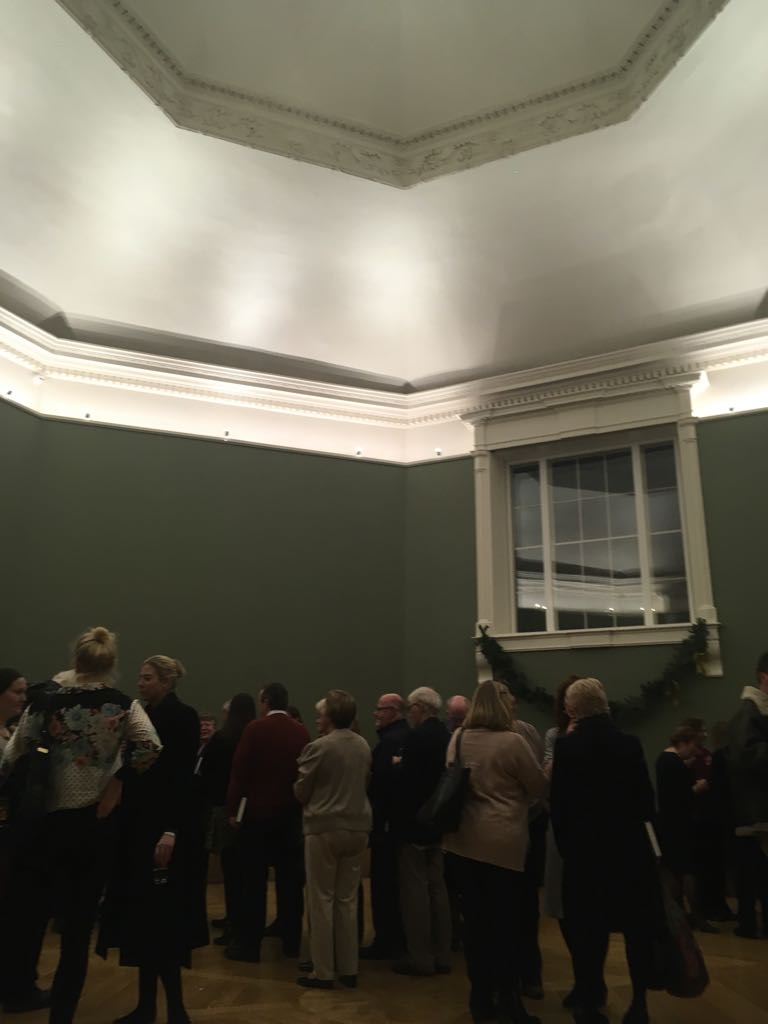
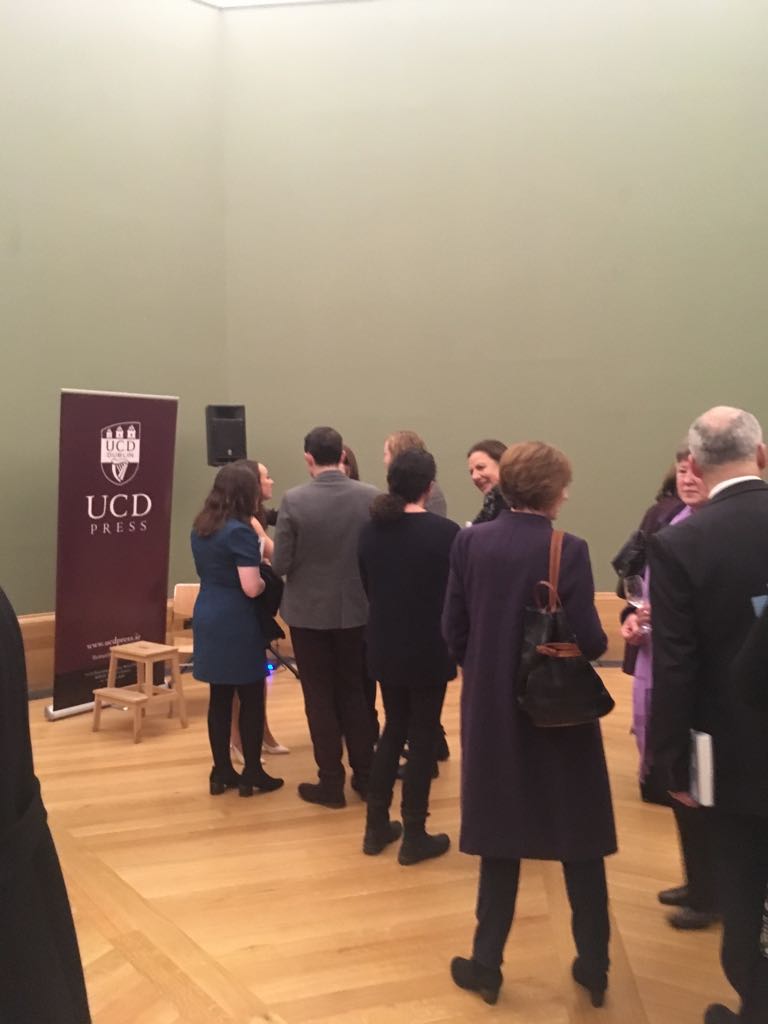
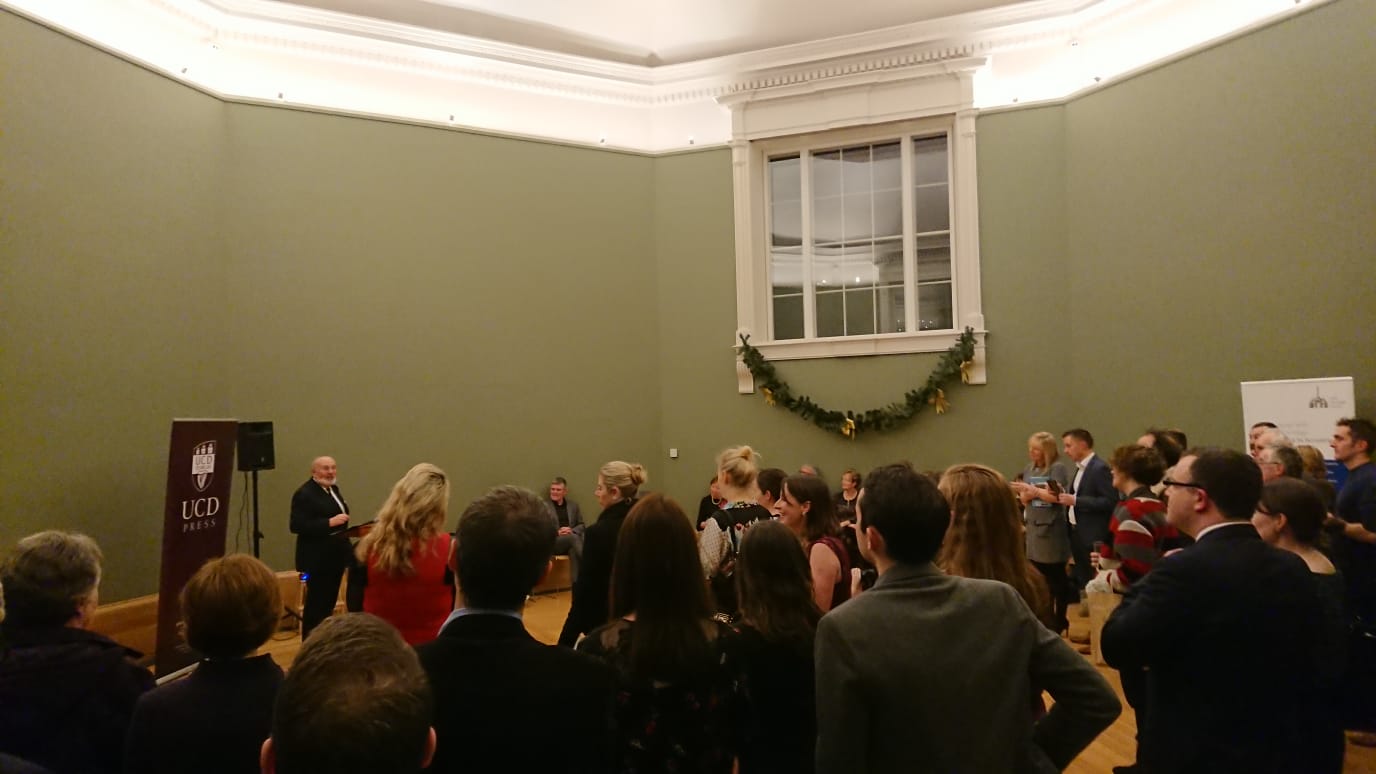
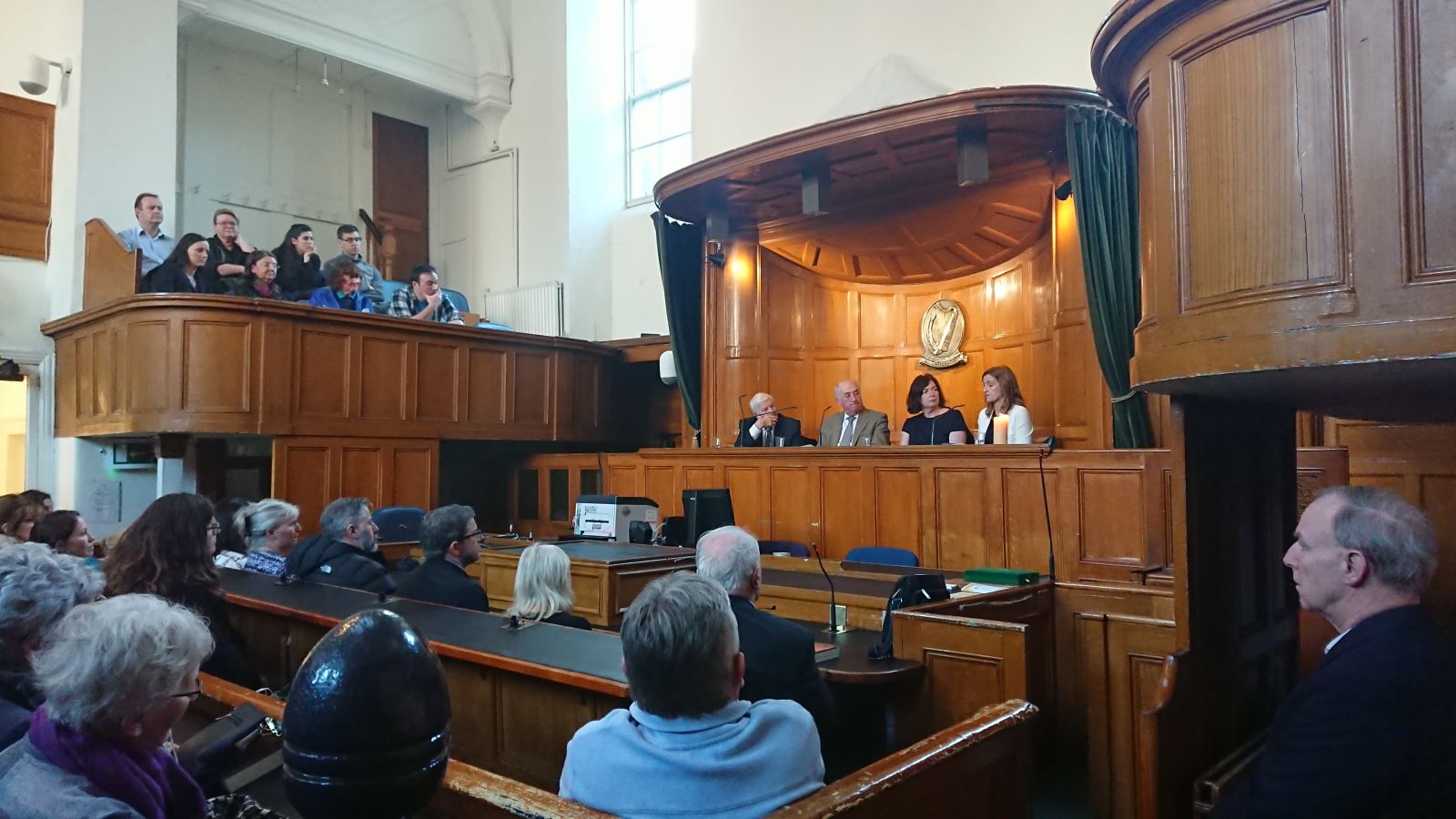
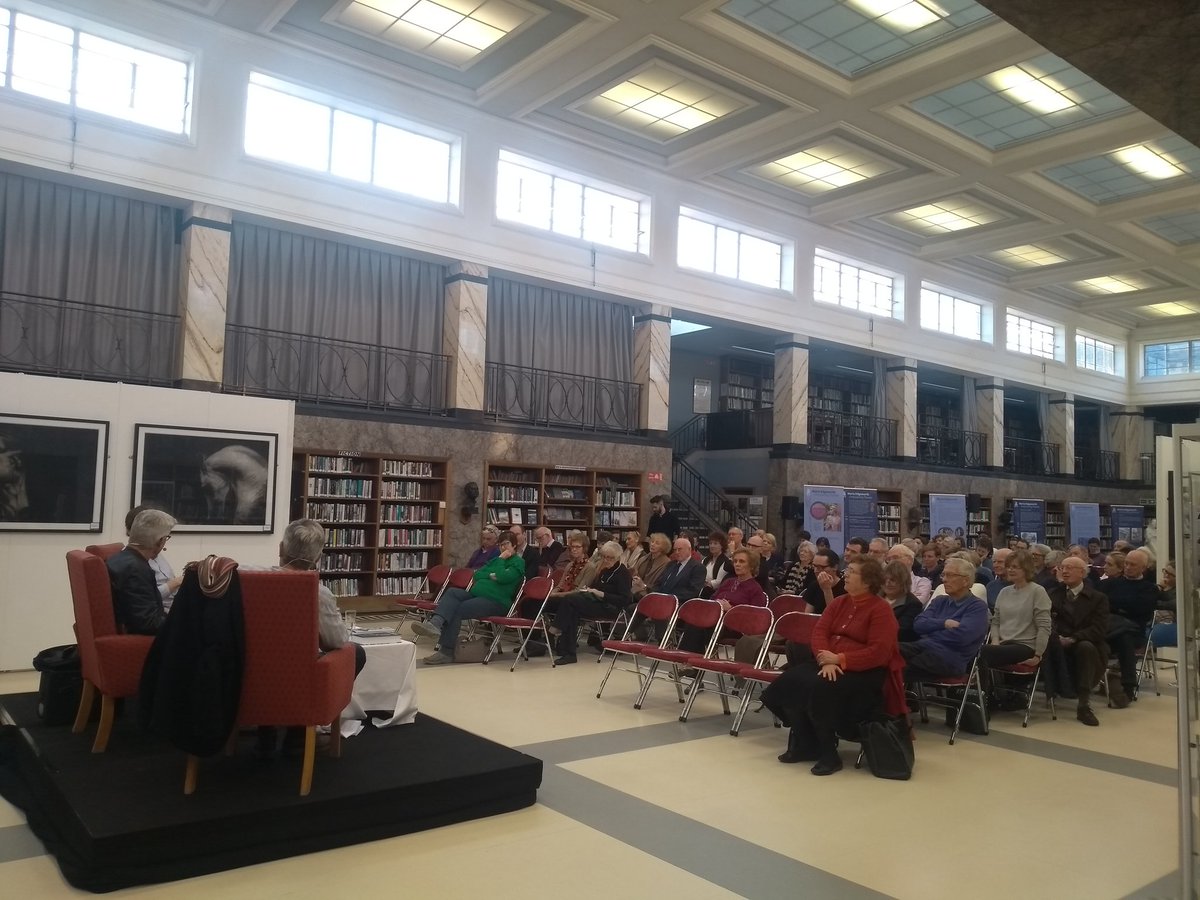
Saturday, 16 November at the National Library of Ireland saw Margaret Ward and Lorcan Collins in conversation with David McCullagh for a fascinating discussion on Ireland’s War of Independence.
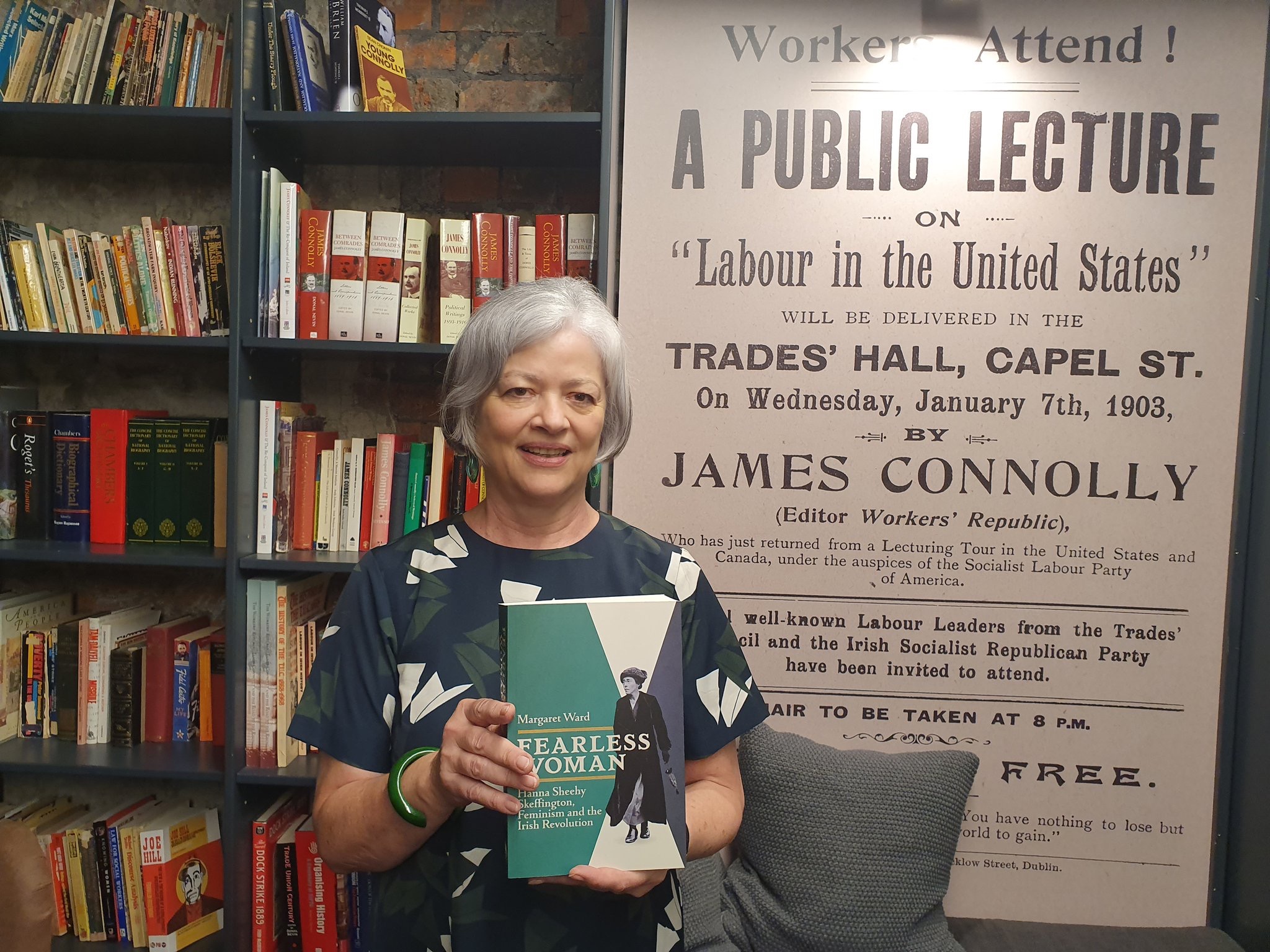
Margaret Ward discussed Hanna Sheehy Skeffington and her newly published book Fearless Woman (2019).
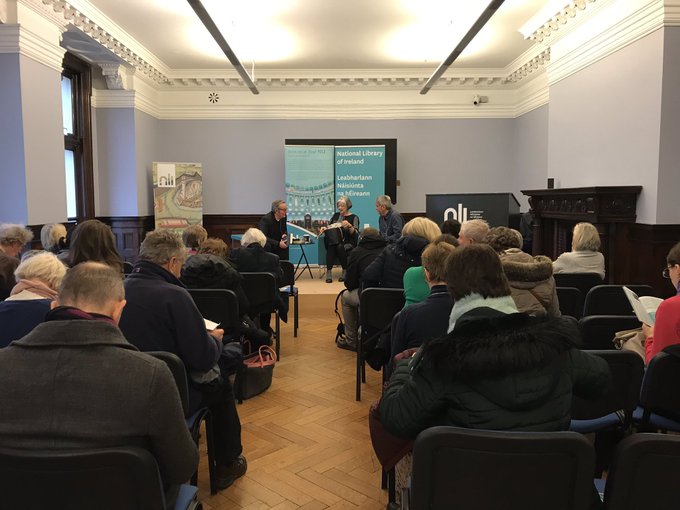
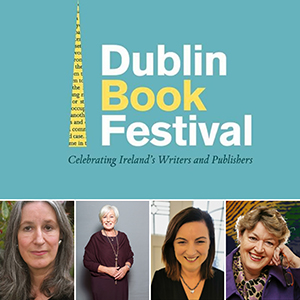
What a great turnout and an excellent conversation. Many thanks to The Dublin Book Festival for putting on such a lovely event over an excellent weekend.
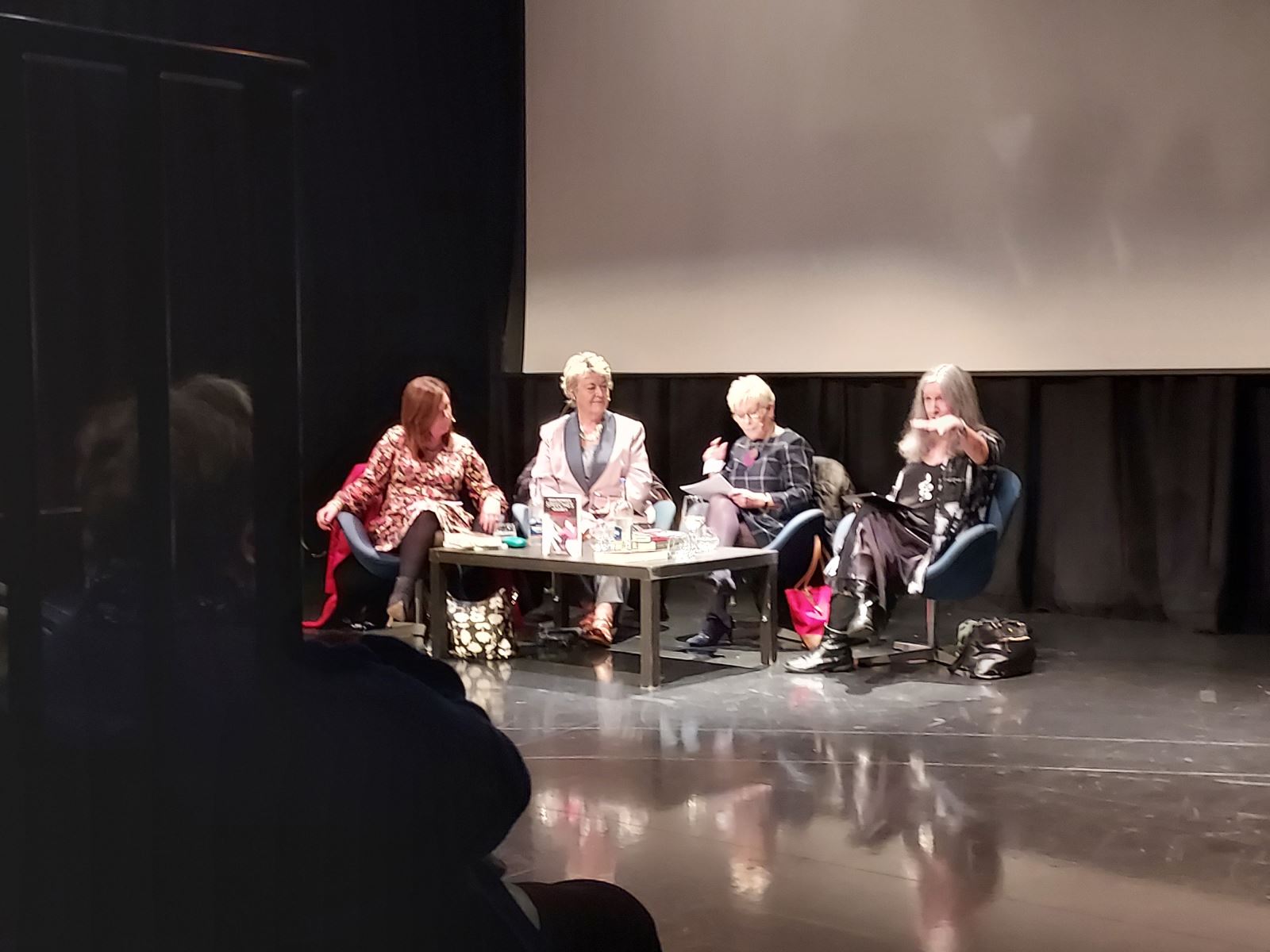
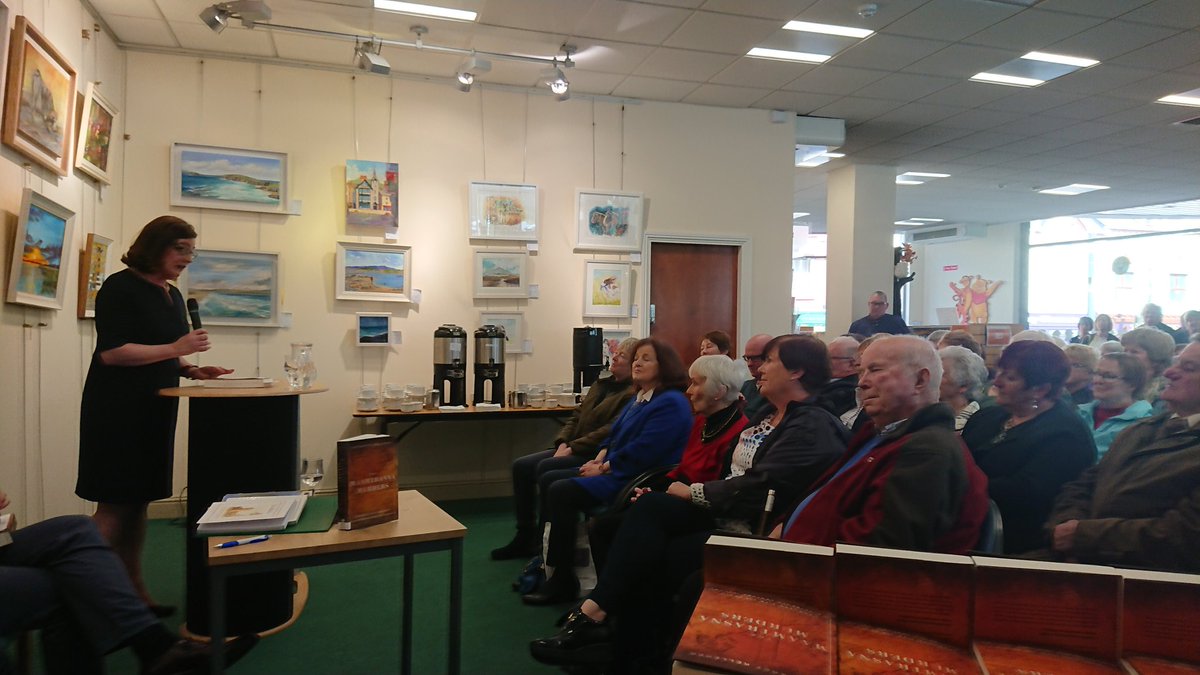
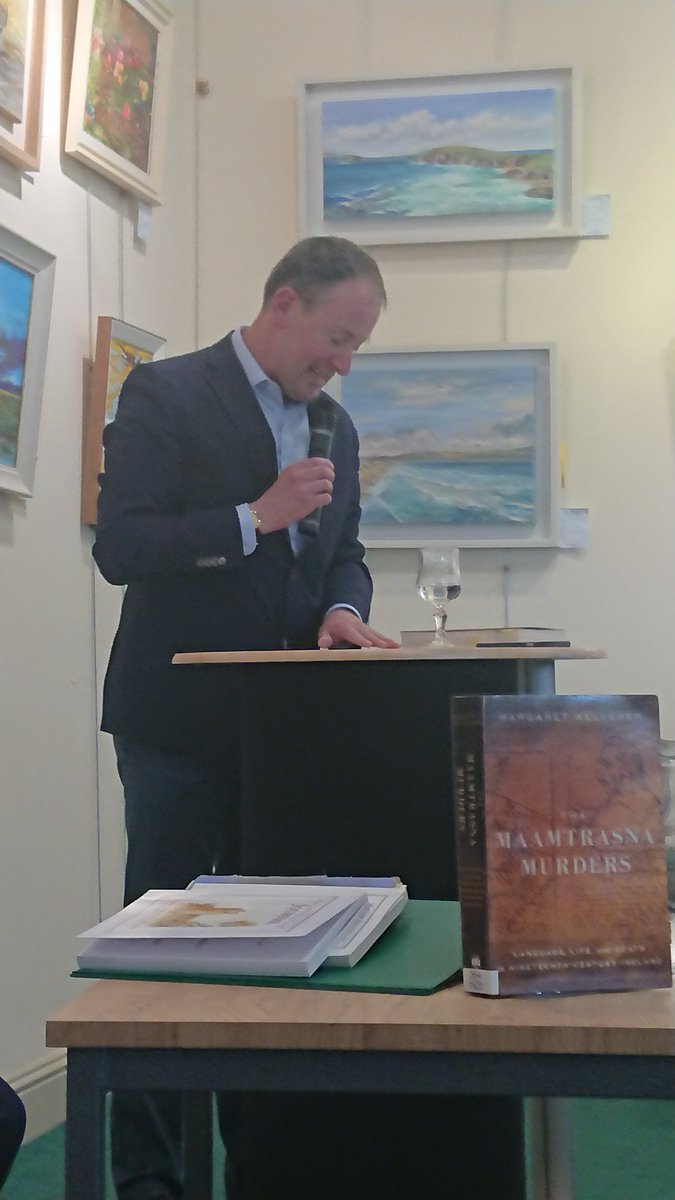
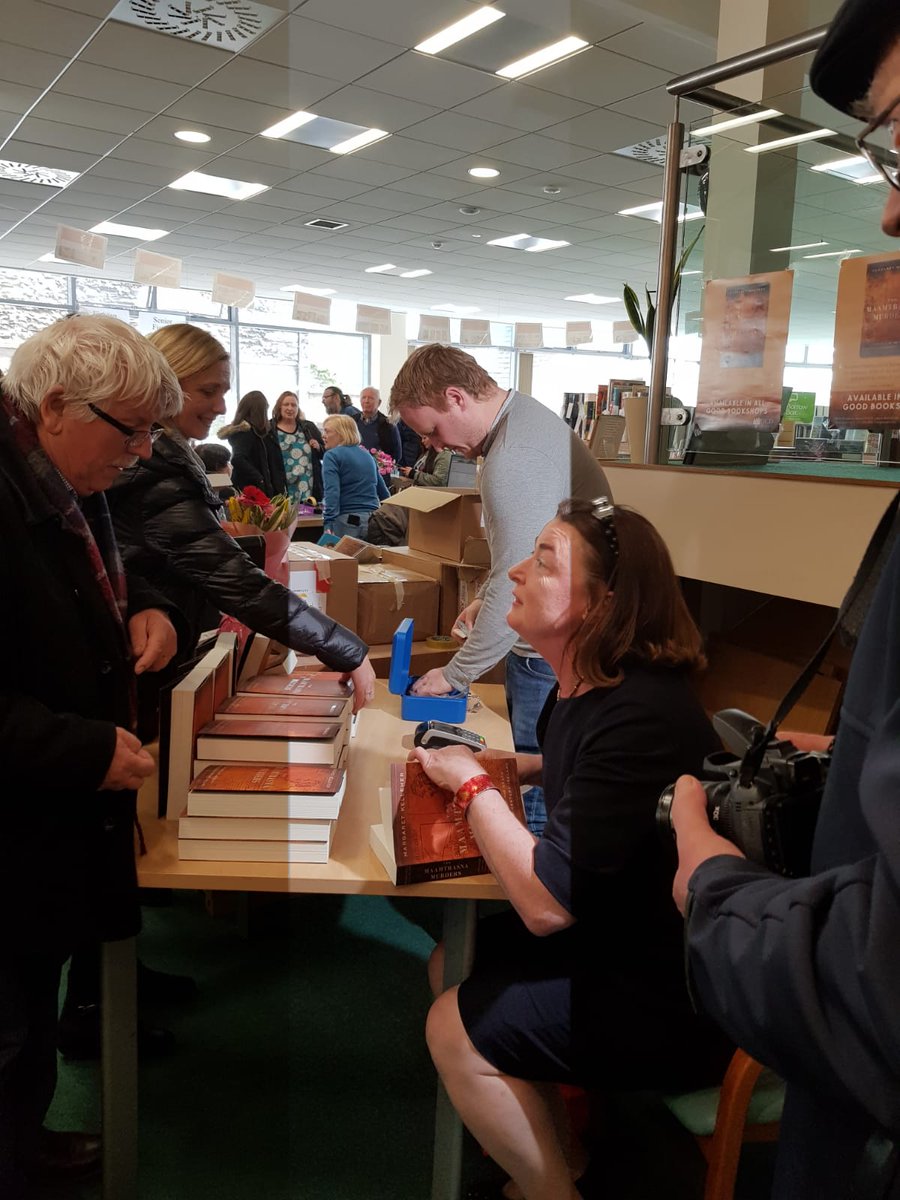
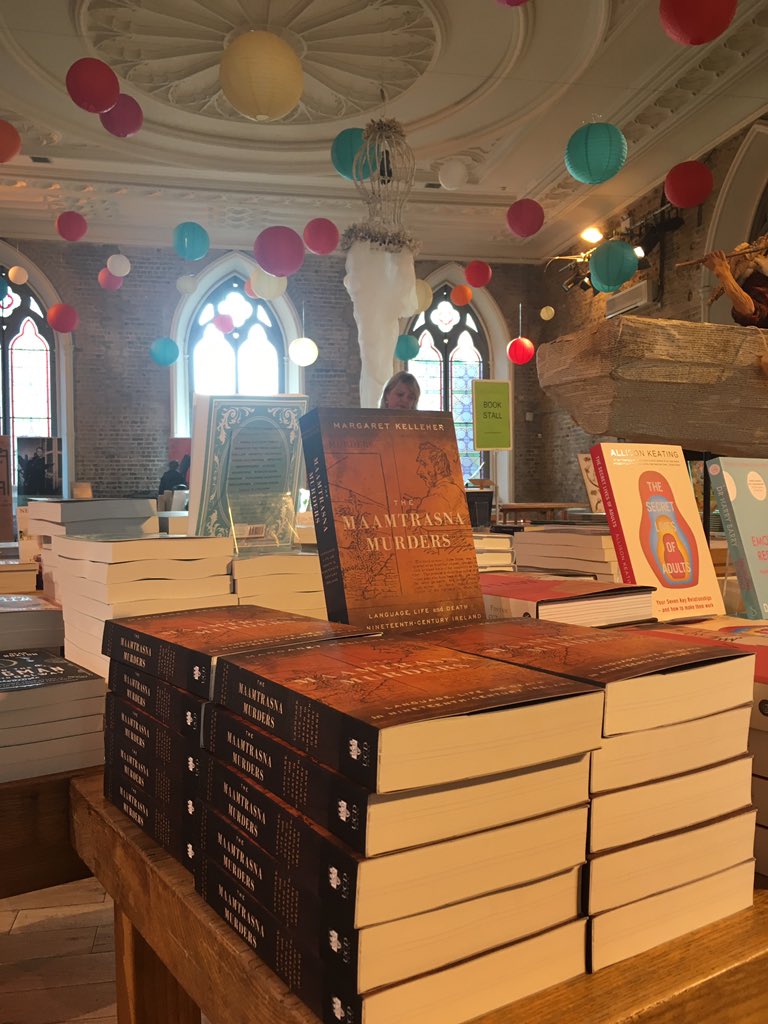
We were delighted to see our author Leeann Lane discussing her newly published book Dorothy Macardle (2019) at the Dublin Book Festival.
In the Winter Garden in Smock Alley Theatre, Leeann was in conversation with Louise Kennedy and Eoin O'Brien, all discussing 'Voices from the Past'.
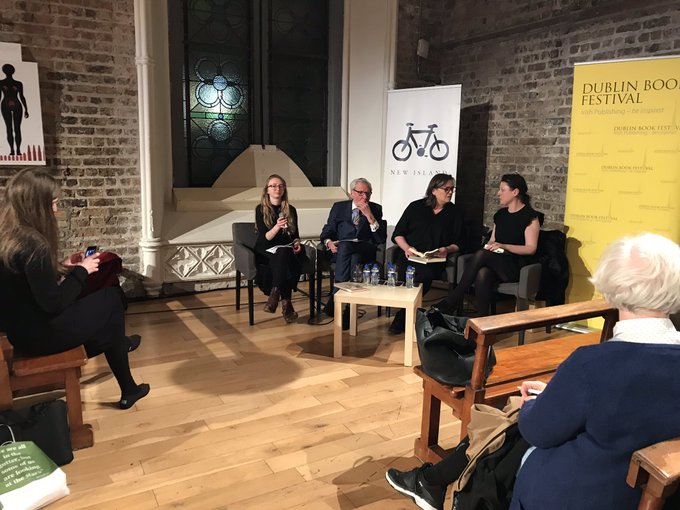
It was so lovely to see our biography of Dorothy Macardle displayed alongside three republished works of hers by Tramp Press at the event.
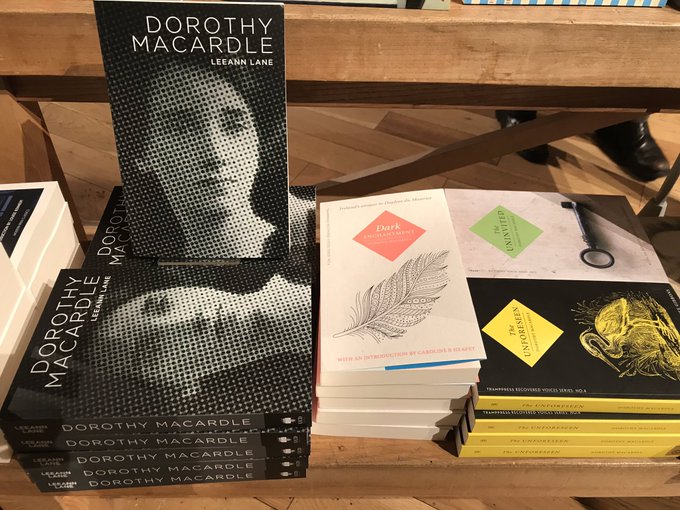
It was so interesting to hear about these three recovered voices, collected here for one special event, that until recently had not been noted in the arena of Irish writing. Big thanks to The Dublin Book Festival for organising such a wonderful event.

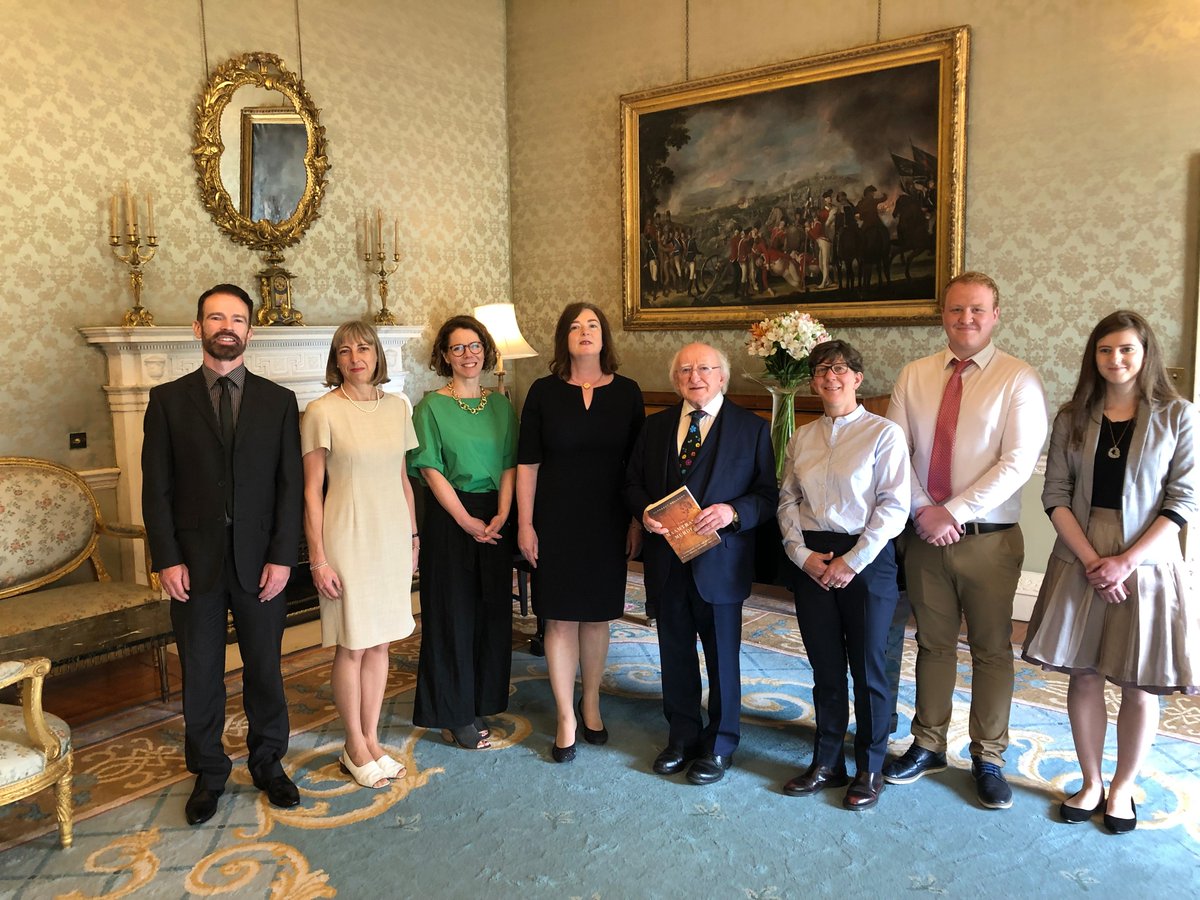
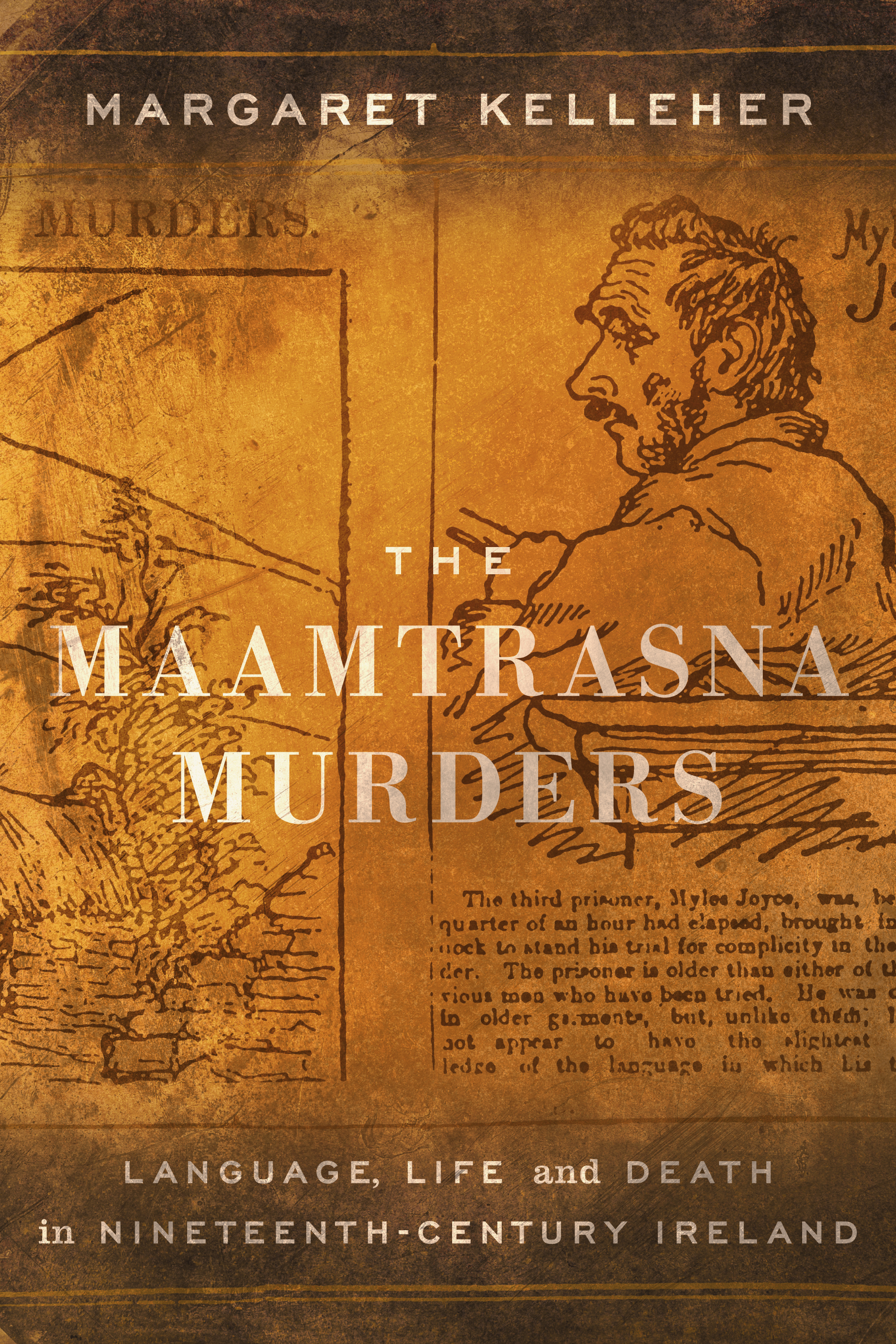
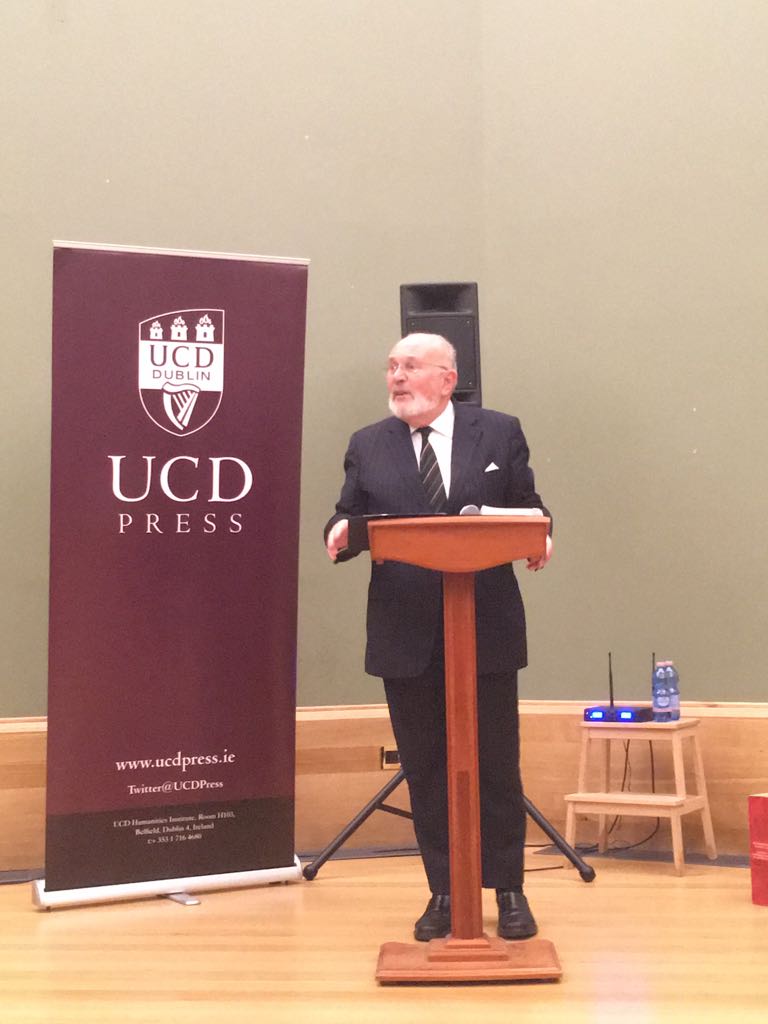
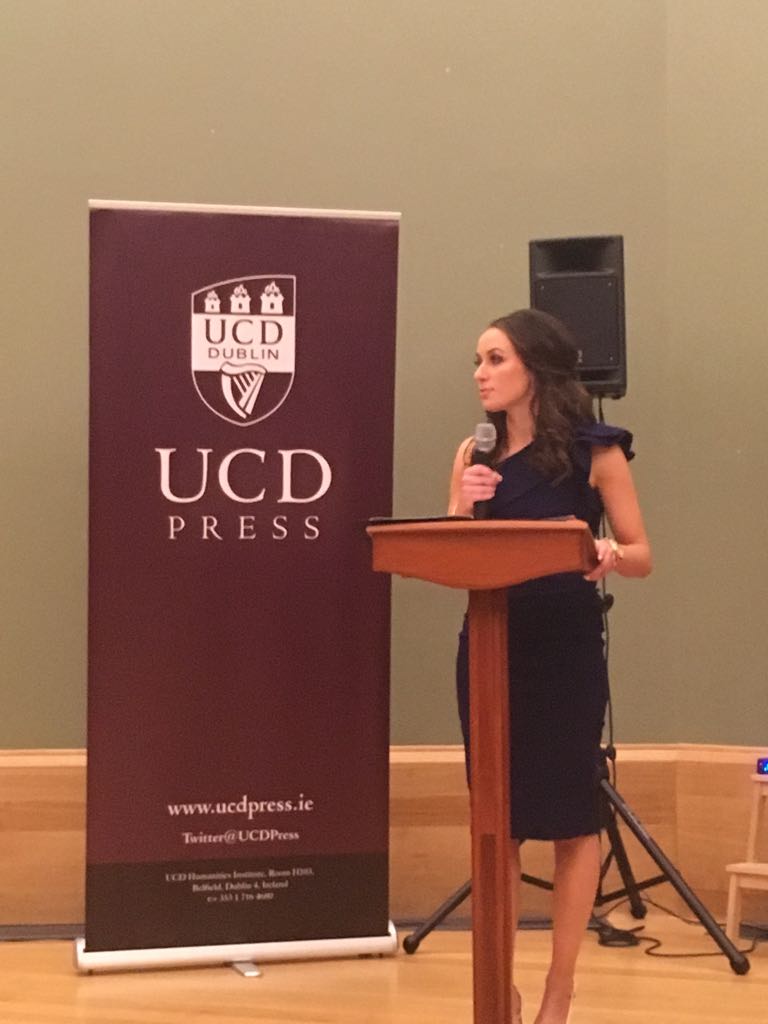

.JPG)
.jpg)
.jpg)
********


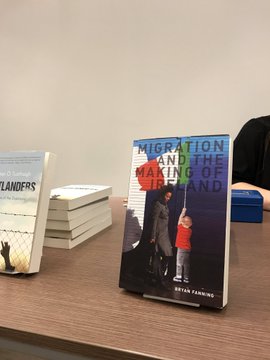
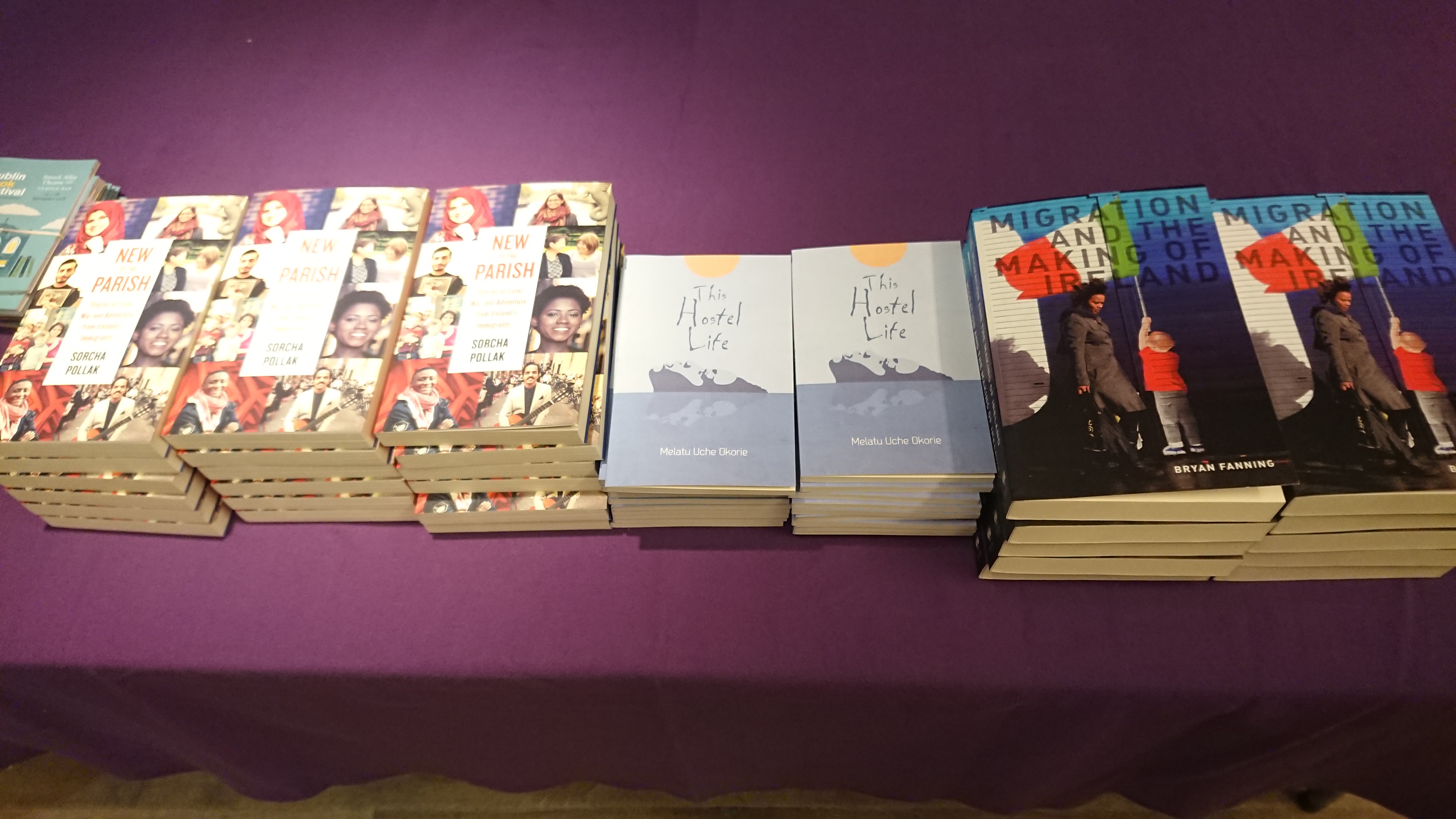
Read more about the book below:
'Migration and the Making of Ireland richly explores accounts of migrant experiences across more than four centuries. The motivations that drove migration to Ireland and emigration from Ireland since the Plantation of Ulster are assessed. Commonalities and differences across space and time between the experiences of incoming and outgoing migrants, with a strong emphasis on the recent waves of immigration that are re-shaping twenty-first century Ireland, are deeply explored.
This book makes a landmark contribution to our understanding of modern Ireland and will be essential reading for anybody seeking to understand the diversity of twenty-first century Irish society.'
......
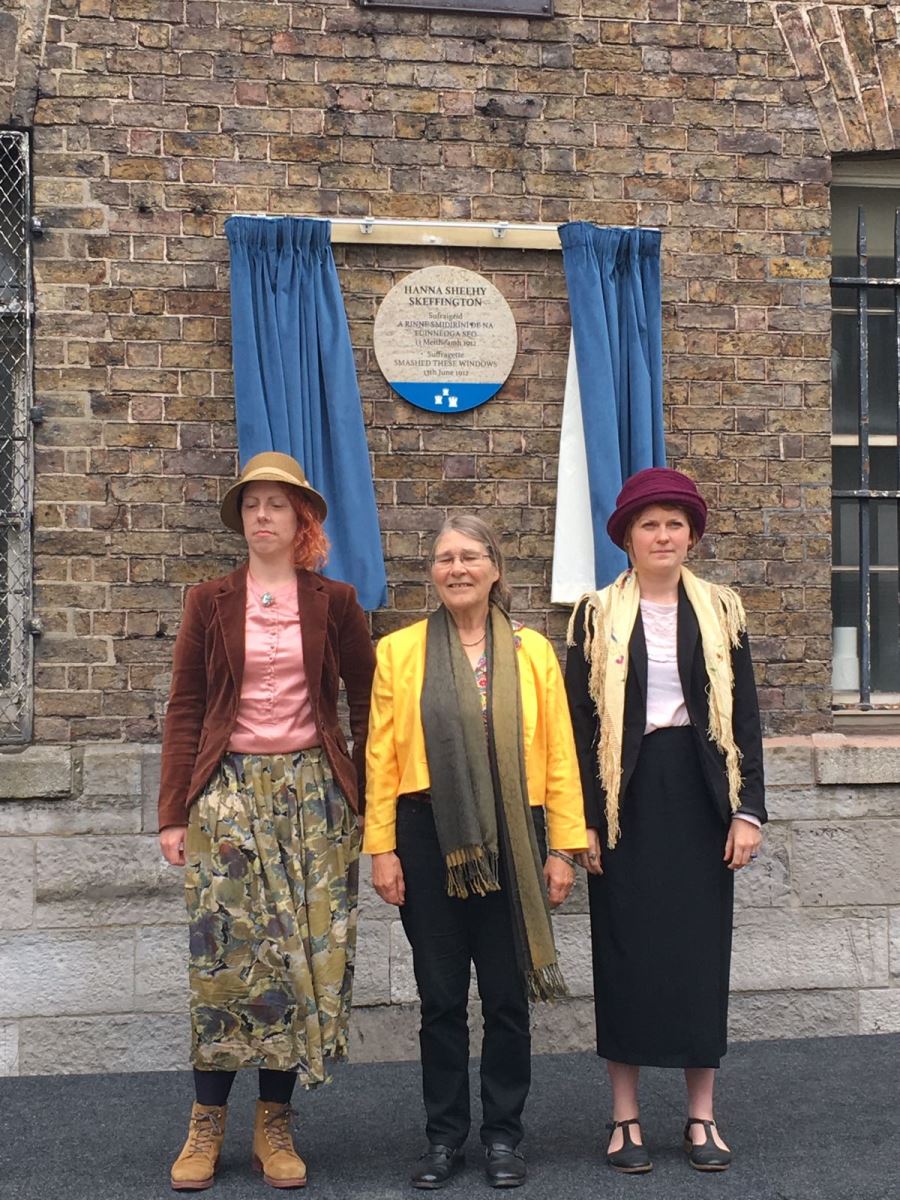
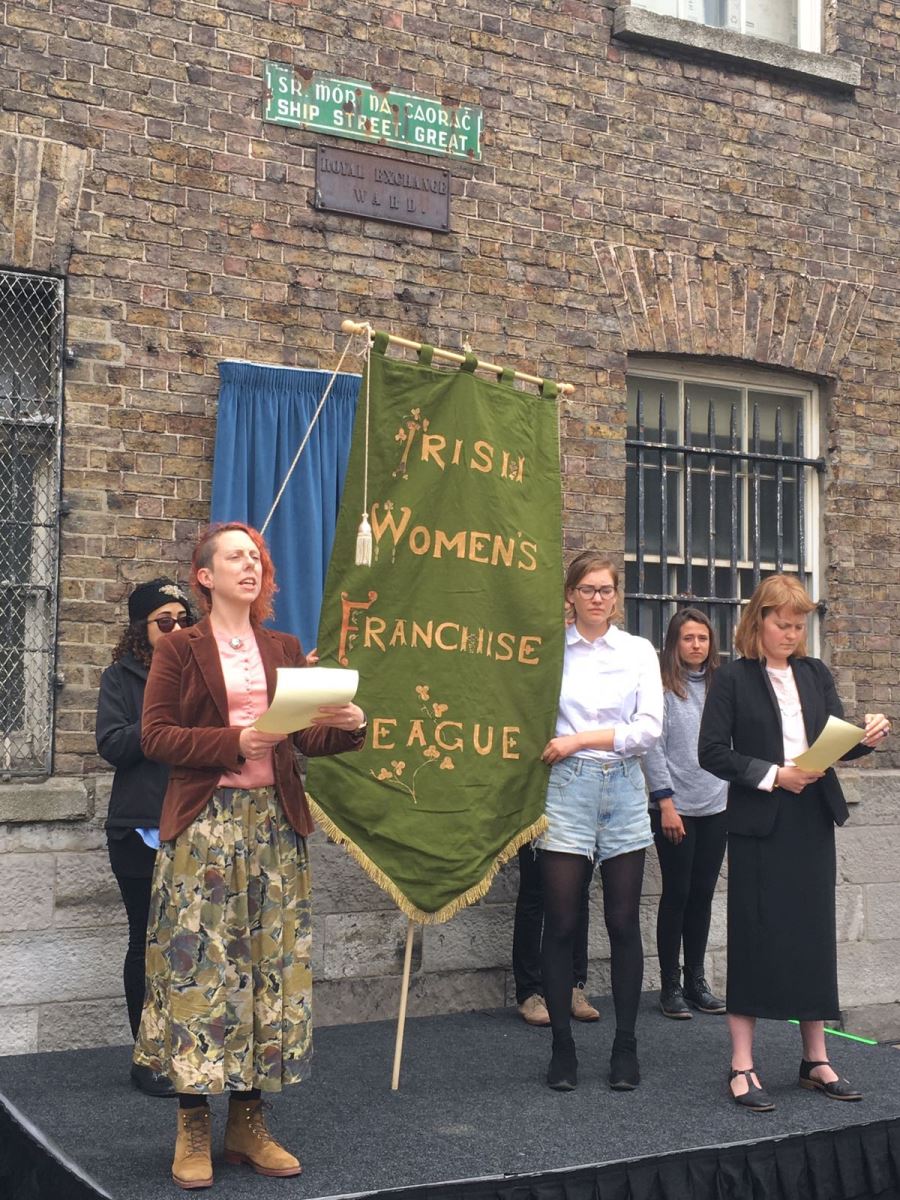
2018 is the centenary year of the right to vote for Irish women over 30 years old. It is wonderful to see such visible displays celebrating heroines such as Hanna Sheehy Skeffington.
Here is the Hodges Figgis suffragette window display to celebrate this special year. Great to see our Hanna book taking pride of place...

Pop in to Hodges Figgis, Dawson St, Dublin 2 and get your copy today!
..........
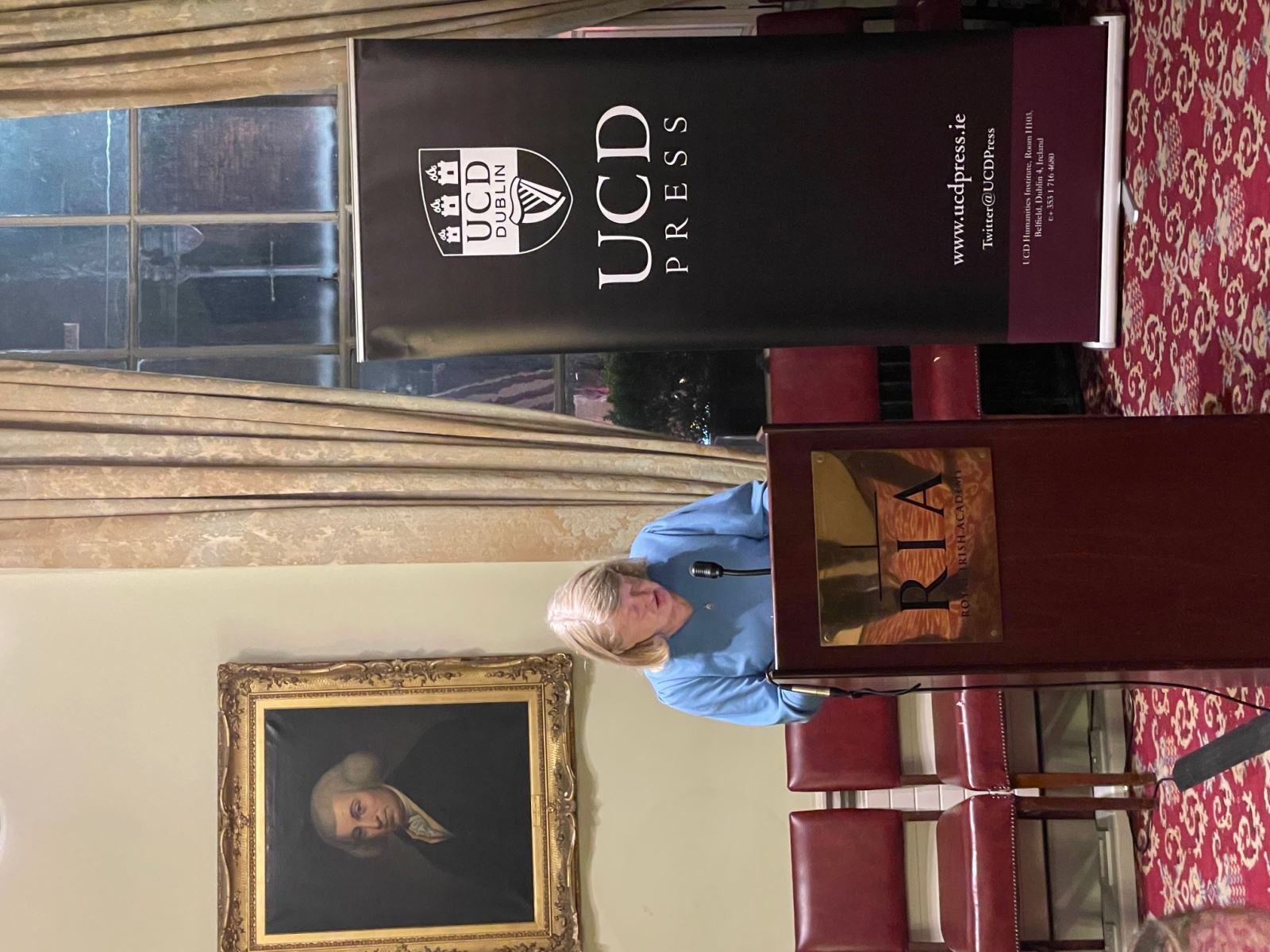
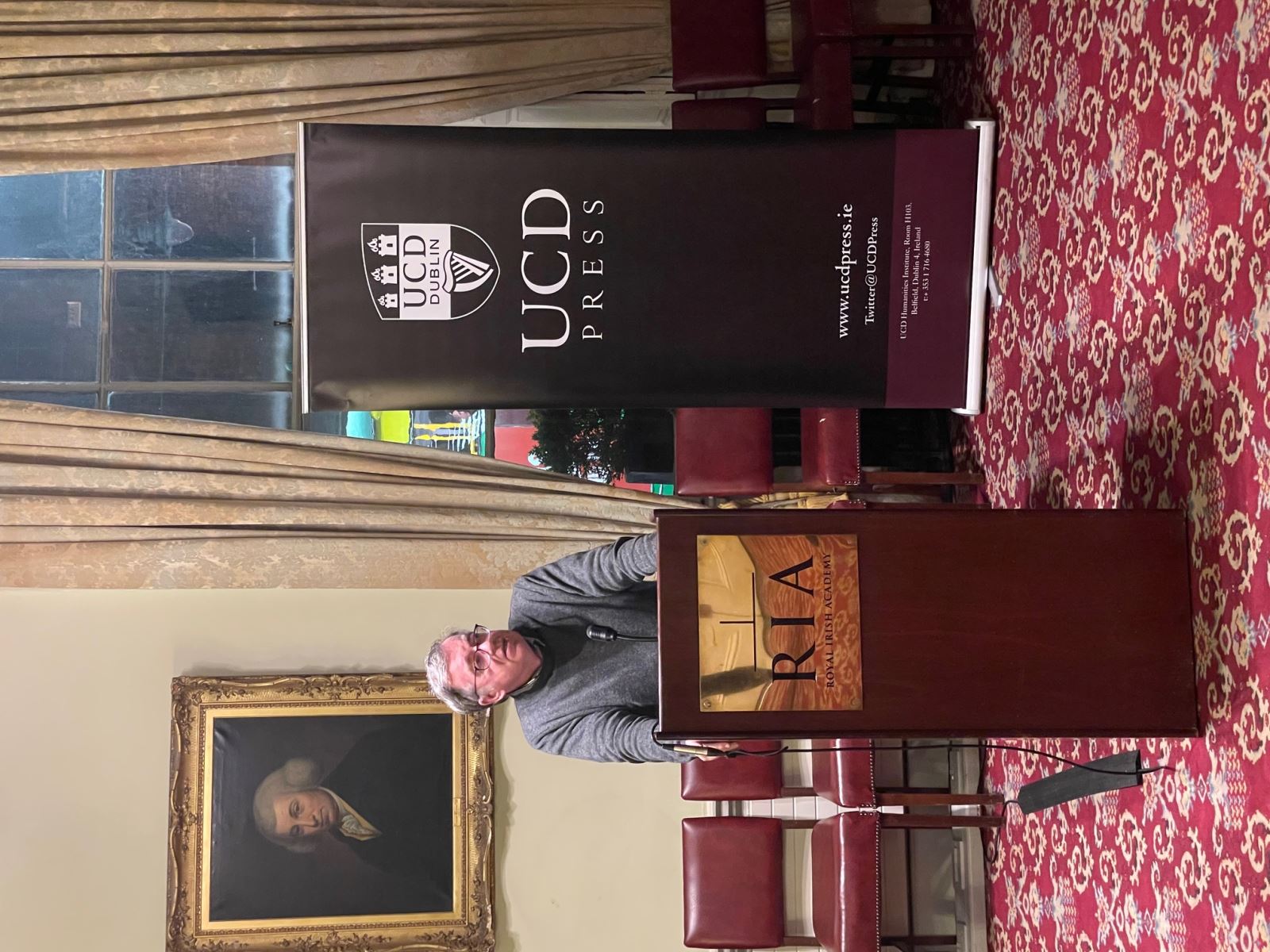
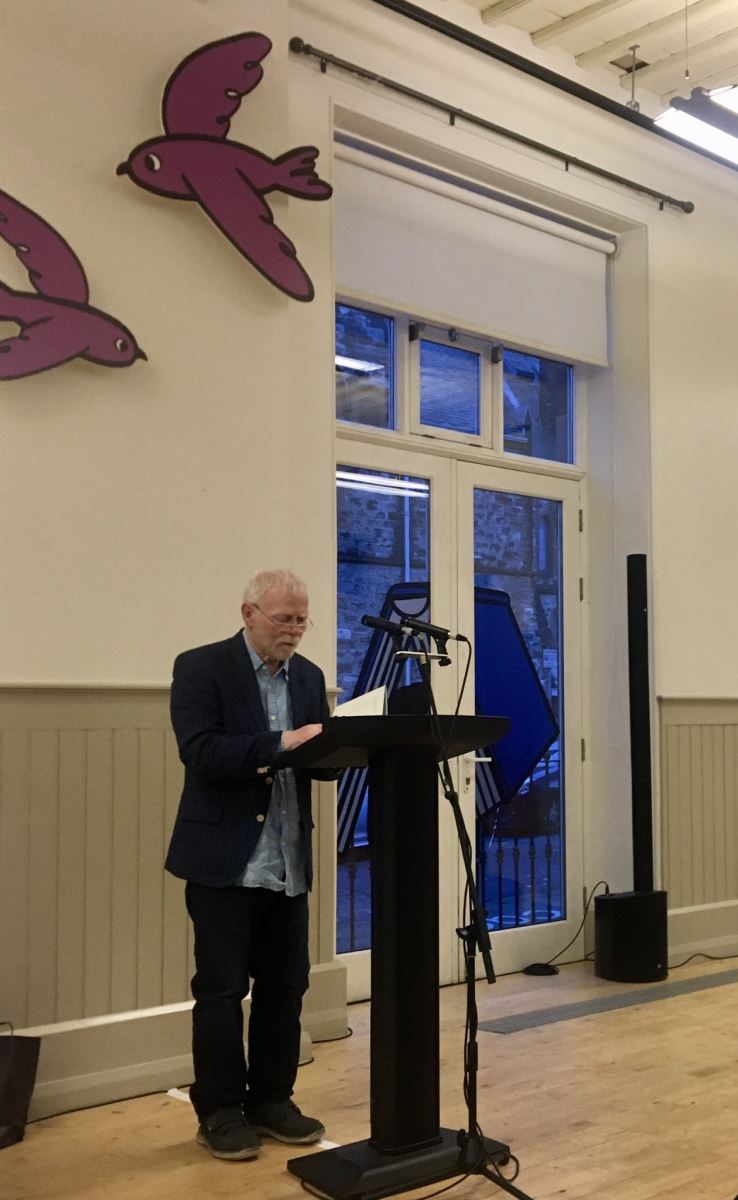
On 9th November 2017 Eiléan Ní Chuilleanáin launched the next 3 Poet's Chair books at the RIA Dawson Street:
The Bag Apron by John Montague
Cead Isteach by Nuala Ní Dhomhnaill
Three Great European Poets by Paul Durcan
We had readings from Nuala Ní Dhomhnaill, Harry Clifton & Paula Meehan and a lovely wine reception after.
Some images of the night below. Thanks to all poets and attendees for a really memorable night of poetry:


....
UCD Press had two great events in Dublin and Belfast for our latest title
Hanna Sheehy Skeffington, Suffragette and Sinn Feiner:
Her Memoirs and Political Writings
by Dr Margaret Ward
Hanna's Dublin launch took place on the 4th Oct. 2017 at the RIA, Dawson St, Dublin 2. Thanks to our wonderful panel of speakers: Martina Devlin, Catriona Crowe, Ivana Bacik and author Margaret Ward. And a special thanks to all attendees for making it a magical night #votesforwomen #votail100
Images of the Dublin event here:


.
On 12th Oct. 2017 we travelled north and launched Hanna again in the lovely No Alibis Bookshop, Botanic Ave, Belfast. Professor Monica McWilliams gave a wonderful speech, and again we would like to sincerely thank all attendees for making it a night to remember
Some images below:


......
UCD Press was delighted to collaborate with Irish Academic Press and Glucksman Ireland House, NYU, last year on Ireland’s Allies and Modern Ireland and Revolution. Below is an article from Books Ireland (March/April 2017) about the collaboration.
.jpg)
.jpg)
......
Delighted to be present for the New York launch of Ireland's Allies at Glucksman Ireland House, NYU, New York
1st December 2016
Some pictures of the event below:


Glucksman House Ireland, NYU


Ireland's Allies editor Miriam Nyhan Grey with contributors.
Cormac O'Malley, Glucksman House and Conor Graham, IAP.


Packed house of supports and guests, Glucksman House Ireland
1 December 2016


......
Women Writing War, edited by Tina O’Toole, Gillian McIntosh and Muireann O’Cinnéide, was launched by Professor Patricia Coughlan on Friday 25 November 2016 in Plassey House, University of Limerick. Professor Coughlan gave an inspiring speech and an enjoyable afternoon was had by all. Below are some photographs of the event.

Tina O'Toole, Gillian McIntosh, Muireann O'Cinnéide and Patricia Coughlan

The editors and publishers of Women Writing War with Maeve and Órla McKeown, the grand-daughters of Annie Cooney, who appears on the cover

Patricia Coughlan officially launching the book

The majestic Plassey House, where the launch was held
..........
Michael Davitt after the Land League, by Carla King, was launched by Dr Micheline Sheehy-Skeffington on Wednesday 23 November 2016 in DCU St Patrick’s Campus, Drumcondra. The event was organised in conjunction with Professor Daire Keogh, Deputy President DCU. Many thanks to all who attended, especially members of the Davitt family. Below are some photographs of the launch.

Micheline Sheehy-Skeffington with Grainne Davitt, grand-daughter of Michael Davitt
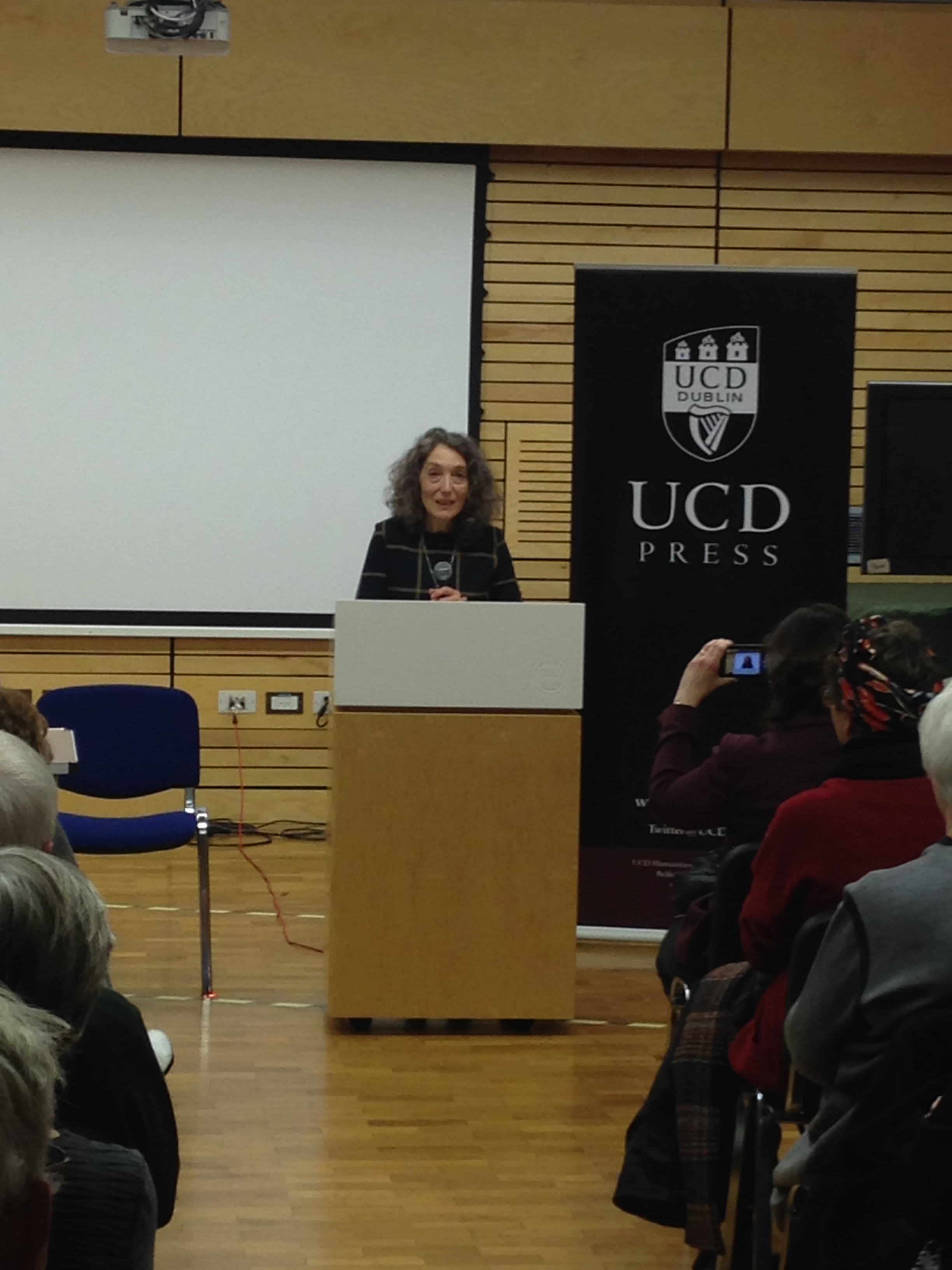

Carla King speaking at the launch Daire Keogh introducing the speakers

Micheline Sheehy-Skeffington speaking about Davitt and
her grand-father, Francis Sheehy-Skeffington
..........
Ireland’s Allies: America and the 1916 Easter Rising, edited by Miriam Nyhan Grey, was launched by Professor J. J. Lee on Monday 14 November 2016 in the Royal Irish Academy, Dawson Street. At the event, Irish Academic Press’s Modern Ireland and Revolution: Ernie O’Malley in Context, edited by Cormac K. H. O’Malley, was also launched. Both books originated at Glucksman Ireland House NYU and UCD Press was delighted to collaborate with IAP at the launch event. Below are some photographs of the memorable evening.

Cormac K. H. O'Malley and Miriam Nyhan Grey


Guests enjoying the launch

Miriam Nyhan Grey and family

Cormac K. H. O'Malley, Miriam Nyhan Grey and J. J. Lee

Maura Anand and Miriam Nyhan Grey
..........
Wonderful Sunday Times review of Mike Gibney's new bestseller:
Ever Seen a Fat Fox? Human Obesity Explored
'This is a thoughtful book from one of the most provocative and knowledgeable voices in Irish food science. Those who are tired of simplistic arguments by unqualified commentators and celebrities, and who want to really engage with the fascinating science of nutrition, will be well rewarded.'

Sunday Times Culture Magazine
Sunday 3 July 2016
..........
Imaginary Bonnets with Real Bees in Them, by Paula Meehan – the third volume of UCD Press’s The Poet’s Chair series – was launched by Eavan Boland on Wednesday 15 June 2016 in the Royal Irish Academy, Dawson Street. Paula and Eavan were joined by poets Harry Clifton and Eiléan Ní Chuilleanáin for an evening of poetry and celebration and UCD Press would like to thank everyone involved in the event. Below are some photographs of the memorable evening (courtesy of Clodagh Kilcoyne)


..........
Vivien Igoe’s The Real People of Joyce’s Ulysses: A Biographical Guide was launched in the James Joyce Centre, Dublin 1 on Thursday 9 June 2016 as part of the Bloomsday Festival 2016. UCD Press would like to thank Professor Declan Kiberd for officially launching the book and Mark Traynor of the James Joyce Centre for hosting the event. Below are some photographs of the memorable evening (courtesy of Fran Veale). The book also received considerable coverage in the Irish Times after the event and you can read an extract they published here and a review here


..........
Discussion and Launch night for Professor Mike Gibney's new book Ever Seen a Fat Fox? Human Obesity Explored
Thank you to Mike Gibney, Professor Donal O'Shea and Catherine Cleary of the Irish Times
RIA Dawson St., 24 May 2016


You can order a copy of Ever Seen a Fat Fox? at this link
..........
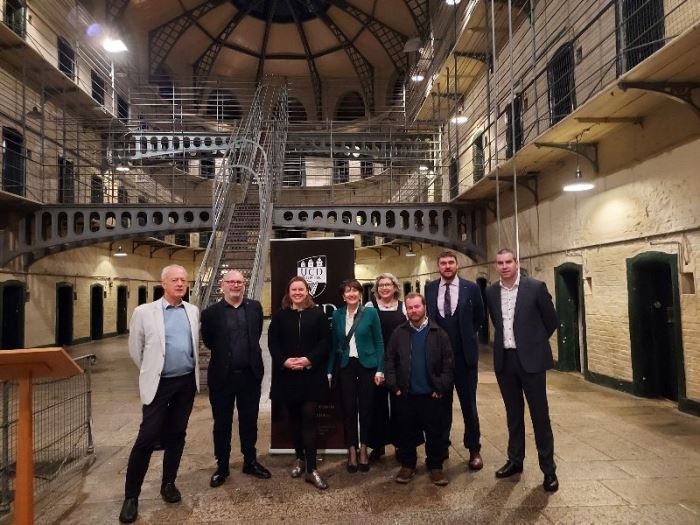
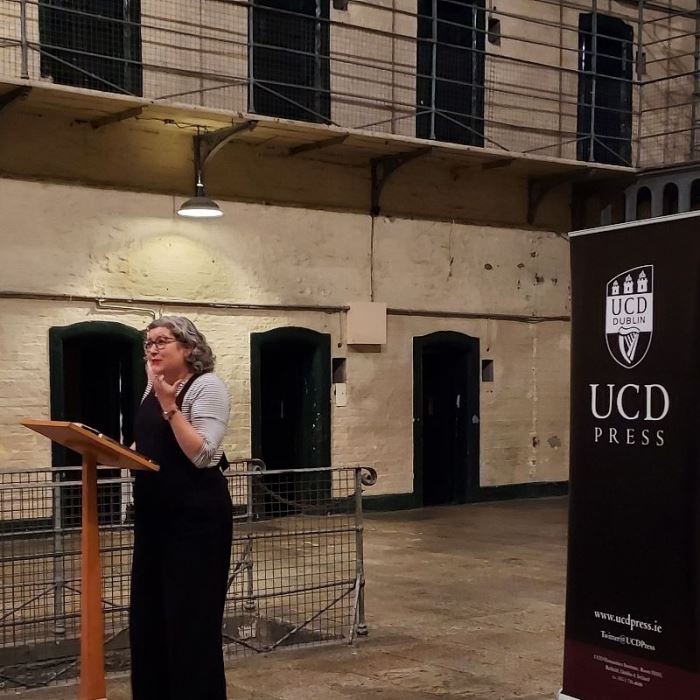
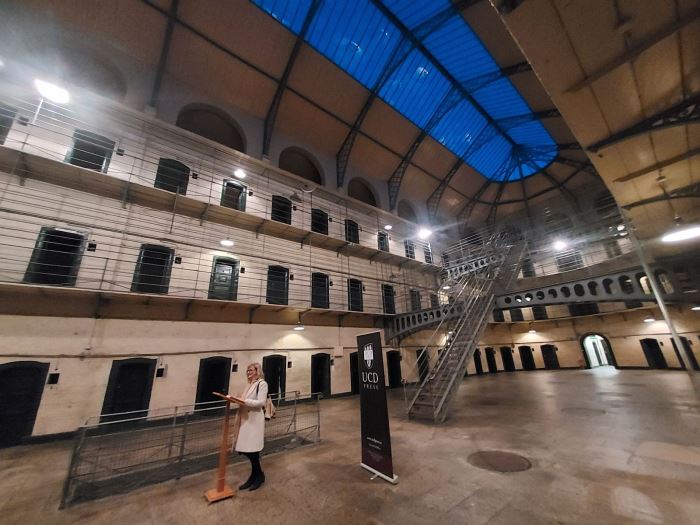
UCD Press was delighted to be involved with the theatre event Signatories, which was commissioned by UCD, produced by Verdant and directed by Patrick Mason. The play consisted of eight monologues, from eight of Ireland’s finest writers, in response to the seven executed signatories of the Proclamation and Nurse Elizabeth O’Farrell. The play was staged in Kilmainham Gaol (22–24 April 2016), the Pavilion Theatre, Dún Laoghaire (26–27 April 2016), the Civic Theatre, Tallaght (3–4 May 2016) and the National Concert Hall (5 May 2016). UCD Press published the book Signatories to coincide with the play and below are some pictures of its memorable run.

The atmospheric Kilmainham Gaol on opening night

Barbara Brennan portraying Elizabeth O’Farrell on opening night

The full cast of Signatories prepare to take a bow

Lisa Dwyer Hogg takes on the story of James Connolly

Peter Gaynor playing Padraig Pearse

The UCD Press travelling bookshop selling Signatories

Some of the writers of Signatories: Éilís Ní Dhuibhne, Rachel Fehily,
Thomas Kilroy, Emma Donoghue, Marina Carr and Hugo Hamilton

Some of the writers of Signatories, Thomas Kilroy, Frank McGuinness, Rachel Fehily,
Marina Carr, Joseph O'Connor and Hugo Hamilton, with director Patrick Mason
..........
UCD Press was delighted to attend the Larkin anniversary lecture on 28/01/16 in Liberty Hall. The lecture was presented by Emmet O’Connor on his new book Big Jim Larkin: Hero or Wrecker? and was organised by the 1913 Committee. There was a huge turnout to hear O’Connor speak on the night.

SIPTU’s Jack O’Connor introducing Emmet O’Connor to the eager crowd

Emmet O'Connor giving the Larkin anniversary lecture

Emmet O'Connor greeting Jim Larkin's granddaughter Stella McConnon at the event
..........
UCD Press hosted a wine reception in Newman House as part of a Norbert Elias conference: Social Character and Historical Processes (07/01/16). The reception was held in honour of UCD Press’s founders, Barbara and Stephen Mennell, to thank them for their years of service in the Press and to congratulate them on the completion of UCD Press’s The Collected Works of Norbert Elias.

Barbara and Stephen Mennell with the 18 volumes of The Collected Works of Norbert Elias

Stephen Mennell speaking at the reception

Tony Fahy of UCD Press thanking the Mennells for their years of service in the Press

The crowd enjoying the reception
..........
UCD Press along with Emmet O’Connor and his family were delighted to be invited to Áras an Uachtaráin by President Higgins to present him with a copy of O’Connor’s Big Jim Larkin: Hero or Wrecker? We were treated to tea with the President and Mrs Higgins, followed by a tour of the Áras. A memorable afternoon was had by all. (06/01/16)

The festive entrance to the Áras

Emmet O’Connor presenting his book to President and Mrs Higgins

The O'Connor family with President and Mrs Higgins

Emmet O'Connor with President Higgins and UCD Press's Damien Lynam
..........
UCD Press would like to thank everyone who attended the launch of Big Jim Larkin: Hero of Wrecker? by Emmet O’Connor. The book was officially launched by Jack O’Connor, General President of SIPTU, on Tuesday 15 December 2015 in Liberty Hall. Below are some photographs of the memorable occasion.
(Images courtesy of Frank Connolly)

Copies of the book available for sale on the night

Jack O'Connor with Emmet O'Connor in Liberty Hall

Jack O'Connor officially launching the book

Emmet O'Connor explaining the importance of James Larkin

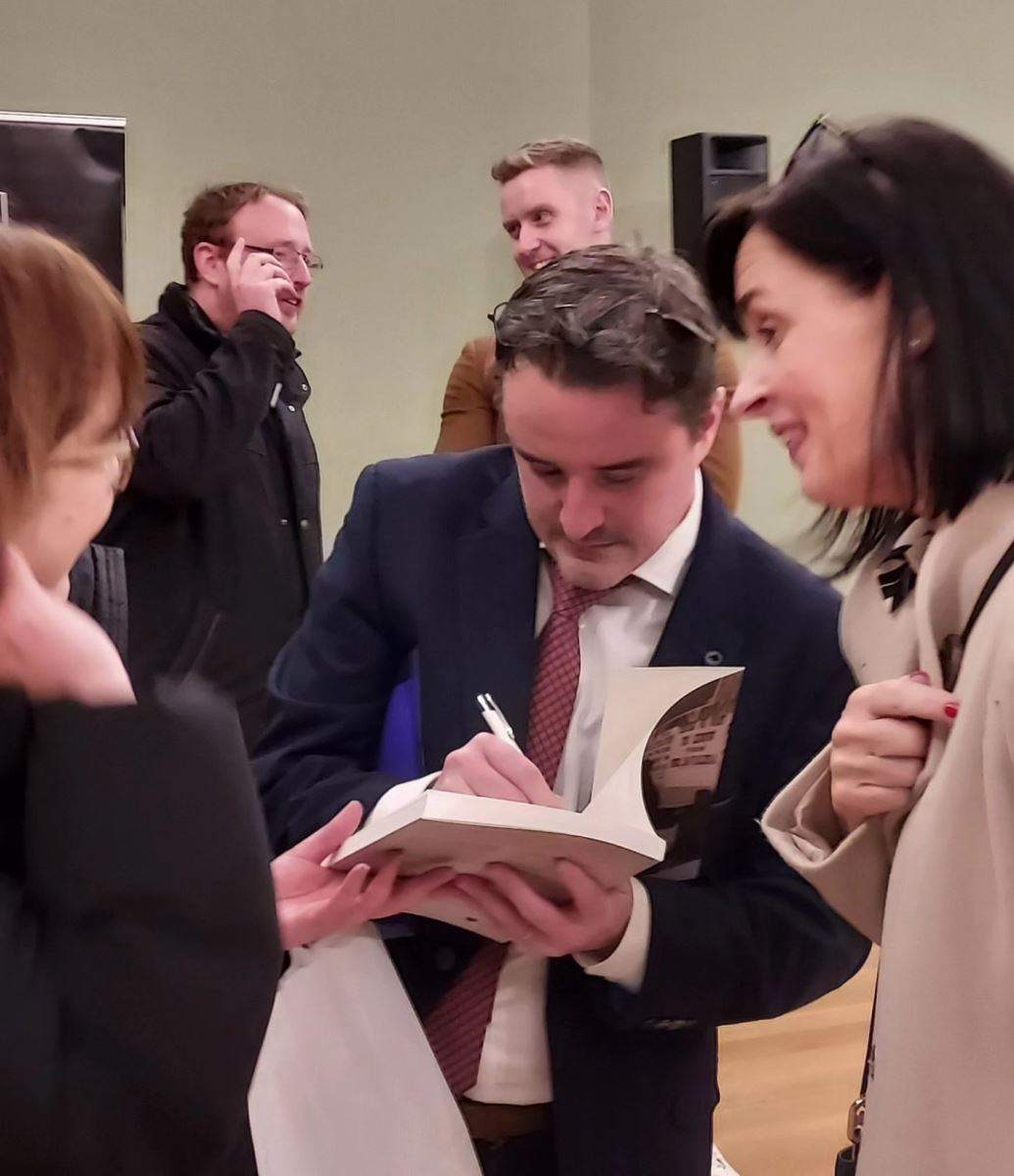
Emmet O'Connor signing books for guests
..........
UCD Press would like to thank everyone who attended the launch of Years of Turbulence, edited by Diarmaid Ferriter and Susannah Riordan. The book was in honour of Michael Laffan and was officially launched by Tom Dunne, of UCC, on Thursday 3 December 2015 in Newman House. Despite the wet and windy weather there was a fantastic turnout and a great evening was had by all. Below are some photographs of the memorable occasion.
(Images courtesy of Michael Kennedy)

Susannah Riordan, Michael Laffan, Diarmaid Ferriter and Tom Dunne posing with the book

The packed Physics Theatre in Newman House where the launch took place

Tom Dunne officially launching the book

Tony Fahy and Michael Laffan enjoying Tom Dunne's entertaining speech

Tom Dunne and Michael Laffan sharing a joke

Susannah Riordan, Marie Coleman, Michael Laffan and Conor Mulvagh
enjoying the evening

Michael Laffan with honoured guest Liam Cosgrave

Michael Laffan thanking the editors and contributors of Years of Turbulence

Catriona Crowe in conversation with Michael Laffan

Ivar McGrath with the youngest guest of the evening

A great night was had by all
..........
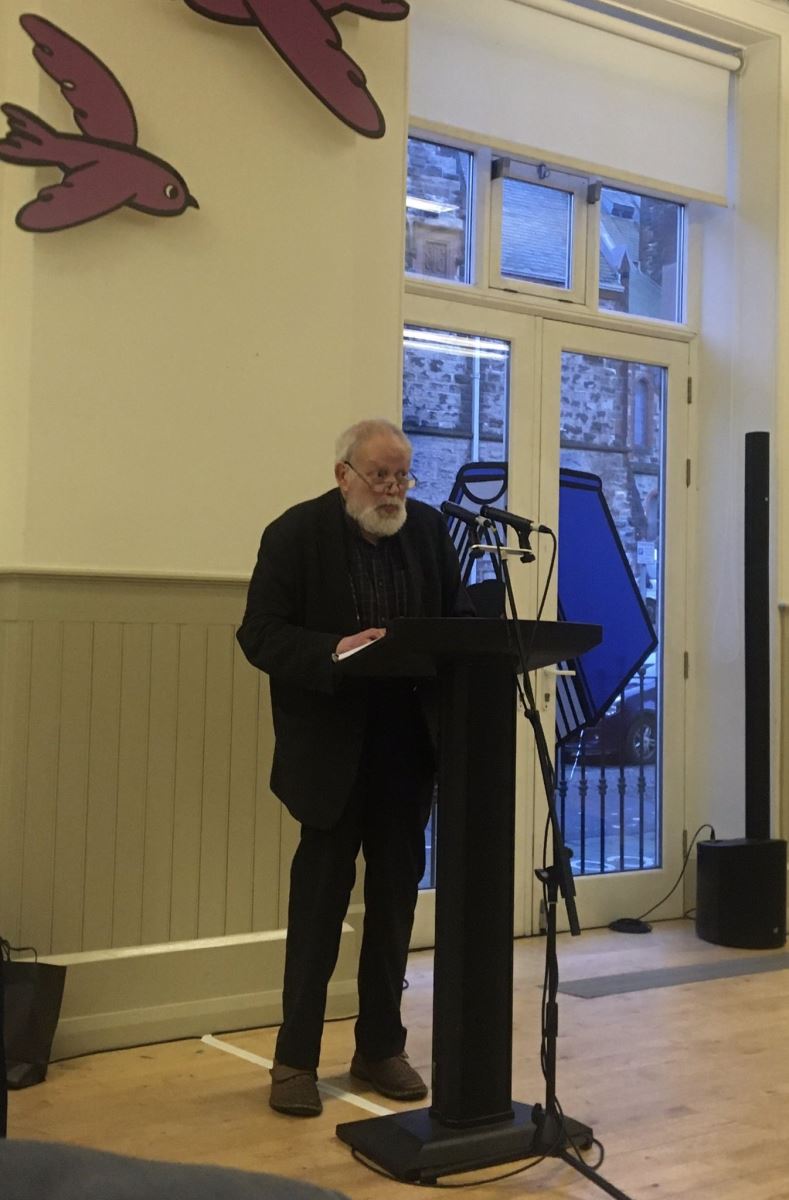
UCD Press would like to thank everyone who attended the launch of Harry Clifton's Ireland and Its Elsewheres, which took place on Saturday 14 November 2015 as part of a Dublin Book Festival event in Smock Alley Theatre. Harry Clifton, Paula Meehan and Michael Longley were in conversation with Arminta Wallace of The Irish Times, followed by a reception where Arminta officially launched Harry's book. You can listen to a podcast of the event here and below are some photographs

Arminta Wallace in conversation with Harry Clifton, Paula Meehan and Michael Longley

Harry Clifton and Paula Meehen

Paula Meehan and Michael Longley

Harry Clifton with Ireland and Its Elsewheres

Guests listen to Harry Clifton in the beautiful surroundings of Smock Alley

Arminta Wallace officially launching the book

Edna Longley, Michael O'Loughlin, and Noelle Moran of UCD Press at the launch

Guests enjoying the event

Harry Clifton ready to sign books for guests
..........
The Poet's Chair
at the
Dublin Book Festival 2015
Harry Clifton's new book IRELAND AND ITS ELSEWHERES will be launched as part of a Dublin Book Festival event (€5/€3 concession) where Arminta Wallace of the Irish Times will be in conversation with Harry Clifton, Paula Meehan (current Chair of Poetry) and Michael Longley on
Saturday 14 November 2015,
2.15–3.30 pm
Boys’ School, Smock Alley Theatre,
Temple Bar, Dublin 2
Light refreshments will be provided at a reception following
the event. Please see www.dublinbookfestival.com for more
information and to purchase tickets
ALL WELCOME

..........
Irish Examiner review of One Wide Expanse
Saturday, August 29, 2015
Review: Thomas McCarthy
MICHAEL LONGLEY is one of the most popular Irish poets of the modern era.

Michael Longley,
UCD Press and The Ireland Chair of Poetry
Launch of Poet's Chair series
RIA, 11 June 2015
Opinionated yet calm, cushioned within the Ulster establishment yet as liberal as any dissident, he has drawn thousands of readers to his poetry of fearsome integrity.
He endured Belfast during the Troubles, accepting his lot in the sure knowledge that Ulster was home and Ulster was the only homeland his young family understood. We who live so far south have no idea what he endured during those years; it was an era when young middle-class Ulster couples answered the doorbell together, so that they might die together if the caller was a gunman.
If Belfast writers seem to have an uncanny moral strength, a strength that seems to give them a career advantage, it’s just that they’ve twice survived a Blitz: first it was the Luftwaffe and then it was the terrorists. An Emergency or a Bank Crisis is no match for that blue rinse of Ulster endurance.
One Wide Expanse is an inspired title, combining as it does the memory of Keats’ great sonnet
‘Oft of one wide expanse had I been told
That deep-brow’d Homer ruled as his demesne;
Yet did I never breathe its pure serene
Till I heard Chapman speak out loud and bold ...’
Unlike poor Keats, Longley knows his Greek; his Chapman being the great WB Stanford of TCD. Stanford, it must be said, is one of the few Irish Classical scholars to rescue the memory of Francis Sylvester Mahony/Father Prout from our contemporary Cork sea of ignorance.
In Stanford’s Ireland and the Classical Tradition Mahony’s Reliques of
Father Prout is particularly honoured.
Such was the intellectual depth of the man who deepened Longley’s encounter with Homer, an encounter that had begun at Belfast Institute where he already owned a well-thumbed copy of Stanford’s Odyssey. “I have been haunted by Homer for 50 years,” says Longley in a terrific lecture printed here, one of the three lectures that were part of his duty as Ireland Professor of Poetry.
This book contains all three lectures, with accompanying bibliography and notes on texts. These books from the Ireland Chair of Poetry will, over time, constitute a prodigious handbook of poetic craft. Longley is particularly unsentimental and searching, showing us here, for example, how the template laid down by Homer created an aesthetic through which he could handle the Troubles imaginatively.
Poetry in conflict is always problematic; the secret is to hold the rhetoric back, to be more like Yeats and less like Pearse, to be more like Auden and less like John Cornford, to be more like Lowell and less like Fr Berrigan.
While patriots and activists may be passionately sincere, poetry needs more than that — passive suffering is never enough. In Longley’s case, The Shankill Butchers of Martin Dillon’s book become transfigured as Homer’s Odyssean crew slaughtering the suitors in Book XXII of The Odyssey; and Book XXIV where Hermes accompanies the ghosts of the slaughtered into the Underworld.
This poem astonished its first readers. In the August of the IRA ceasefire in 1994, Longley was reading that part of the Odyssey where King Priam visits the tent of Achilles to recover the body of his slaughtered son Hector: ‘I get down on my knees and do what must be done/And kiss Achilles’ hand, the killer of my son’. No further comment is necessary, as they say. But this is Michael Longley’s immense subtle power.
The same power is recorded in the other lectures here. What may have begun as a very fine idea to record the voices of these distinguished poet-Professors has now developed into a UCD master-class on the craft of poetry.
................
'In this first volume of The Poet’s Chair, the distinguished Irish poet Michael Longley – whose poetry has transcended political and cultural boundaries throughout his career – reflects on what has influenced his craft.
One Wide Expanse gives readers a rare insight into the creative process of one of Ireland’s leading contemporary poets who was Ireland Professor of Poetry from 2007 to 2010.'
Read the article here

Donegal Democrat
September 2015
................
UCD Press would like to thank everyone who attended the launch of Michael Longley’s One Wide Expanse, which took place on Thursday 11 June 2015 in the Royal Irish Academy. The book is the first volume in UCD Press’s ‘The Poet’s Chair’ series in collaboration with the Ireland Chair of Poetry. Fintan O’Toole was guest speaker at the event and the last three Ireland Professors of Poetry, Michael Longley, Harry Clifton and Paula Meehan, all spoke on the night. A memorable time was had by all and below are some photographs
(photo credit: Dylan Madden)

Harry Clifton, Michael Longley and Paula Meehan before the event

Harry Clifton, Paula Meehan, Fintan O'Toole and Michael Longley getting ready to speak at the event

Marie Heaney with her copy of One Wide Expanse

Harry Clifton enjoying the event

Fintan O'Toole and Michael Longley sharing a joke on stage

Michael Longley signing his new book for guests

UCD Press with former Irish President Mary Robinson

Paula Meehan talking with guests on the night

Former Irish President Mary Robinson with Michael Longley and Marie Heaney
................
UCD Press would like to thank everyone who came to the launch of Ireland's Harp, by Mary Louise O'Donnell, on Monday 29 June 2015 in the Royal Irish Academy. The book was officially launched by Professor Mícheál Ó Súilleabháin of the University of Limerick. Below are some photographs of the event.

Guests assembling in the stunning RIA for the launch

Leslie Daly of UCD Press with author Mary Louise O'Donnell

Professor Mícheál Ó Súilleabháin officially launhcing Ireland's Harp

Guests enjoying the memorable evening

Mary Louise O'Donnell taking some time to sign her new book for guests
................
A great night was had by all on Bloomsday 2015 at the Characters in Conversations event organised by the UCD Alumni office. The event featured seven contributors from our recently published Voices on Joyce who discussed James Joyce from a variety of perspectives. Below are some photos of the memorable and lively evening.

Voices on Joyce's Jospeh Brady, Adrian Hardiman, Conal Hooper, Gerardine Meaney, Christopher Murray, Cormac Ó Gráda and Harry White discussing Joyce

Helena and Angie Harvey, Declan Sweeney, Nadine Shinkwin and Ann Marie Harvey enjoying the event

Eileen and Tom O Keefe getting into the spirit of Bloomsday

Voices on Joyce contributor Joseph Brady discussing Joycean Dublin

The seven Voices on Joyce contributors who took part in the event
................
Great review of Young Ireland and the Writing of Irish History, by James Quinn, in The Irish Times (20/06/15). Read the full review here

................
UCD Press requests the pleasure of your company at a reception to celebrate the publication of
Ireland's Harp: The Shaping of Irish Identity c. 1770–1880
by Mary Louise O'Donnell

................
Great coverage of our new Voices on Joyce last weekend in The Irish Times (13/06/15) with a stunning review by Terence Brown and an extract from Declan Kiberd’s essay, ‘Ulysses and Us’

................
UCD Press would like to thank everyone who came to the launch of Voices on Joyce, edited by Anne Fogarty and Fran O’Rourke, last Tuesday 9 June 2015 in Newman house. The book was officially launched by Professor Luke Gibbons of NUI Maynooth who gave a very thoughtful and insightful speech, and beautiful music was provided by Fran O’Rourke and John Feeley. Below are some photographs of the memorable evening

The editors of Voices on Joyce, Anne Fogarty and Fran O'Rourke,
enjoying the sun before the launch

British Ambassador to Ireland Dominick Chilcott with Anne Fogarty,
Fran O'Rourke and Noelle Moarn of UCD Press

Barry McGovern, Leslie Daly, and Voices on Joyce contributor Michael Laffan

Martina Devlin, Fran O'Rourke and John Feeley

Professor Luke Gibbons, who launched the book, enjoying the evening with guests

The Physics Theatre in Newman House was full for the launch
................
UCD Press requests the pleasure of your company at a reception to celebrate the publication of
The Poet's Chair: Writings from the Ireland Chair of Poetry
One Wide Expanse
by Michael Longley

................
UCD Press requests the pleasure of your company at a reception to celebrate the publication of
Voices on Joyce
ed. by Anne Fogarty & Fran O'Rourke

................
Follow the link below for a fascinating interview with Professor Stephen Mennell about Norbert Elias and his work on The Collected Works of Norbert Elias
Interview with Professor Stephen Mennell

................
A great evening was had by all at the launch of Young Ireland and the Writing of Irish History, 29 April 2015. Many thanks to all who attended and here are some snaps from the night

Ciaran Brady of TCD with the author, James Quinn

Guests enjoying themselves in the stunning RIA, which housed the launch

Leslie Daly of UCD Press welcoming guests to the launch

Ciaran Brady officially launching the book

Author James Quinn talking about the Young Irelanders and his book

James Quinn signing his new book for guests
................
UCD Press requests the pleasure of your company at a reception to celebrate the publication of
Young Ireland and the Writing of Irish History
by James Quinn

ALL WELCOME
................
UCD Press recently visited Áras an Uachtaráin to present President Higgins with Irish Homes and Irish Hearts (20/04/15)
UCD Press, along with several sisters of the Poor Servants of the Mother of God, were delighted to be invited to Áras an Uachtaráin by President Higgins to present him with a copy of Irish Homes and Irish Hearts by Fanny Taylor, edited by Mary McAuliffe. We were treated to tea with the President where he discussed the importance of Fanny Taylor’s educational, philanthropic and medical work in mid-nineteenth-century Ireland. After tea, we were lucky enough to receive a tour of the Áras.

President Higgins being presented with the book

Sisters of the Poor Servants of the Mother of God with the President

The sumptuous setting for the afternoon tea

Being treated to a tour of the Áras
................
Some snaps of our recent US launch of The Encyclopaedia of Music In Ireland (24/02/15)

The American Irish Historical Society, 5th Avenue, New York, which housed the launch

Colm Tóibín officially launching the book in America

Consul General, Barbara Jones, praising EMIR on the night

EMIR's general editors, Barra Boydell and Harry White, with UCD Press's Noelle Moran and Chris Cahill of the AIHS

Greg Harrington entertaining guests at the event

EMIR proudly displayed on the night
................
Colm Tóibín is launching The Encyclopaedia of Music In Ireland in America. The historic American Irish Historical Society, 5th Avenue, New York, is hosting this landmark event.

................
A warm review of Maintaining a Place: Conditions of Metaphor in Modern American Literature
from
Kit Fryatt, Mater Dei Institute of Education, January 2015:
‘Maintaining a Place does an excellent job in suggesting why Callan's teaching, mentorship and scholarship is so important to academics and writers in Ireland and beyond: it reflects his wide interests, questioning approach and personal sincerity. Thoughtfully arranged and attractively produced, it can also, unlike many volumes of the Festschrift type, be confidently recommended to general readers with an interest in American literature.’
read the full review here:


................
ALL INVITED TO A FESTIVE CELEBRATION AT 27 SOUTH WILLIAM STREET

................
A great evening was had by all at the launch of Maintaining a Place, 14 November 2014. Here are some snaps of the event for those who couldn't make it

The man of the night, Ron Callan, with his wife Breda

Nicholas Daly officially launching the book

One of the book's editors, Fionnuala Dillane,
praises the work of Ron Callan

The stunning Royal Irish Academy, which housed the event

The launch was enjoyed by people of all ages
................
UCD Press requests the pleasure of your company
at a reception to celebrate
the publication of
The Last Cavalier

................
Advance copies of Maintaining a Place have just arrived, no better time to extend an invitation to the book's launch

................
Great coverage of Frank Aiken's War and The Last Cavalier in The Irish Catholic this month

................
The Encyclopaedia of Muisc in Ireland editors, Harry White and Barra Boydell, have been awarded the Harrison Medal by the Society of Musicology in Ireland

................
Nice review of A Labour History of Ireland 1824–2000 in Labour History this month

................
Great coverage for two of our 2014 titles in the Irish Times this October:
John Berryman's Public Vision
‘John Berryman’s Public Vision allows the poet to be seen in a radically new way that also challenges the confessional label that has stuck to him, and some of his contemporaries, for too long.’
Ireland's Czar
‘This substantial and authoritative book argues that the “bifurcated government” of Ireland from Westminster and Dublin Castle allowed all the odium of coercion to fall on Spencer.’

................
Our new book about Frank Aiken gets a great review in the Evening Echo:
Frank Aiken's War
‘[Frank Aiken’s] role in the revolutionary period is subject to close examination by Matthew Lewis in a book that shows its academic origins in the detail presented, but which succeeds in fleshing out the life of an individual who was formative in the birth and development of the state.’

................
A wonderful review of our Encyclopaedia of Music in Ireland (EMIR)
in CHOICE September 2014
(Choice: Current Reviews for Academic Libraries):
‘… it is the ideal starting place for anyone seeking to learn more about Irish music topics. As a guide to the unique universe of Irish music scholarship, it will remain indispensable for years to come.’

More than 22,000 academic librarians, faculty, and key decision makers rely on the reviews in Choice magazine and Choice Reviews Online for collection development and scholarly research. Choice reaches almost every undergraduate college and university library in the United States.
..............................
UCD Press requests the pleasure of your company
at a reception to celebrate
the publication of
Nation/Nazione
Irish Nationalism and the Italian Risorgimento
The James Hardiman Research Building,
Room GO11
NUI Galway
Galway
at 5pm on Tuesday 14th October.
It will be launched by
H. E. Mr. Giovanni Adorni Braccesi, the Italian Ambassador to Ireland
RSVP
anne.oconnor@nuigalway.ie

Announcement on NUIG website
http://www.nuigalway.ie/mooreinstitute/home/events/115/
..................
UCD Press requests the pleasure of your company
at a reception to celebrate
the publication of
John Berryman's Public Vision

................................
The ACIS/CAIS (American & Canadian Conference for
Irish Studies) Joint Conference
Latitudes: Irish Studies in an international context
which was held in UCD in June 2014
UCD Press was proud to be a part of the publishers' section to showcase academic and trade publishing at its best.
Here is a picture of our table with some of our latest
publications on show:

A wonderful showcase of Irish Studies international research. Thank you to the organisers and coordinators of the events.
................
Photos from the launch event of Aspects of Irish Aristocratic Life at NUIM Library,
Thursday 8 May (courtesy of Alan Monahan NUIM Library).


Professor Marian Lyons with Hon. Desmond Guinness

Professor Terence Dooley, co-editor of Aspects of Irish Aristocratic Life

A lovely turn out with many attending from the Centre for the Study of Historic Irish Houses Conference on the Big House and WWI


Professor Dooley and the Hon. Desmond Guinness


Professor Raymond Gillespie, Helen O’Connor and other guests


A video of the event link here:
www.youtube.com/watch
Also a very big thank you to Mary Ann Lyons, NUIM, for a
wonderful speech at the launch in Maynooth:
I am delighted to have been asked to launch this beautifully produced illustrated collection of 19 essays by both established and emerging scholars, which draws together much of the most recent research on the FitzGerald family who for almost 800 years were Ireland’s leading noble family.
We are very much in the debt of Terence Dooley and his co-editors, Patrick Cosgrove and Karol Mullaney-Dignam, for their organisation of the highly successful conference at Carton House in September 2010 – from which this volume originated – and for their painstaking work in bringing the collection to fruition.
Reflecting the history of the family, the volume falls into two parts, the first dealing with the family’s gradual ascent as Earls of Kildare to being Ireland’s leading magnates, based at Maynooth Castle, down to the 1530s; the second focussed on their recovery and prosperity as dukes and duchesses of Leinster, with their seat at Carton.
Terence Dooley opens with an exposition of the history of the FitzGeralds in Ireland that creates the essential interpretative framework for what follows, outlining the vicissitudes of the family, their demise in the mid-1530s and their recovery at their new set of Carton in the mid-eighteenth century.
Tracing the evolution of the manor of Maynooth down to the mid-eighteenth century, Raymond Gillespie urges his readers to re-imagine the form of Carton landscape before it became the Carton of today.
My own piece on the family’s political ascendancy from 1470 to their dramatic fall in 1534 is complemented by Carol O’Connor’s pioneering study of Mabel Browne, Countess of Kildare in the late-sixteenth and early-seventeenth century which takes us beyond the simple narrative of the family’s history to look at broader issues of gender, power and social networks that shaped the political relationship between Ireland and England.
Next Colm Lennon presents a fascinating study of how in the era of their ascendancy, the FitzGeralds fashioned an historical narrative and public image that self-consciously celebrated their glorious past as part of their strategy to retain their power in Irish political life.
One of the main strengths of this collection is its richness and diversity both in terms of the subjects covered and in the approaches taken by the contributors. This is perhaps most evident in the second part of the book which deals with the FitzGeralds at Carton.
William Laffan and Brendan Rooney’s essay exploring the second duke of Leinster’s commission of six views of Carton demesne by Thomas Roberts during the 1770s is complemented by Alison FitzGerald’s essay on the material culture of Carton, in which, in addition to discussing pieces of art, Alison introduces us to a range of fascinating objects and curiosities such as freedom boxes that adorned the Leinster’s home in the late nineteenth century.
Karol Mullaney-Dignam’s ground-breaking essay on music at Carton in the eighteenth and nineteenth centuries does much to enhance our understanding of rural sociability for the Irish landed élite in this period, offering a wealth of evocative and colourful images of evenings of dancing, music and high society fashion in the drawing room of Carton.
These multifaceted contributions, combined with Terence Dooley’s essay on the lives of servants employed at the house, increase the scholarly reach of this volume and help to ensure that this is a more balanced history of the house and family than might otherwise be the case.
Essays by historical geographer Arnold Horner on the development of Maynooth, the interaction between the big house and the village, and the fashioning of Carton landscape, also represent a particularly valuable contribution to scholarship.
No volume on the history of Carton and the FitzGeralds would be complete without an essay on Lord Edward FitzGerald and his involvement in the 1798 Rebellion. Liam Chambers provides a nuanced and deftly contextualised study of the tensions that Edward experienced between the FitzGerald family’s politics on the one hand, and his personal revolutionary convictions on the other. Chambers shows that Lord Edward was neither the pawn of malevolent radicals nor the innocent victim of circumstances, and in the process, gives us much to contemplate in terms of our assumptions about this romanticised figure in Irish history.
Elizabeth Heggs’s essay on Whig politics and the third duke of Leinster and Tom Nelson’s contribution on Lord Frederick Fitzgerald’s involvement in local politics in County Kildare during the late-nineteenth and early-twentieth centuries shed valuable light on the family’s participation in public life in what were to be the twilight years of the dynasty.
Terence Dooley’s essay – the second last in the volume – details with great sensitivity and poignancy the succession of tragedies that befell the FitzGerald family from the early 1890s, including the death of the fifth duke from typhus aged just 42, followed by the death of his beautiful wife, Hermione, less than two years later, at the age of 31, the subsequent deaths of their two eldest sons, and the sequence of events which gave rise to the money-lender extraordinaire, Henry Mallaby-Deeley’s ownership of Carton from 1922 until his death in 1937.
Christopher Ridgway completes the volume with a lively reflection on the transformation of Carton house and demesne in more recent decades.
It is worth noting that many of the essays featured in this volume address issues of significance to the broader social and economic history of Ireland: Cormac Begadon’s contribution on the establishment of St Patrick’s College, and Ciarán Reilly’s and Patrick Cosgrove’s essays exploring aspects of land tenure and reform, are particularly strong in this regard.
This volume is enriched by the inclusion of a beautifully crafted foreword by the Honorable Desmond Guinness, a great friend to the Centre for the Study of Historical Irish Houses and Estates over many years.
His piece in which he shares the very personal story of his connection with Carton in the late 1950s, recounting how in his early married life, two of his children, Patrick and Marina, were born there, his story about the butler’s excitement at the visit of Gerald FitzGerald and his wife to lunch, and his recollection of founding the Irish Georgian Society there in 1958 lends a note of nostalgia, of affection and at times, poignancy, to the collection.
Desmond Guinness’s recollection of family life in Carton reminds us that this was, first and foremost, the home to generations of FitzGerald children
To conclude. This book has needed to be written for a long time. As the title indicates, the project is appropriately ambitious in its brief, setting out to cover the best part of a millennium but making no claim to do so comprehensively. Rather, very sensibly, the editors thought it more appropriate to put together a volume in which the essays add to existing scholarship on the aristocracy in general in Ireland, and also provide the general reader with a narrative account of the FitzGerald’s long and illustrious history. They have done so in the hope that this collection will stimulate further research into the world of the aristocracy in Ireland: undoubtedly it will do so for years to come.
I therefore conclude by thanking the editors, and Noelle Moran and the staff at UCD Press for giving us such a fine publication which I am pleased to warmly recommend to you.
................
Some positive reviews of recent UCD Press titles:
Nation/Nazione in The Irish Catholic, January 2014
'This book will interest everyone concerned not only with the creation of modern Italy, but to the interactions over the course of the 19th Century of the emerging states of the European Community with interactions and interrelations that were both conflicting and fruitful.'
Terence O’Neill in The Dublin Review of Books, 16 December 2013
'We are indebted to Marc Mulholland in this cogent and well-written reassessment for a glimpse of what “might have been”'
War of Words: Culture and the Mass Media in the Making of the Cold War in Europe in Choice, February 2014
‘This collection belongs in any good collection of Cold War history. Summing up: Highly Recommended.’
Parnell Reconsidered in The Dublin Review of Books, December 2013
'For Parnellites and who is not a Parnellite today? this is a highly recommended collection of essays by some of the leading historians of today's Ireland'
The Encyclopaedia of Music in Ireland in The Irish Times, 23 November
2013
'The Encyclopaedia of Music in Ireland is practical in its structure but also poetic in its generosity. As such it has transformed the labyrinth of the knowledge of music in Ireland into a readable map spanning the territory. It has had a new go at the business and, in so doing, given us all cause to celebrate.'
The Queen of the Hearth in The Irish Catholic, January 2014
'in an extensive introduction the editor, Dr Philip O’Leary, provides a valuable account in English of the author of the manuscript, Fr Patrick Dinneen, the distinguished lexicographer. This will be of interest to generations of students who came to know Pádraig Ó Duinnín through his Foclóir Gaedhilge agus Béarla but never acquired any further information about him.'
Some very positive reviews of UCD Press titles in the Irish Economic and Social History Vol. XL 2013.
Note the full reviews can be read at this link:
Irish Economic and Social History Vol. XL 2013
A look at the importance of Festschrifts for Irish historians on p 86 includes Ireland's Polemical Past: Views of Irish History in Honour of R.V. Comerford and People, Politics and Power: Essays on Irish History 1660-1850 in Honour of James I. McGuire
On p 148 The Irish Lord Lieutenancy c.1541-1922 gets a very positive review.
‘Gray and Purdue’s accomplishment in bringing the very diverse and varied constitutional role of the Lord Lieutenant, in the long run, under historical analysis for the very first time. The broad scope of this book, on the political, social, and religious aspects of the Lord Lieutenancy will make this work an essential piece of reading for many different types of historians studying Ireland in the future.’
On p 191 Emmet O’Connor’s A Labour History of Ireland 1824-2000 also receives a very positive analysis:
‘A Labour History of Ireland, in short, is a stunning achievement. In both breadth of
research and depth of analysis, this volume is unrivalled in Irish labour history.
To deploy a cliché, this is essential reading for the specialist and the general
reader alike.’
And finally on p 196 O’Malley’s Military Aviation in Ireland, 1921-45 is praised for the originality of approach:
‘The vast majority of aviation literature from the interwar period is filled with stories of daring heroic pilots and their epic flights, technological advances, the decline of military air power in the post-war period and its incredible growth on the pathway to the Second World War. Aircraft became critical battlefield tools that laid waste to military and civilian targets. As one reads through the pages of this book you will encounter none of these tales. Therein lies the importance of O’Malley’s work.
It is a well-researched book on a topic that seems to have limited documentary evidence. … He breaks new ground in aviation history by avoiding a triumphant story.’
................
Some more Encyclopaedia of Music in Ireland media
Sunday with Gay Byrne (from 1 hour 30 minutes) 17 November 2013
RTE Radio Arena Interview Monday 14 October 2013
Barra Boydell on Talking History (from 26 minutess) Sunday 13 October 2013
..............
Here is a copy of President Michael D. Higgins's speech from the launch of The Encyclopaedia of Music in Ireland at The Freemasons’ Hall, Friday 4 October
Presidents remarks at the launch of The Encyclopaedia of Music in Ireland
..............
Professors Harry White and Barra Boydell talk to RTE's Alan Corr about The Encyclopaedia of Music in Ireland
www.youtube.com/watch
................
Listen to Harry White discussing The Encyclopaedia of Music in Ireland
on Today with Sean O'Rourke,
Monday 7 Oct.
soundcloud.com/ucd-research
.................
President Michael D. Higgins
successfully launched The Encyclopaedia of Music in Ireland
at The Freemasons’ Hall, Friday 4 October
UCD PRESS
would like to thank everyone who attended.
Some pictures of the event below:

President Michael D. Higgins with editors Barra Boydell, ex Professor in the Department of Music at NUI Maynooth and Harry White, Professor of Music at UCD launched The Encyclopaedia of Music in Ireland at The Grand Lodge Room, Freemasons' Hall in Molesworth St, Dublin, 4 Oct.

Professor Gerard Gillen, Claire Bean Uí Mhadagain and Breandán Ó Madagáin at the launch of The Encyclopaedia of Music in Ireland

Síle Denvir, Daithí Kearney and Gwen Moore at the launch of The Encyclopaedia of Music in Ireland

Robert Yeo, Siobhan Kilkelly and Yo Tomita at the launch of The Encyclopaedia of Music in Ireland.

Dr Tim Collins and Theresa McIntyre, both from NUI Galway at the launch of The Encyclopaedia of Music in Ireland

Mairead Hurley, DIT, David Mooney, DIT and Una Hunt, DKIT at the launch of The Encyclopaedia of Music in Ireland

Dr Adele Commins, Head of Music, DKIT, Dorothy Conaghan, UCD and Dr Triona O'Hanlon, DIT at the launch of The Encyclopaedia of Music in Ireland

Roy Johnston, Institute of Physics in Ireland, editor Barra Boydell, ex Professor in the Department of Music at NUI Maynooth and Meabh Ní Fhuarthain, NUI Galway at the launch of The Encyclopaedia of Music in Ireland

Martin Loftus, Margaret Daly-Denton,TCD and Anthony Harvey, RIA at the launch of The Encyclopaedia of Music in Ireland

Dr Susan O'Regan, CIT Cork School, John Moulden and Dr Nuala McAllister, University of Ulster at the launch of The Encyclopaedia of Music in Ireland

Felix Larkin, Dr Meabh Ní Fhuarthain, NUI Galway, Prof Fintan Vallely, UCD and Maeve Gebruers, ITMA at the launch of The Encyclopaedia of Music in Ireland

Editor Harry White with his wife Xiao Mei at the launch of The Encyclopaedia of Music in Ireland
....................
A first look at our advance copy of The Encyclopaedia of Music in Ireland


....................
UCD PRESS
would like to thank everyone who attended the launch of
PARNELL RECONSIDERED
by DONAL MCCARTNEY AND PAURIC TRAVERS
Woodenbridge Avoca Hotel
Thursday, 15 August 2013
Some pictures of the evening below:

Guest Speaker: John J. Horgan, Press Ombudsman alongside author Felix Larkin

Guests at the launch of Parnell Reconsidered

General Editor Donal McCartney with guests at the launch

General Editor Pauric Travers with guest speaker John J. Horgan
......................
A very favourable review of Mike Gibney's Something to Chew On
from the Wall Street Journal
16 July, 2013:
Something to Chew On Wall Street Journal July 16 2013.pdf
......................
In February 2013 Mike Gibney delivered a talk on nutrition
discussing some of the main themes of his ground-breaking book Something to Chew On as part of the 'Authors at Google' series.
See the video link below:
Mike Gibney: Authors at Google
February 21st 2013
......................
Soon to be launched:
The Encyclopaedia of Music in Ireland (EMIR)
Launch date: September 2013

Download the announcement flyer
See the video link below of RTE Six One News
announcement of EMIR
on 3 July, 2013
RTE SIX One News announcement of the EMIR publication on Wed 3rd July 2013
......................
The 2013-14 UCD Press Catalogue is now available for download.
This catalogue includes new and forthcoming titles that are not yet on the site. Feel free to browse and/or download from this link:
Download UCD Press Catalogue 2013-14
We are happy to send the latest catalogue to anyone interested in receiving a copy or copies by post. Please email me your full postal address and I will pop one in the post to you immediately.
UCD Press ucdpress@ucd.ie
......................
UCD PRESS
would like to thank everyone who attended the launch of
Something to Chew On
Challenging Controversies in Food and Health
by MIKE GIBNEY
Director of the Institute of Food and Health at University College Dublin
Newman House, 86 St Stephen's Green, D2
Tuesday, 19 June 2012
some pictures of the evening courtesy of Sinead Gibney:


Professor Mike Gibney and Des Bishop who kindly launched the book

The book is available here www.ucdpress.ie/display.asp
----------------------------------------------
Scholarcast
just launched by UCD Press
Scholarcast allows you to listen to and view interviews, talks and lectures by UCD Press authors. Just click on the 'scholarcast' button at the top of the homepage. Also you can simply click on the book or author you are interested in and hit 'play'.
click here to listen to the latest interviews and talks
by UCD Press authors
----------------------------------------------
UCD PRESS
would like to thank everyone who attended the launch of
ROSAMOND JACOB
Third Person Singular
by LEEANN LANE

Newman House, 86 St Stephen's Green, D2
Monday, 13 December 2010
some pictures of the evening courtesy of Derek Speirs:


Guests at the launch of Rosamond Jacob Catriona Crowe, Dr William Murphy
and author Leann Lane


Catriona Crowe and author Leeann Lane

Dr Mary McAuliffe, Dr Moynagh Sullivan
& guests, 13 Dec. 2010, Newman House

Professor Tom Dunne with Leeann Lane
Here is a copy of Catriona Crowe's speech from the launch:
I am not Prince Hamlet, nor was meant to be;
Am an attendant lord, one that will do
To swell a progress, start a scene or two,
Advise the prince; no doubt, an easy tool,
Deferential, glad to be of use,
Politic, cautious, and meticulous;
Full of high sentence, but a bit obtuse;
At times, indeed, almost ridiculous-
Almost, at times, the Fool.
The Love-song of J Alfred Prufrock, TS Eliot’s first great poem, contains these lines, where the narrator proclaims his place in the world as ancillary, mildly useful, slightly pompous, slightly stupid, virtuous, timid; in all, an ordinary life with no pretensions to greatness, but saved in some measure by the narrator’s self-conscious and accurate version of himself.
Leeann Lane's superb biography of Rosamond Jacob presents us with a female life more ordinary than those we have encountered to date for the crucial years leading up to and away from the foundation of the Irish state. As of now, it is fairly inconceivable that a male life of this kind would be considered worthy of extensive biographical study. I suggest that this is an area where women's history is ahead of the game.
Rosamond Jacob was born into a Quaker family in Waterford in 1888, moved to Dublin in 1919, and died there, killed while crossing the road, in 1960. She didn't marry, had no children, was not gay. She had an unsatisfactory affair in her forties which meant a great deal to her. She never owned a house, living in rented accommodation all her life. She was involved in various ways in the cultural revival and the nationalist and feminist movements from early adulthood on, never in prominent positions.Her friends included Mrs.Pearse and Hannah Sheehy Skeffington, two of the most iconic women of the revolutionary period; she shared lodgings with Dorothy Macardle and Lucy Kingston, two interesting activists in the spheres of feminism and nationalism. She wrote three novels, two of which were published, a children’s book, a history of the United Irishmen, and a fictional biography of Matilda Tone, wife of Theobald.
So much for the bald facts. However, what makes Jacob extraordinary is the fact that she kept an almost daily diary from 1897, when she was 9 years old, to 1960, when she died. It comprises 170 "ordinary" volumes, and a final secret volume in which she is more frank about life events such as her affair with Frank Ryan. She also, usefully, sums up each year at the end of its entries. The diary has been used by a great many historians to illuminate various aspects of feminism and nationalism in the nascent independent Ireland, and as a crucial source for biographers of those she knew, like Sheehy Skeffington, Ryan and Macardle.
Now, for the first time, this extraordinary document is used to illuminate the personality who created it, tracking her life from late Victorian Waterford to the era of Sean Lemass. Leeann quotes Robert Fothergill on how diaries turn the substance of history inside out:
“ In the foreground is the individual consciousness, absolutely resisting the insistence of future historians that that it should experience itself as peripheral.” In the case of Jacob as described and analysed in this biography, the personal voice of the diarist matters as much as the major events she is describing, and her interior life becomes the main event.
And what a voice it is. Rosamond Jacob is a mixture of scorn and uncertainty, radical opinions and unsatisfied longings, excluded outsider and acute observer, pacifist and supporter of violent revolution, her own worst enemy and a good friend to others. She comes at us from all kinds of angles, some of them very uncomfortable. Because we are privileged to know her innermost thoughts, we understand how isolated and lonely she sometimes felt, as well as sharing in her moments of triumph or satisfaction. We can observe her trajectory from a sheltered Quaker childhood to the loss of her faith, her deeply instinctive feminism, and her admiration for and commitment to the nationalist cause, as well as her misgivings about some of its methods. Leeann uses her fiction as well as her diary to demonstrate her intellectual, political and emotional development, giving us a wonderfully rounded picture of a woman who lived through and participated in momentous events, but who never felt herself to be at the centre of any of them.
Like all good biographies, this one contextualises its subject, giving us the background to Quaker Waterford, Irish Parliamentary Party Waterford, and the development of the Gaelic League, Sinn Fein and suffrage groups in the city. Jacob was involved in the last three, but never assumed a leadership role, preferring to restrict herself to fairly menial tasks like leafleting and organising meetings. Her keen eye, however, took in everything; she remarks on the violent tendencies of the Irish Party supporters in Waterford, the stronghold of John Redmond, and the petty squabbles which regularly erupted in the various groups to which she belonged. Her family circumstances were comfortable but constraining; well into her twenties, she obeyed her mother’s rules with regard to where she went. Also, she did not get on well with her sister-in-law, Dorothea, married to her brother Tom, to whom she was close. Her family regarded her with a mixture of alarm and exasperation, fearing that her outspoken radical opinions would prevent her getting married.
She was Anglophobic from an early age, remarking on the death of Queen Victoria in 1901, which occurred on the same night as the demise of the household cat, Pansy, that
“we would all much rather go into mourning for her than for that hideous old woman.”
(She was a cat lover, and in one of her novels she names the two featured cats Silken Thomas and Mick, after Michael Collins.)
In 1909, she commented on a Quaker meeting in Waterford which included a lecture on notable English Quakers: “ Edith Bell said how noble they were and what a pity there were no Irish Friends fit to be classed with these English worthies, whereupon I was constrained to mention that these English worthies were mostly American, and one of them French; and on that everyone – even the Newtown boys – tittered as if I had said something absurd. I wish I could go somewhere where I wasn’t known and believed beforehand to be mad, so that my remarks might for a time at least be taken on their own merits and not discounted at once as the necessarily absurd talk of a lunatic.”
Here we see her dissatisfaction with the way both her views and her personality are perceived in public gatherings, and her outspokenness counterbalanced with extreme self-consciousness. She had an instinctive feminism quite at odds with prevailing views in Waterford, and was not shy of expressing it, despite the kind of reception she got, not least from her family. In many ways she was way ahead of her time in her dismay at the lack of female involvement in the Gaelic League and her objections to lack of female representation at the upper echelons of Sinn Fein.
She also disliked Catholicism, something which created problems for her later as the new independent state solidified into a largely Catholic polity. In 1921, the diary records her distaste at “the religious orgies that go on outside Mountjoy during executions”. Much of her distaste was aesthetic; she found the bathetic aspects of martyrdom, mourning and commemoration too much for her. But in fairness, she had renounced her Quaker faith early on, and thus placed herself in the small category of people without a religious faith in a highly-charged atmosphere of religiosity among the revolutionary organisations. When two of her nephews made mixed marriages in the 1940s, she was not pleased. She regarded the Ne Temere decree with horror, and considered the Catholic church to be anti-progressive and anti-woman.
Her perception of the 1916 Rising was initially at second-hand, but she visited Dublin shortly after it ended and vividly describes the smoking ruins of O’Connell St. Her move to Dublin allowed her to involve herself more closely in the 1918 election and in Cumann na mBan, again in lesser roles, but she enjoyed the camaraderie of working with others for a cause, and while sceptical of what she saw as the predominant enjoyment of violent conflict, was not immune from such excitement herself. She describes hearing from Maighread Trench about Cumann na mBan members praying outside Mountjoy on the morning of Kevin Barry’s execution, and “by her way of telling it and by her expression, it was clear to me that she at least had got some enjoyment out of it. Min Ryan came in and told me all about McSwiney’s funeral in Cork, and it was plainer still that she had enjoyed that. Hanna and I agreed that such things are a kind of emotional orgy. I know I am capable of such enjoyment myself and it is revolting to think of.” Such candour on these subjects is highly unusual, then and now.
Her commitment to feminism never wavered, and she remained involved in key feminist organisations all her life. The diary records her constant sense of affront at inequality, and she judged politicians on their commitment to female emancipation. She describes a meeting with Arthur Griffith in 1922, when a deputation from various women’s organisations attempted to get him to extend the franchise to women over 21 before the Treaty election: “Griffith started by saying the Dail had no power to alter the franchise, and it would take 8 months to make a new register, and after a good deal of discussion ended by defying us to do our worst, and saying we, or nearly all of us, were really not out for votes but out to wreck the Treaty. He looked worried and was quite cross. He started every sentence with “To be perfectly frank” – which always heralds something nasty.” Jacob was on to spinspeak long before “going forward” or “we are where we are”.
In the case of De Valera, she had something of a crush on him in the twenties, describing him as “delicious” in 1926, probably the only time that adjective was applied to him, and believing that he might support female emancipation in power, but by 1937 he had become “a man who badly needs to be taught a lesson, if only there were enough women with the guts to do it.” She admired people like Peadar O’Donnell and George Gilmore because of their proclaimed commitment to women’s rights, but found the maternalistic and child-centred concerns of the Irish Housewives’ Association and the Irish Women’s Citizens and Local Government Association difficult to relate to as a childless single woman, although she fully endorsed their more general feminist demands.
Her affair with Frank Ryan, poster boy of left-wing republicanism in the late twenties and early thirties, was an extremely important event in her life. She was ahead of her time in her sexual frankness, her complete lack of guilt at a non-marital sexual relationship, and her unconcealed admiration for good-looking men, whom she frequently describes in the diary. Ryan turned out to be a bit of a sleeveen, willing enough to show up at her flat at midnight for sex, but sloping off afterwards full of Catholic guilt. He also regularly ignored her at social gatherings, a humiliating experience which she was prepared to endure for the pleasure of his intermittent visits. Her descriptions of his morose silences in the mornings make you want to slap him. Incidentally, we learn that he didn’t like sardines or cheese, but loved cake. The time she spent with him may have prevented her from forming a more secure permanent relationship; we’ll never know. Like everyone, she wanted to be loved, and she drew a short straw due to her attraction to Ryan, and his inability to commit to her in any meaningful way. At least he didn’t marry anyone else.
During the affair, she sought help through psychoanalysis, albeit by correspondence with a therapist in London, who unfortunately died just as things were starting to work. She realised that the loss of her father when she was 19 had affected her gravely, as he was a bulwark of support to her, and she had, perhaps, been frozen in a kind of adolescence since that event. Again, we have a woman ahead of her time, reading Freud, trying to find out why she is attracted to a man who can do her no permanent good, and willing to accept fairly serious judgments on her personality and development.
The book takes us through the ferment of cultural, revolutionary and feminist activity occurring in Ireland in the two decades leading up to independence, and then through the tangled webs of intertwined left-wing and women’s organisations in the twenties and thirties, when the state was solidifying under the two main civil war parties, and there was not much room for anyone else. Jacob expanded her political and feminist interests during this period, joining the Friends of Soviet Russia, and representing the Irish branch on a trip to the Soviet Union in 1931, where she was impressed by the Soviet commitment to equal rights for women. She became involved in the International Alliance of Women, which gave her a chance to be active in the international peace movement and express her natural pacifism.
She was not a successful novelist; Callaghan, her first novel, published in 1920, received quite favourable reviews, but was a commercial failure. The Troubled House, her second, while finished in the 1920s, was not published until 1938. Third Person Singular, the novel which provides the subtitle of this biography, has not been published. It is to be hoped that it will be in the near future. I have not read the novels, but Leeann quotes effectively and liberally from them, and some of the writing, and the way in which Jacob uses her characters to express complex emotional and political feelings, is really striking. Here is Maggie Cullen, wife and mother of three sons, in The Troubled House, which is set in the period 1916-21: “It came to my mind what a queer thing it was that my life should spend itself thus, almost entirely in love and care and fear and thought and anxiety over three men and a boy. Was I nothing but a being relative to them, without real existence of my own? Each one of them led his own life, had his centre in his own soul, as a human creature should, but I had no purpose or driving force in myself, nothing that was independent of them. It seemed absurd, futile, unworthy.” The Feminine Mystique couldn’t have put it better.
Her final years were dogged by increasing ill-health – rheumatism, anaemia, shingles, neuralgia, sciatica – the whole dreary catalogue of what lies in store for us all. She seems to have borne these ailments uncomplainingly. She became involved in the anti-nuclear movement, attending meetings to protest against the hydrogen bomb, and joining a new anti-nuclear organisation established the year before she died. (Two women on Charleville Rd. to whom she distributed anti-nuclear leaflets told her “they wouldn’t live long and didn’t care what happened to the world”.) She remained involved in the Irish Housewives’ Association, which was enduring accusations of communism in the 1950s, and the Women’s Social and Political League, in decline at this stage. A passionate advocate of animal welfare, she was secretary of the Anti-Vivisection League in the ‘50s. She spent a lot of her time visiting the old and the sick, and in particular in looking after the welfare of widows and mothers of republicans who had fallen on hard times, like Liam Mellows’ mother, who drank a lot, and was, in Jacob’s inimitable phrase “as incontinent as blazes.”
Rosamond Jacob adopted a number of causes early in her life, at a time when there were plenty of causes available. She remained a feminist, a nationalist, an Irish language revivalist, an animal rights activist, a civil and humanitarian rights proponent, and an opponent of censorship, sectarianism and militarism all her life. She was in many ways a model citizen, taking her responsibilities to participate in and change her society very seriously. She tried very hard to understand herself and to figure out what her unconscious motivations and deepest feelings were. She engaged in an honest (on her side) sexual relationship in early middle age which could have caused her social ruin. The sadnesses in her life, the lack of a close partner or friend being the main one, she bore stoically, knowing she was not the only woman in this situation in twentieth century Ireland.
Her great gift to us, the diary in which she confided regularly over a period of 63 years, has now been used to its fullest capacity by Leeann Lane to give us an interior study, beautifully contextualised, of an interesting and brave woman who was well aware of her imperfections, but who never wavered in her conviction that the world could change, that women could be equal to men, and that she could vividly describe these changes and the messy processes involved in their achievement. She would love the idea that we are celebrating her life tonight in Newman House, finally centre-stage.
Catriona Crowe
December 2010
----------------------------------------------
Suburban Affiliations: Social Relations in the Greater Dublin Area
by
Mary P. Corcoran, Jane Gray & Michel Peillon
.jpg)
was launched by
UCD PRESS
at the Royal Irish Academy
19 Dawson Street, Dublin 2
on 28 September 2010
Thank you to the guest speaker
Mr David McWilliams and to all who
attended to make the night a success.
----------------------------------------------
The European Culture Wars in Ireland
The Callan Schools Affair, 1868–81
by
Colin Barr
was successfully launched in
the Workhouse, Callan, Co Kilkenny on Wed., 25th August
and
Newman House on Thurs., 26th August 2010
thank you to all who attended on each occasion

* * *
A nice mention in the Irish Times, Thurs., 26th August
here
----------------------------------------------
MILITARY AVIATION IN IRELAND
1921–45
by
Michael C. O’Malley
.JPG)
was successfully launched
at the Royal Irish Academy
Dublin 2
on Tuesday 27 July 2010
Some pictures of the evening below:


The author signing copies of his book. Professor Leslie Daly launches the book.


Guest Speaker Mr Alan Dukes and the author, Michael O'Malley


Guests at the launch of Military Aviation in Ireland at the Royal Irish Academy
27 July 2010
* * *
thank you to all who attended on the night!
----------------------------------------------
UCD PRESS
had a very successful launch of
Shakespeare and the Irish Writer
.jpg)
in Newman House
86 St Stephen’s Green, Dublin 2
on Tuesday 4 May 2010
Some pictures of the evening below:


Alan Stanford, Dr Stephen O'Neill and Professor Leslie Daly at the launch of Shakespeare and the Irish Writer at Newman House


Dr Moynagh Sullivan, Professor Stephen Mennell and many guests at Newman House 4 May 2010


----------------------------------------------
UCD PRESS
successfully launched
Outside the Glow
Protestants and Irishness in Independent Ireland
.jpg)
by
Heather Crawford
in Newman House
86 St Stephen’s Green, Dublin 2
on Monday 8 March 2010
Thank you to everyone who attended.
Here is a link to Professor R. V. Comerford and author
Heather Crawford speaking at the book launch,
available on the IQDA webpage:
http://www.iqda.ie/content/outside-glow-protestants-and-irishness-independent-ireland
----------------------------------------------
Latest review of The Year That Never Was
in Contemporary British History
Jan 2010
‘This book does rather more than the title suggests. Although it becomes more detailed as its chronological analysis of the period proceeds, it actually provides a study of Anglo-American relations throughout the Conservative government of 1970–1974, led by Edward Heath. … To anyone interested in the Heath government, twentieth century British foreign policy or Anglo-American relations, this book should be an essential reading, a significant contribution to the debate surrounding British policy towards the United States at a key turning point in post-war history. Aside from the masterly grasp of detail, its intelligent analysis of events and personalities and its balanced judgements on how they interconnected, it is – especially for a book that has grown out of a doctoral dissertation – remarkably lucid in style. The author even makes ‘what one clerk said to another’ sound interesting. The publishers, too, deserve praise for producing the book so handsomely.’
John W. Young
University of Nottingham

click on image above for more details
----------------------------------------------
Some great book ideas for 2010 from UCD Press.
The Irish Sweep: A History of the Irish Hospitals Sweepstake, 1930-87 by Marie Coleman
Using original archive material The Irish Sweep constructs the first detailed and comprehensive history of an iconic institution.
'Hugely impressive ... always engaging, often fascinating, original, fluidly written and very well researched.' Diarmaid Ferriter

Gaelic Games, Nationalism and the Irish Diaspora in the United States by Paul Darby
Uncovers the origins and development of Gaelic sport and explores the political, economic and social impact that the GAA has had on Irish communities in America.
.jpg)
Parnell to Pearse: Some Recollections and Reflections
by John J. Horgan
A little-known classic is based on John J. Horgan's involvement as an activist and observer in the turbulent period that witnessed the extinction of the Irish Party. With an introduction by his grandson, Professor John Horgan.

10% discount on all orders direct from the website or from the Campus Bookshop. Order from the website or email/call our office.
E: ucdpress@ucd.ie
Ph: 00 353 4779813/12
We are happy to post overseas.
----------------------------------------------
The Irish Sweep A History of the Irish Hospitals Sweepstake, 1930-87
by Marie Coleman
was launched by UCD Press
on
Wed, 2nd December 2009
at
Newman House, 86 St Stephen's Green D2
Professor Diarmaid Ferriter launched the book and gave
a very warm and informative speech
Thank you to all who attended on the night!
----------------------------------------------
UCD Press Reception with President Dr Hugh Brady
President’s Committee Room. Monday, 28th Sept. 2009
“Quietly and without fuss in a few years and with the very minimum of staff, UCD has got itself a press to be proud of.”
Books Ireland
A reception was held with President Dr Hugh Brady, staff of UCD Press and members of the Management and Editorial Committees of the Press in the President's Committee Room on Monday 28 September 2009.
President Brady expressed his admiration and support of UCD Press and a number of new titles were presented to him at the reception to show our appreciation of his and the University's continued support of the Press.
some pictures of the evening:


UCD Press has now been in existence for 14 years under the management of the Executive Editor, Barbara Mennell, and has a list of 174 titles. UCD Press published 21 titles in this academic year in a wide range of areas from Sociology to History to Literary Studies.
UCD Press publishes a diversity of academic titles reflective of excellence in contemporary scholarship, both national and international. The Press always had an interest in publishing textbooks for the Irish university market. We have done particularly well with social policy and sociology. Our bestseller of all time is Aidan Moran’s little book on Managing Your Own Learning in University (selling over 12,000 copies) and we also have a successful book on How to Write.
Some of our most successful titles have been written by former UCD staff and students, such as Ireland’s Great Famine by Cormac Ó Gráda and a book about Edward Heath, Nixon and Kissinger, The Year That Never Was by Catherine Hynes.
The Irish Sweep: A History of the Irish Hospitals Sweepstake, 1930-87 by Marie Coleman and Gaelic Games, Nationalism and the Irish Diaspora in the United States by Paul Darby will be released just in time for Christmas.
--------------------------------------------------------------------------------
Summer/Autumn '09 Launch Events
Parnell to Pearse
Some Recollections and Reflections
by John J. Horgan
was successfully launched in the Boardroom, Port of Cork Company, Custom House Street, Cork
Monday, 14th September 2009, at 7.30pm
GUEST SPEAKER: Professor Joe Lee, Ireland House, New York University
"this little-known account of the demise of the Irish Parliamentary Party first appeared in 1949 … [The author] himself was a party activist and the book’s strength as a study of this crucial transitional period in Irish history is that Horgan writes as an insider who was not just an observer but a participant in some of the events he describes … The biological introduction by his grandson sheds light on an intelligent and principled man who in many ways was a maverick in the independent state and ahead of his times on many key issues."
Books Ireland
September 2009
--------------------------------------------------------------------------------
Thank you to all who attended the launch of
Words of the Dead Chief: Being Extracts from the Public Speeches and Other Pronouncements of Charles Stewart Parnell from the Beginning to the Close of His Memorable Life
at Avondale House, Rathdrum, Co Wicklow on 10 August 2009. Martin Mansergh, TD, Minister of State at the Departments of Finance made a lovely speech.


The successful launch of
The Year That Never Was
Heath, the Nixon Administration and the Year of Europe
was held on 3 June 2009
at
Newman House
A big thank you to all who came along on the night.
Some pictures of the evening below:


Crowds at Newman House Professor Aldous, Professor Mennell &
author Catherine Hynes


Professor Mennell & Professor Richard Aldous
author Catherine Hynes Guest Speaker

Newman House, 3 June 2009
Feel free to browse or download it here
If you would like a copy of our catalogue just email your address to ucdpress@ucd.ie and we will drop one in the post today.
--------------------------------------------------------------------------------
Some favourable comments on UCD Press titles:
The Collected Works of Norbert Elias
"The enterprise of publishing the collected works of Norbert Elias under the editorship of Richard Kilminster and Stephen Mennell by University College Dublin Press is an extremely important contribution to the contemporary intellectual and academic scene. Norbert Elias was one of the most original minds in the human and social sciences in the 20th century – his work covers not only a very broad range of sociological topics starting with his classical The Civilising Process and later The Court Society, but also many topics ranging from sociology of knowledge to sociology of sport and analysis of historical processes; the broad philosophical problems, such as the idea of the place of the progress of symbolic dimensions in social life. This is really a monumental enterprise, very worthwhile and very constructive, presenting a great challenge to the contemporary intellectual and academic scene – and UCD Press should be congratulated in undertaking this enterprise."
– S. N. Eisenstadt
Jerusalem, 24 July 2008
-----------------------------------------------------------------------------
-----------------------------------------------------------------------------
Launch of
on Thursday 15 January 2009 at Trinity College was a great success.
Thank you to everyone who attended the launch. Thanks also to the General Editor Ciaran Brady, to our authors and our guest speaker Gerry Adams.
Some pictures of the night below:


Author James Quinn Author Peter Costello Peter Costello reads from
and General Editor his book Denis Guiney
Ciaran Brady


Crowds at the Life & Times New Series Launch Guest Speaker
Gerry Adams


A great turn out for the Life & Times New Series Launch
Trinity College, 15 January 2009
NEW TITLES INCLUDE:
Denis Guiney by Peter Costello & John Mitchel by James Quinn
This series was conceived over a decade ago to place the lives of leading figures in Irish history against the background of new research on the problems and conditions of their times and modern assessments of their historical significance. A new series in association with UCD Press offers a wider range of titles with a new format and fuller scholarly apparatus. Titles in the old series, along with new titles, will also be published by UCD Press in the future.
Forthcoming titles 2009/10:
Charles Stewart Parnell by Alan O’Day
Michael Davitt by Carla King
Isaac Butt by Alan O’Day
Sir Edward Carson by Alvin Jackson
James Connolly by J. L. Hyland
Keep an eye on our website for further titles in this series
--------------------------------------------------------------------------------
Andrew Fitzsimons
.jpg)
Kinsella Launch
The distinguished Irish poet and UCD alumnus, Thomas Kinsella, celebrated his 80th birthday in May 2008. To mark the occasion, UCD Press has just published Andrew Fitzsimons’s study of Kinsella’s complete oeuvre, The Sea of Disappointment: Thomas Kinsella's Pursuit of the Real. The book was launched by Gerald Dawe in Newman House on 20 May 2008. We had a very successful launch with Thomas Kinsella, Seamus Heaney and numerous UCD academics present including Professor Leslie Daly, Professor Stephen Mennell and Mr Brian Donnelly.
See some pictures of the night below:


Thomas Kinsella & Seamus The author Andrew The distinguished Irish poet and
Heaney at the launch at Fitzsimons signing a copy UCD alumnus Thomas
Newman House 20 May 08. of Sea of Disappointment. Kinsella talks to guests.


Winner of a Nobel Prize in Literature Thomas Kinsella expressed great
Seamus Heaney mixes with other thanks to the author Andrew
guests at the launch 20 May 08. Fitzsimons for producing a book
of real merit.
The Collected Works of Norbert Elias
"Too easily the editors and readers of Books Ireland take it as given that Irish publishers’ books are mostly about Ireland or by Irish writers. We wish it were not so because we think our publishers are of world class, and a shining exception and exemplar is this series of eighteen volumes of the life’s work in English – some of his work was written in German – of Elias (1897–1990) whose major theme was the theory of civilising processes … Norbert is very interesting on the subject as well as on the dynamics of sports, social (and especially male) bonding, violence and football hooliganism. These books are in the very best tradition of design, with acid-free paper, sewn bindings, cloth boards, coloured endpapers, spine labels and acetate jackets."
Books Ireland
Nov 08
--------------------------------------------------------------------------------
The National University of Ireland 1908–2008
Centenary Essays

9781904558842
“Few enterprises in the history of the 20th-century Ireland had such fair winds at their backs as the establishment of the National University of Ireland by the 1908 Irish Universities Act. A handsome centenary volume puts into context and recounts the history of the NUI. Dr Garret FitzGerald, its current chancellor, says it is ‘closely linked with and to an extent mirrors the evolution of the State in the 20th century’ … The range of subjects in this lavishly-illustrated book offers an overview of the NUI’s functions and responsibilities … For over a century, the NUI put before its colleges the primary goals of its founding mission, the importance of undergraduate teaching, the promotion of scholarship and research and the role of a national university in identity formation … Implicit in some of the essays and the profiles of four of its chancellors – Daire Keogh on archbishop William Walsh, the first chancellor; John Walsh on Eamon de Valera, the longest serving; Ronan Fanning on T. K. Whitaker, an experienced negotiator and Maurice Manning on Garret FitzGerald, passionate believer in the NUI ideal – is the conviction that the NUI has been a keystone in the formation of a national identity … For more than 100 years, men and women of great intellect and wisdom have applied themselves to the enterprise of establishing a university system that shaped and reflected back to Irish society its academic values. Will the NUI survive? This is a book that broadens our understanding of the connections between culture, economics and identity as we face the challenges of a new century.”
Margaret MacCurtain
Irish Times
30 October 2008
--------------------------------------------------------------------------------
A Provisional Dictator
Marta Ramon

9781904558651
9781904558644
"[The book] is balanced and thoughtful throughout, with evidence weighed judiciously and verdicts delivered carefully. Moreover, it is a masterpiece of clarity, particularly where the tangled web of American relationships is concerned. The author has scoured the archives and memoirs, and made good use of the fast-growing body of theses on Fenianism, but the details and analysis have been moulded into a seamless whole, often with real elegance. There are many nicely turned sentences and well-executed set pieces, and the story is kept moving forward at a good pace. Anyone with an interest in Irish history would enjoy reading it, and students in school or university will likely treasure it. UCD Press must also be congratulated for giving it the handsome treatment it deserves, from cover to paper and typeface.
James Stephens does emerge from this account as deserving of our interest and empathy. … Does he really deserve to be ‘almost universally disliked’? It is to Marta Ramon’s credit that one finishes her book thinking that this is a life worthy of further (including fictional) exploration."
Peter Hart – Canada Research Chair in Irish Studies
Memorial University of Newfoundland
History Ireland Nov/Dec 2008
"the book is beautifully presented by UCD Press, which has produced a pristine text, furnishing further evidence that it is Ireland’s finest academic publisher, producing books that adhere to the highest international standards."
Matthew Kelly, School of Humanities, University of Southampton
Irish Historical Studies Vol. XXXVI, No. 141
May 2008
--------------------------------------------------------------------------------
A Passion for Joyce
ed Edward M. Burns
ISBN 978-1-904558-96-5

"The letters between Glasheen and Kenner are animated by the persistent effort to understand Joyce’s language and references and the shared wish to advance an understanding of Joyce’s works. Above all … the letters are evidence of the ‘unmitigated excitement, fun, and wonder they experienced as they glimpsed at the greatness and order of Joyce’s achievement.'"
"Glasheen’s extended correspondence with Kenner between 1953 and 1984, supremely edited and copiously annotated by Edward M. Burns and handsomely produced by University College Dublin Press, gives an atmospheric insight into the pioneering exploration of the Wake."
Books Ireland
October 2008